Rep. Mike Lawler and MSNBC's Katy Tur Debate Trump's Iran Policy on Air
Structured Editorial Report
This report is based on coverage from Mediaite and has been structured for clarity, context, and depth.
Key Points
- MSNBC anchor Katy Tur and Rep. Mike Lawler (R-NY) engaged in a lengthy debate over former President Trump's Iran policy.
- Lawler denied Trump initiated a 'war in Iran,' stating actions like Soleimani's killing were targeted deterrence, not war.
- The debate covered Trump's withdrawal from the 2015 Iran nuclear deal (JCPOA) and its perceived failures.
- Lawler argued Trump's 'maximum pressure' campaign re-established deterrence without incurring U.S. casualties post-Soleimani strike.
- The exchange highlights ongoing partisan divisions regarding U.S. foreign policy in the Middle East and effective strategies for Iran.
Introduction
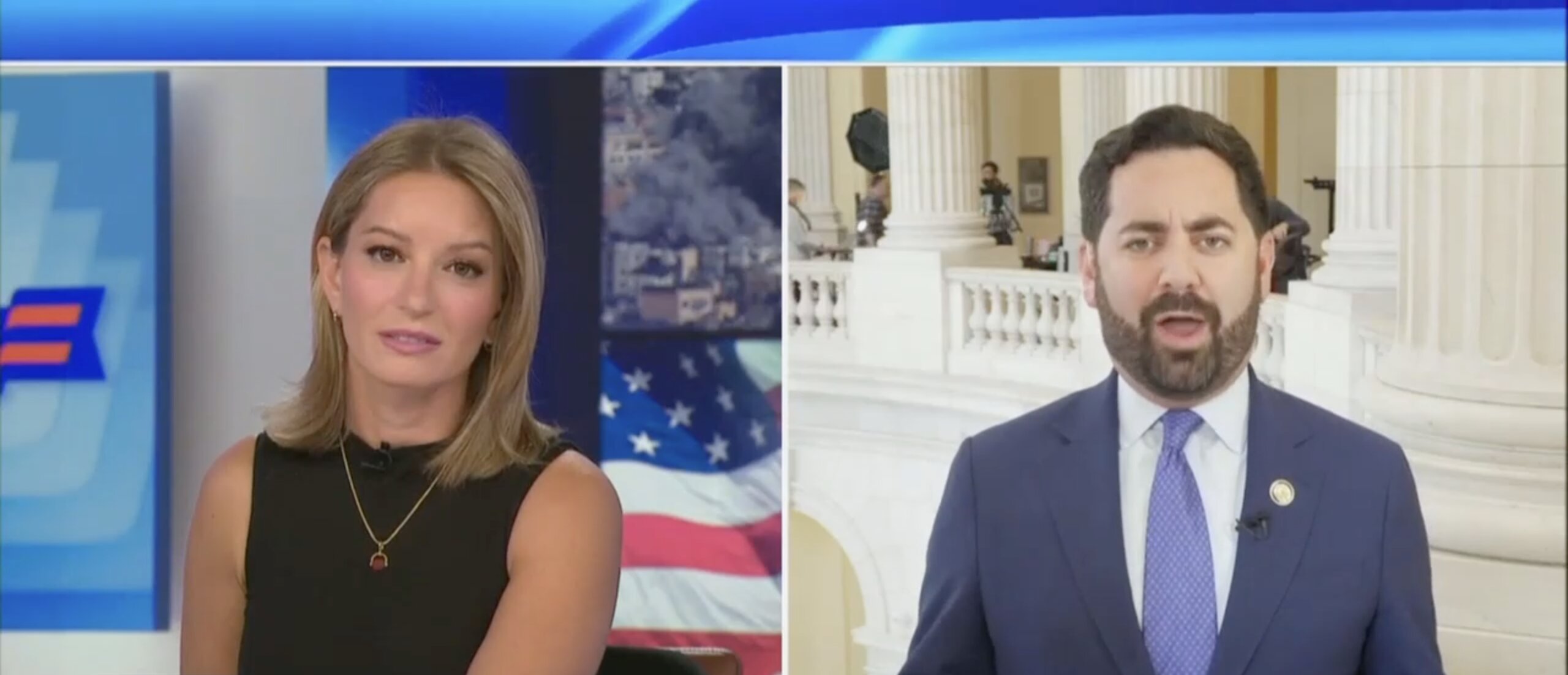
On Tuesday, a protracted and at times contentious exchange unfolded between Republican Representative Mike Lawler of New York and MSNBC anchor Katy Tur during an interview on her program, "MSNBC Reports." The central focus of their discussion was the foreign policy approach of former President Donald Trump concerning Iran, specifically addressing allegations of a "war in Iran" under his administration. The debate, which began approximately two minutes into the segment, quickly delved into the complexities of U.S.-Iran relations and the historical context of military actions and sanctions.
The interview saw Tur challenging Lawler on the characterization of Trump's actions, particularly regarding the killing of Iranian General Qasem Soleimani and the subsequent withdrawal from the Iran nuclear deal. Lawler, in turn, defended the Trump administration's posture as one of strength and deterrence, aiming to counter Iranian aggression without initiating a full-scale war. This televised exchange highlights the ongoing partisan divisions and differing interpretations of past U.S. foreign policy decisions, especially as the nation approaches another presidential election cycle.
Key Facts
The interview on MSNBC featured Rep. Mike Lawler (R-NY) and anchor Katy Tur. The discussion centered on former President Donald Trump's policy towards Iran. Tur initially referenced Iran's control over the Strait of Hormuz and its support for proxies in the Middle East, leading to a direct question about Trump's alleged "war in Iran."
Lawler explicitly denied that Trump initiated a war in Iran, characterizing his actions as a response to Iranian aggression and a re-establishment of deterrence. He cited the killing of Qasem Soleimani as a targeted action against a terrorist, not an act of war, and highlighted the lack of further U.S. casualties in the region under Trump's tenure. The debate also touched upon the 2015 Iran nuclear deal (JCPOA) and Trump's subsequent withdrawal, with Lawler arguing that the deal failed to prevent Iran from developing nuclear capabilities and funding terrorism.
Why This Matters
This televised debate is significant because it underscores the deep ideological chasm in American foreign policy discourse, particularly concerning the Middle East and Iran. The characterization of past presidential actions, whether as acts of war or strategic deterrence, has profound implications for how future administrations might approach similar geopolitical challenges. For the public, understanding these differing perspectives is crucial for evaluating candidates' foreign policy platforms and the potential consequences of their decisions on international stability and national security.
Moreover, the discussion directly impacts the ongoing debate about the efficacy of diplomatic agreements versus military pressure in managing rogue states. The Iran nuclear deal, a cornerstone of the Obama administration's foreign policy, remains a contentious issue, with its proponents arguing for its role in preventing nuclear proliferation and its critics citing its perceived failures. The outcome of this debate directly influences how the U.S. positions itself on global stage, affecting alliances, trade relations, and the safety of American personnel abroad.
Finally, the exchange reflects the broader political landscape where historical events are frequently reinterpreted through partisan lenses, especially in an election year. The narrative surrounding Trump's Iran policy can sway public opinion, influence voting behavior, and shape the national conversation on defense and diplomacy. This makes the accuracy and neutrality of such discussions paramount for an informed electorate.
Full Report
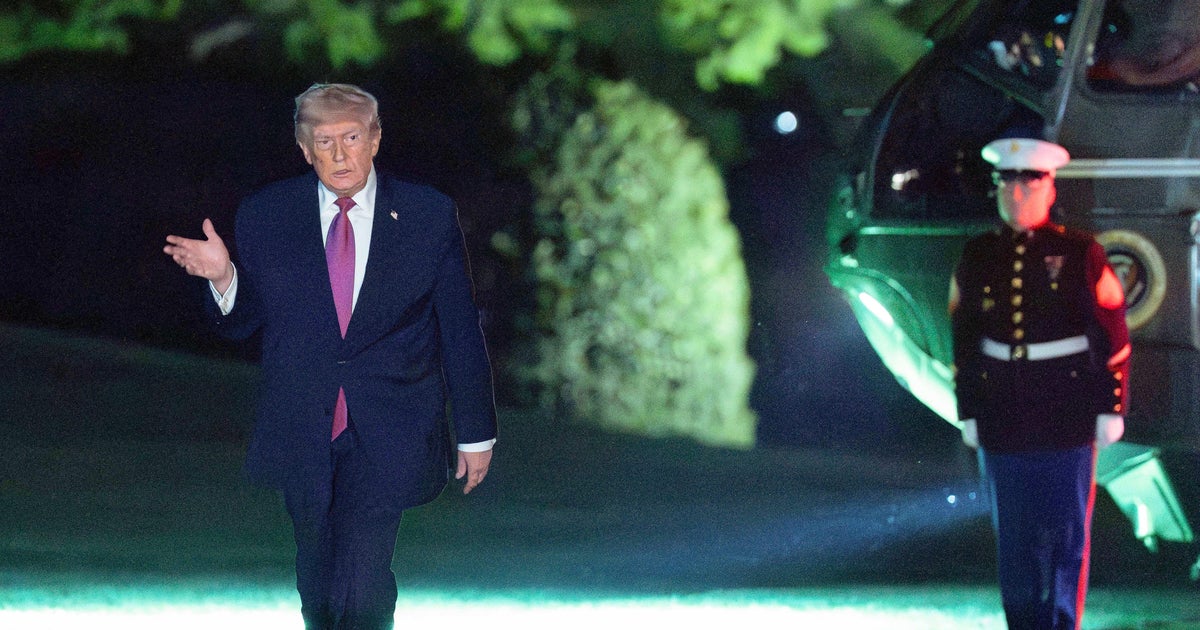
The interview commenced with Katy Tur posing a question to Representative Mike Lawler regarding the Trump administration's actions towards Iran. Tur began by noting Iran's strategic control over the Strait of Hormuz and its extensive support for proxy groups across the Middle East, setting the stage for her direct inquiry about former President Trump's alleged "war in Iran." Lawler immediately pushed back against this characterization, asserting that Trump did not engage in a war with Iran but rather took decisive action to re-establish deterrence and respond to Iranian aggression.
Lawler specifically referenced the killing of Iranian General Qasem Soleimani, head of the Quds Force, in January 2020. He described Soleimani as a terrorist responsible for the deaths of American service members and argued that his elimination was a targeted strike against a dangerous individual, not an act of war against the nation of Iran. Lawler emphasized that following this action, there were no further American casualties in the region under Trump's presidency, which he presented as evidence of successful deterrence. He contrasted this with the perceived lack of effective action by previous administrations, which he suggested allowed Iran to operate with impunity.
The discussion also veered into the Joint Comprehensive Plan of Action (JCPOA), commonly known as the Iran nuclear deal, from which the Trump administration withdrew in 2018. Lawler criticized the deal, stating that it failed to prevent Iran from developing nuclear capabilities and continued to allow them to fund terrorist activities. He contended that the deal provided Iran with significant financial resources that were then used to destabilize the region. Tur challenged Lawler on the specifics of the deal, particularly regarding the sunset clauses and inspection protocols, but Lawler maintained that the deal was fundamentally flawed and did not serve U.S. interests.
Throughout the interview, both Tur and Lawler maintained their respective positions, with Tur pressing for clarification on the definition of "war" and the implications of Trump's actions, and Lawler steadfastly defending the former president's approach as a necessary and effective measure to counter Iranian threats. The exchange highlighted the deep-seated disagreements within American political discourse regarding the most effective strategies for dealing with complex international adversaries and the interpretation of historical events in foreign policy.
Context & Background
U.S.-Iran relations have been fraught with tension for decades, particularly since the 1979 Iranian Revolution and the subsequent hostage crisis. The two nations have lacked formal diplomatic ties, and their interactions have often been characterized by proxy conflicts, economic sanctions, and military posturing. The period leading up to the Trump administration saw the negotiation of the Joint Comprehensive Plan of Action (JCPOA) in 2015, a multilateral agreement aimed at limiting Iran's nuclear program in exchange for sanctions relief.
Former President Donald Trump, upon taking office, was a vocal critic of the JCPOA, arguing that it was a weak deal that did not adequately address Iran's ballistic missile program or its support for regional militant groups. In May 2018, Trump withdrew the U.S. from the agreement and reimposed stringent sanctions on Iran, initiating a policy of "maximum pressure." This period saw an escalation of tensions, including attacks on oil tankers in the Persian Gulf, drone incidents, and the aforementioned U.S. drone strike that killed Qasem Soleimani in January 2020, which brought the two countries to the brink of direct conflict.
What to Watch Next
As the United States approaches the next presidential election, the future of U.S. policy towards Iran will remain a critical foreign policy issue. Voters should monitor how presidential candidates articulate their strategies for managing Iran's nuclear ambitions, its regional influence, and its human rights record. Specific attention should be paid to whether candidates propose a return to the JCPOA, the development of a new diplomatic framework, or a continuation of pressure tactics.
Furthermore, developments in the broader Middle East, including ongoing conflicts and regional alliances, will inevitably influence U.S.-Iran dynamics. Any shifts in Iran's nuclear program, its engagement with international inspectors, or its support for proxy groups will warrant close observation. The actions of international bodies like the International Atomic Energy Agency (IAEA) and the United Nations Security Council will also be crucial indicators of the evolving situation.
Source Attribution
This report draws on coverage from Mediaite.
Found this story useful? Share it:
Sources (1)
Mediaite
"Mike Lawler and MS NOW’s Katy Tur Throw Down in Marathon Slugfest Over Trump’s War in Iran"
April 21, 2026