Defense Secretary Hegseth Makes Annual Flu Vaccine Optional for U.S. Military Personnel
Compiled from 2 Sources
This report draws on coverage from ABC News, USA Today and presents a structured, balanced account that notes where outlets differ in their reporting.
Key Points
- Defense Secretary Pete Hegseth has made the annual flu vaccine optional for all U.S. military personnel.
- The policy change applies to both active duty and reserve forces, overturning a previous mandatory requirement.
- Hegseth announced the decision in a video posted to X on April 21, calling the prior policy "absurd" (USA Today).
- The move signifies a departure from long-standing military health protocols regarding mandatory immunizations.
- This decision could impact military readiness and public health within the armed forces by altering collective immunity.
- The change reflects broader societal debates on vaccine mandates and individual liberties within the military context.
Introduction
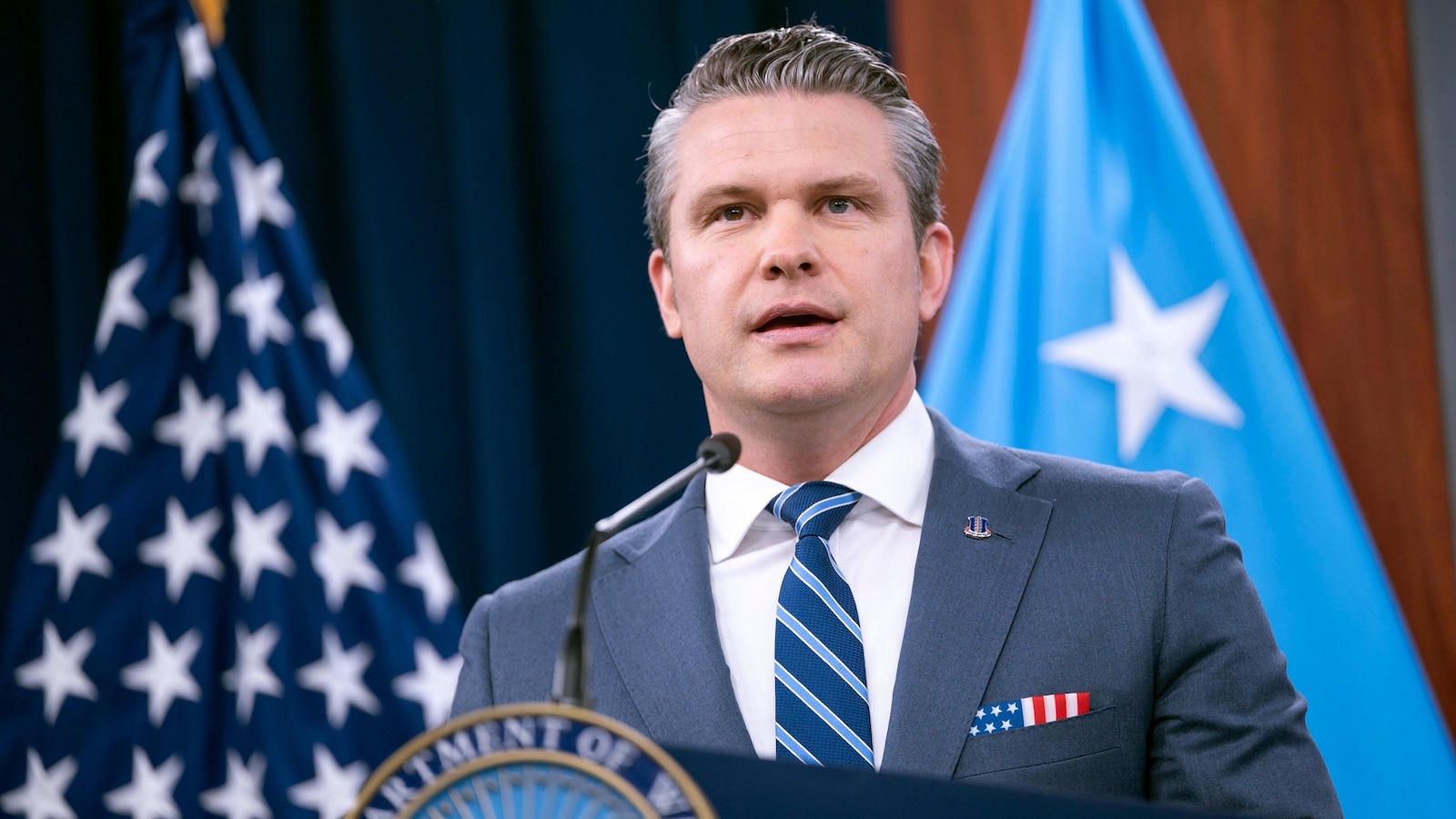
Defense Secretary Pete Hegseth announced a significant policy change on Tuesday, making the annual flu vaccine optional for all U.S. military personnel, encompassing both active and reserve forces. This decision marks a departure from a long-standing requirement, impacting service members across all branches. The announcement was made public through a video posted on X (formerly Twitter) on April 21, according to USA Today, where Hegseth characterized the previous mandatory policy as "absurd."
This policy shift comes amidst ongoing discussions regarding military health protocols and individual liberties within the armed forces. The move effectively ends a mandate that had been a routine part of military health directives for an unspecified period. The implications of this change are expected to resonate through military health services and personnel management, as service members now have the discretion to choose whether or not to receive the influenza vaccination.
Key Facts
Defense Secretary Pete Hegseth declared on Tuesday that the annual flu vaccine is now optional for all U.S. military personnel, including both active duty and reserve members, as reported by ABC News. This decision overturns a previous policy where the flu vaccine had been mandatory for service members. USA Today further specified that Hegseth announced this policy revocation in a video posted to X on April 21, describing the prior mandatory vaccination policy as "absurd."
Both sources confirm that the change applies universally to the U.S. military. ABC News highlighted that previously, the flu vaccine had been a required immunization. USA Today's report underscored the immediate nature of the policy change, communicated directly by the Pentagon chief himself through a public social media platform.
Why This Matters
This policy change carries substantial implications for military readiness, public health, and individual autonomy within the armed forces. Making the flu vaccine optional could potentially alter the rates of influenza infection within military populations, which operate in close quarters and often deploy to diverse global environments. A widespread outbreak of influenza could compromise operational effectiveness, impacting troop availability and mission execution, thereby affecting national security interests.
From a public health perspective, the decision introduces a new variable into the epidemiology of infectious diseases within a large, mobile population. While individual choice is enhanced, the collective immunity of military units could be affected, potentially leading to increased healthcare burdens and lost duty days. This shift also reflects broader societal debates concerning vaccine mandates and personal freedom, bringing these discussions directly into the military context.
Furthermore, the move could set a precedent or influence future policy considerations regarding other mandatory vaccinations for service members. It signals a potential re-evaluation of the balance between maintaining military health standards and accommodating individual preferences, a dynamic that is crucial for recruitment, retention, and overall morale. The decision's long-term effects on military health outcomes and operational capacity will be closely monitored by health officials and defense strategists alike.
Full Report
Defense Secretary Pete Hegseth formally announced on Tuesday that the annual flu vaccine would no longer be compulsory for U.S. military personnel, a policy shift reported by both ABC News and USA Today. This directive applies to all service members, encompassing both active duty and reserve components. ABC News noted that the flu vaccine had previously been a mandatory immunization for military personnel, a requirement that has now been rescinded.
USA Today provided additional detail regarding the announcement's timing and framing, stating that Hegseth communicated the change in a video posted to X on April 21. In this video, Hegseth reportedly characterized the former mandatory flu vaccine policy as "absurd." This specific phrasing, attributed to USA Today's coverage, highlights a strong rhetorical stance against the previous requirement from the Pentagon chief himself, suggesting a deliberate and perhaps critical re-evaluation of the policy.
The decision to make the vaccine optional represents a significant departure from established military health protocols. While ABC News focused on the core fact of the policy change and its scope, USA Today elaborated on the manner of the announcement and the Secretary's direct commentary. Neither source detailed the specific reasons or internal deliberations that led to Hegseth's decision, beyond his public characterization of the prior policy.
The impact of this change is expected to be felt across the military health system and among individual service members. The shift from a mandatory to an optional vaccine status grants greater individual discretion but also places more responsibility on service members for their own health decisions regarding influenza. The sources did not provide information on potential new guidelines or recommendations that might accompany this optional status, nor did they detail any projected effects on military readiness or public health within the forces.
Context & Background
The U.S. military has historically maintained a rigorous vaccination schedule for its service members, aimed at protecting troops from a wide array of infectious diseases that could compromise readiness and operational effectiveness, particularly in diverse global environments. These mandates are rooted in public health principles designed to prevent outbreaks within close-quartered military populations, such as barracks, ships, and deployed units.
The mandatory flu vaccine policy, which ABC News states had been in place for some time, was part of this broader strategy to mitigate the impact of seasonal influenza. Influenza can cause significant illness, leading to lost duty days, increased medical resource utilization, and potential complications that could sideline personnel. The policy was intended to ensure a high level of immunity across the force, thereby reducing the risk of widespread illness that could impair military operations.
However, in recent years, there has been increasing public debate and scrutiny regarding vaccine mandates, particularly in the context of individual liberties and personal health choices. This broader societal discussion has, at times, extended to military personnel, with some advocating for greater autonomy in health decisions. Secretary Hegseth's decision to make the flu vaccine optional can be seen within this larger context of re-evaluating the balance between collective health requirements and individual rights within the armed forces.
What to Watch Next
Following Defense Secretary Hegseth's announcement, several key developments will warrant close observation. Military health authorities, including the Defense Health Agency, are expected to issue updated guidance and protocols regarding influenza prevention for service members. This guidance will likely clarify how the optional status will be managed, including any recommendations for vaccination and access to the vaccine for those who choose to receive it.
Further, military leaders and public health experts will be monitoring influenza rates within the U.S. military during the upcoming flu seasons. Data on infection rates, hospitalizations, and lost duty days will be crucial in assessing the impact of this policy change on military readiness and the health of the force. Any significant shifts in these metrics could prompt further review or adjustments to the policy.
Finally, the decision may also influence discussions around other mandatory vaccinations within the military. Observers will be watching for any indications of similar policy reviews for other vaccines, which could signal a broader shift in the Pentagon's approach to mandatory health interventions for service members. Congressional oversight committees may also seek briefings or reports on the rationale and projected effects of this policy change.
Source Attribution
This report draws on coverage from ABC News and USA Today.
Found this story useful? Share it:
Sources (2)
ABC News
"Hegseth ends mandatory flu vaccine for US military, says shot is now optional"
April 21, 2026
USA Today
"Pentagon revokes mandatory flu vaccine policy, calling it 'absurd'"
April 21, 2026