DPD Urges Government to Develop Comprehensive Roadmap for Papua Conflict Resolution
Structured Editorial Report
This report is based on coverage from Antaranews.com and has been structured for clarity, context, and depth.
Key Points
- The Regional Representatives Council (DPD) has formally urged the Indonesian government to create a comprehensive roadmap for resolving the Papua conflict.
- The DPD emphasizes that this roadmap must be founded on principles of dialogue, humanism, and social justice, moving beyond security-centric methods.
- This initiative signals a potential shift in government strategy towards a more holistic and inclusive approach to peace in Papua.
- The proposed roadmap aims to address root causes of unrest, including economic disparities, human rights concerns, and historical grievances.
- Implementation will require engagement with Papuan communities and a re-evaluation of current security and development policies.
- Future developments will include monitoring government response, stakeholder consultations, and legislative actions related to the roadmap.
Introduction
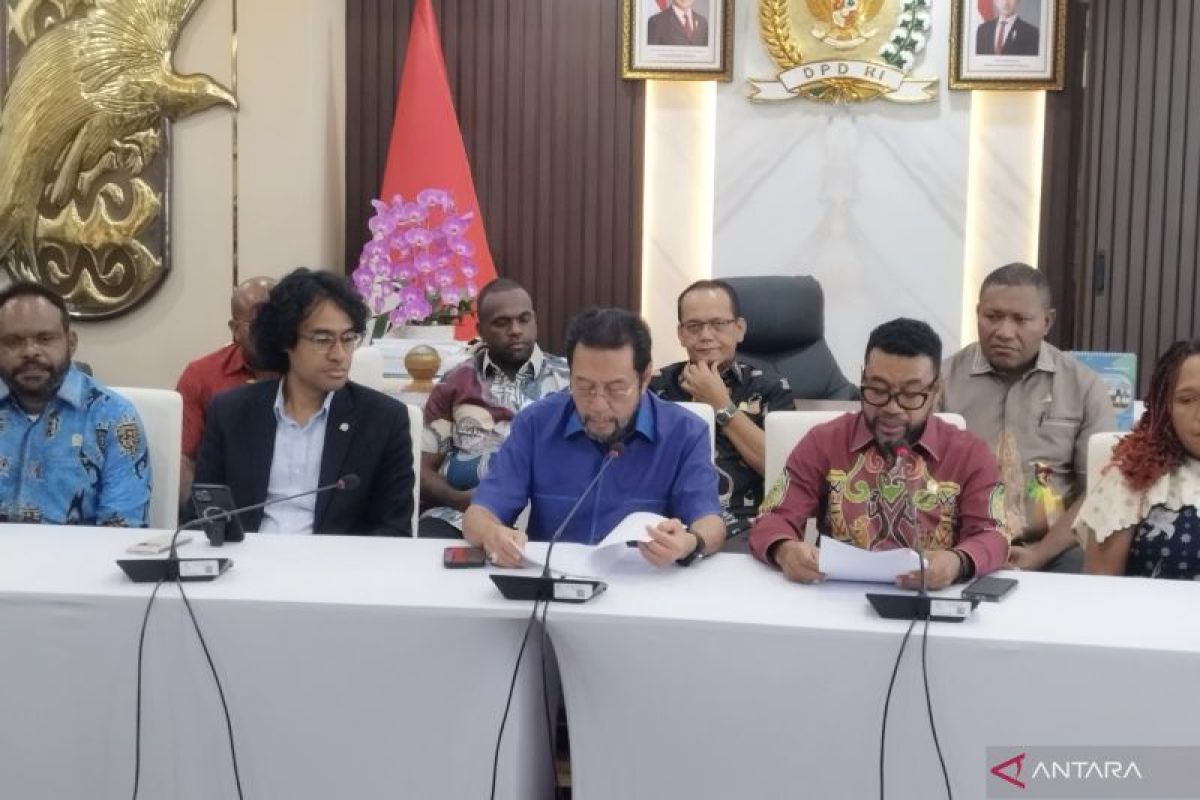
The Regional Representatives Council (DPD) has issued a significant call to the Indonesian government, urging the development of a comprehensive roadmap aimed at resolving the persistent conflict in Papua. This initiative emphasizes a shift towards strategies deeply rooted in dialogue, humanism, and social justice, moving beyond purely security-centric approaches. The DPD's recommendation underscores a growing recognition within national legislative bodies of the need for a more nuanced and holistic approach to address the complex socio-political issues plaguing the region.
This advocacy from a key legislative body highlights the urgency of finding sustainable peace in Papua, a region that has long experienced cycles of violence and underdevelopment. The proposed roadmap is envisioned as a multi-faceted plan that integrates various governmental and societal elements to foster long-term stability and address the root causes of unrest. It reflects a strategic pivot towards reconciliation and community-led solutions, signaling a potential new direction in the government's engagement with Papua.
Key Facts
The DPD's primary recommendation is the creation of a detailed roadmap for conflict resolution in Papua, stressing that current security-focused methods are insufficient. This roadmap must explicitly incorporate principles of dialogue, humanism, and social justice as its foundational pillars. The council believes that these elements are crucial for fostering genuine peace and addressing the underlying grievances of the Papuan people.
The DPD's statement indicates a legislative consensus that a purely military or law enforcement approach has not yielded desired results and may, in fact, exacerbate tensions. The emphasis on humanism suggests a focus on protecting human rights and ensuring the welfare of local populations, while social justice aims to address economic disparities and historical injustices. Dialogue is positioned as the essential mechanism for engaging all stakeholders, including local communities and traditional leaders, in the peace process.
Why This Matters
This DPD initiative carries substantial weight because it signals a potential paradigm shift in how the Indonesian government approaches the long-standing and deeply entrenched issues in Papua. For decades, the region has been characterized by a complex interplay of separatist movements, human rights concerns, and economic disparities, often met with security-centric responses. A legislative body advocating for a 'roadmap' rooted in dialogue, humanism, and social justice suggests a recognition that these traditional approaches have not yielded sustainable peace and may have inadvertently fueled resentment.
The implications for the Papuan people are profound. A genuine commitment to dialogue could open avenues for their voices to be heard, addressing grievances that range from land rights and cultural preservation to economic marginalization and alleged human rights abuses. The focus on humanism could lead to a reduction in security operations that have often resulted in civilian casualties and displacement, fostering an environment where trust can slowly be rebuilt. Furthermore, social justice initiatives could translate into more equitable distribution of resources, improved public services, and opportunities for local economic empowerment, directly impacting the daily lives and future prospects of Papuan communities.
Beyond Papua, this DPD call could influence Indonesia's international standing and its commitment to human rights. A more peaceful and just resolution in Papua would enhance Indonesia's reputation on the global stage, demonstrating its capacity to resolve internal conflicts through democratic and humane means. Conversely, a failure to adopt such a comprehensive, dialogue-based approach could perpetuate instability, continue to draw international scrutiny, and hinder the region's vast potential for development. Therefore, this recommendation is not merely a policy suggestion but a critical juncture for both the future of Papua and Indonesia's national identity.
Full Report
The Regional Representatives Council (DPD) has formally urged the Indonesian government to move beyond its current security-oriented strategies in Papua and instead formulate a comprehensive roadmap for conflict resolution. This new approach, as advocated by the DPD, must be fundamentally anchored in principles of dialogue, humanism, and social justice. The council's statement emphasizes that these three pillars are indispensable for achieving lasting peace and addressing the multifaceted challenges prevalent in the Papuan provinces.
The DPD's position reflects a growing consensus among certain legislative factions that the protracted conflict in Papua requires a more nuanced and empathetic response. The current reliance on military and police operations, while intended to maintain order, has often been criticized for failing to address the root causes of unrest and for sometimes exacerbating tensions within local communities. By prioritizing dialogue, the DPD aims to facilitate meaningful engagement with all stakeholders, including indigenous leaders, religious figures, and civil society organizations, ensuring that local perspectives are central to any resolution efforts.
The inclusion of humanism in the proposed roadmap underscores a commitment to protecting the rights and dignity of all individuals in Papua. This would involve a re-evaluation of security protocols to minimize civilian impact, ensure accountability for any human rights violations, and prioritize the welfare of the Papuan population. Social justice, as another core tenet, seeks to rectify historical grievances and economic disparities that have contributed to widespread discontent. This could entail initiatives focused on equitable resource distribution, improved access to education and healthcare, and the empowerment of local economies.
This legislative push by the DPD signifies a critical moment for re-evaluating national policy towards Papua. It suggests a recognition that a sustainable peace cannot be imposed but must be cultivated through inclusive processes that acknowledge the unique cultural, historical, and social context of the region. The proposed roadmap is expected to outline concrete steps, timelines, and responsibilities for various government agencies to ensure a coordinated and effective implementation of these principles, ultimately aiming to transform the conflict dynamic into one of reconciliation and development.
Context & Background
The conflict in Papua is one of Indonesia's most enduring and complex internal challenges, rooted in its integration into Indonesia in the 1960s and subsequent grievances over political representation, economic exploitation, and human rights. For decades, the region has seen sporadic armed insurgencies by separatist groups, met by significant military and police deployments from Jakarta. This has led to a cycle of violence, displacement, and accusations of human rights abuses from both sides.
Government approaches to Papua have historically oscillated between security crackdowns and development initiatives, often without achieving sustained peace or addressing deep-seated local concerns. Special Autonomy status was granted to Papua in 2001, intended to provide greater self-governance and a larger share of resource revenues, but its implementation has been widely criticized for not fully empowering Papuans or significantly improving their welfare. This backdrop of unfulfilled promises and persistent conflict forms the critical context for the DPD's current recommendation.
The current call for a roadmap emphasizing dialogue, humanism, and social justice can be seen as a response to the perceived failures of past policies and a recognition that a purely securitized approach is unsustainable. It acknowledges that the conflict is not merely a security issue but has profound social, economic, and political dimensions that require a more integrated and empathetic solution. This legislative push reflects an evolving understanding within parts of the Indonesian government regarding the necessity of a more comprehensive and inclusive strategy for Papua.
What to Watch Next
Following the DPD's formal urging, attention will now turn to the executive branch and relevant ministries to see how they respond to this call for a comprehensive roadmap. Key developments to monitor include any official statements or policy directives from the President's office or the Coordinating Ministry for Political, Legal, and Security Affairs regarding the establishment of such a framework. The formation of inter-ministerial task forces or expert panels dedicated to drafting the roadmap would be a significant indicator of governmental commitment.
Furthermore, it will be crucial to observe the engagement of various stakeholders in the coming months. This includes whether the government initiates broad consultations with Papuan community leaders, religious figures, academics, and civil society organizations to ensure the roadmap is genuinely inclusive and reflective of local needs. Any legislative actions, such as parliamentary hearings or budget allocations specifically for peace-building initiatives in Papua, would also signal progress. The practical implementation of dialogue mechanisms and initial human rights or social justice programs will be critical benchmarks for assessing the seriousness of this new approach.
Source Attribution
This report draws on coverage from Antaranews.com.
Found this story useful? Share it:
Sources (1)
Antaranews.com
"DPD urges government to draft roadmap to end Papua conflict"
April 21, 2026