Fragile Ceasefire Holds Amid US-Iran Tensions; Oil Market Recovery Uncertain
Compiled from 2 Sources
This report draws on coverage from Associated Press, Bloomberg Markets and presents a structured, balanced account that notes where outlets differ in their reporting.
Key Points
- A fragile ceasefire is holding after U.S. strikes on two Iranian oil tankers, as reported by Associated Press.
- The U.S. awaits Iran's response to a proposal to end ten weeks of conflict, according to Bloomberg Markets.
- Aramco warns that oil market recovery could take months, even with immediate Strait of Hormuz reopening (Bloomberg Markets).
- Bahrain, host to the U.S. Navy's regional headquarters, has detained dozens of individuals (Associated Press).
- The situation highlights the delicate balance of power and economic vulnerabilities in the Middle East.
- Global energy consumers and international shipping industries face significant economic consequences from the tensions.
- Iran's response to the U.S. proposal and oil market reactions are key indicators for future developments.
Introduction
A fragile ceasefire appears to be holding in the Middle East following recent United States military actions, as the international community awaits Iran's official response to a US proposal aimed at de-escalating ten weeks of conflict. The situation is further complicated by warnings from the world's largest oil company, Aramco, indicating that a return to normal market conditions could take months, even if the critical Strait of Hormuz were to reopen immediately. This period of heightened tension and diplomatic anticipation underscores the delicate balance of power and economic vulnerabilities in the region, particularly concerning global energy supplies.
The United States struck two Iranian oil tankers, an action that preceded the current, tenuous calm. The broader context involves the country hosting the U.S. Navy's regional headquarters, Bahrain, reportedly detaining dozens of individuals, though the specific connection to the recent US strikes or the broader conflict is not explicitly detailed in all reports. The immediate focus remains on the diplomatic efforts to resolve the protracted conflict and the potential for further escalation, alongside the significant economic ramifications for the global oil market.
Key Facts
A tenuous ceasefire was observed to be holding on Saturday, following the United States' strikes on two Iranian oil tankers, as reported by the Associated Press. The U.S. is currently awaiting Iran's response to a proposal designed to conclude ten weeks of conflict, a detail emphasized by Bloomberg Markets. Bloomberg Markets also reported that Aramco, identified as the world's largest oil company, issued a warning that it would take several months for the global oil market to stabilize, even under the immediate reopening of the Strait of Hormuz. The Associated Press further noted that Bahrain, the nation hosting the U.S. Navy's regional headquarters, has detained dozens of individuals in connection with the unfolding situation.
Where Sources Differ
Our analysis of how different outlets reported this story
- Associated Press frames the immediate aftermath of US military action by focusing on the holding ceasefire and domestic actions within Bahrain, while Bloomberg Markets emphasizes the ongoing diplomatic wait for Iran's response and the economic ramifications for the oil market, which matters because AP highlights the direct regional impact and security posture, whereas Bloomberg prioritizes the broader economic and diplomatic dimensions of the conflict.
- Associated Press details the specific target of US strikes as "two Iranian oil tankers," providing a concrete, verifiable military action, while Bloomberg Markets refers more generally to a "US proposal to end 10 weeks of war" without specifying the recent US military actions, which matters because AP provides a direct cause for the current ceasefire, linking it to a specific military event, while Bloomberg focuses on the diplomatic process, potentially understating the recent kinetic activity.
Why This Matters
This ongoing geopolitical tension directly affects several key stakeholders: global energy consumers, international shipping industries, and the populations of countries in the Middle East. Global energy consumers face the concrete consequence of potential oil price volatility and supply disruptions, as Aramco's warning of a months-long recovery period for the oil market, even with the Strait of Hormuz reopening, indicates sustained economic pressure. This measurable impact translates into higher fuel costs for transportation and increased operational expenses for industries reliant on oil, potentially slowing global economic growth.
The international shipping industry is directly affected by the instability in critical maritime choke points like the Strait of Hormuz. Increased insurance premiums, rerouting of vessels, and delays in cargo delivery are concrete consequences, leading to higher operational costs and potential supply chain disruptions for various goods. For the populations in the Middle East, particularly in countries like Bahrain where dozens have been detained according to the Associated Press, the situation heightens political instability and could lead to further civil unrest or human rights concerns, impacting their daily lives and security.
The precedent set by the US strikes and the protracted diplomatic standoff is significant. It demonstrates the fragility of regional stability and the potential for military actions to quickly escalate, even as diplomatic channels are pursued. This scenario changes the landscape by reinforcing the perception of the Middle East as a high-risk zone for international commerce and potentially encouraging nations to reconsider their reliance on the region for energy supplies, thereby accelerating shifts towards alternative energy sources or diversified supply chains. The sustained uncertainty also sets a precedent for prolonged economic recovery periods in critical sectors following geopolitical disruptions, even after military actions cease.
Full Report
A tenuous ceasefire was reported to be holding on Saturday in the Middle East, following recent military actions by the United States. According to the Associated Press, the U.S. had struck two Iranian oil tankers, an event that appears to have preceded the current period of calm. This development occurs as the United States continues to await an official response from Iran regarding a proposal aimed at bringing an end to ten weeks of ongoing conflict, a detail highlighted by Bloomberg Markets.
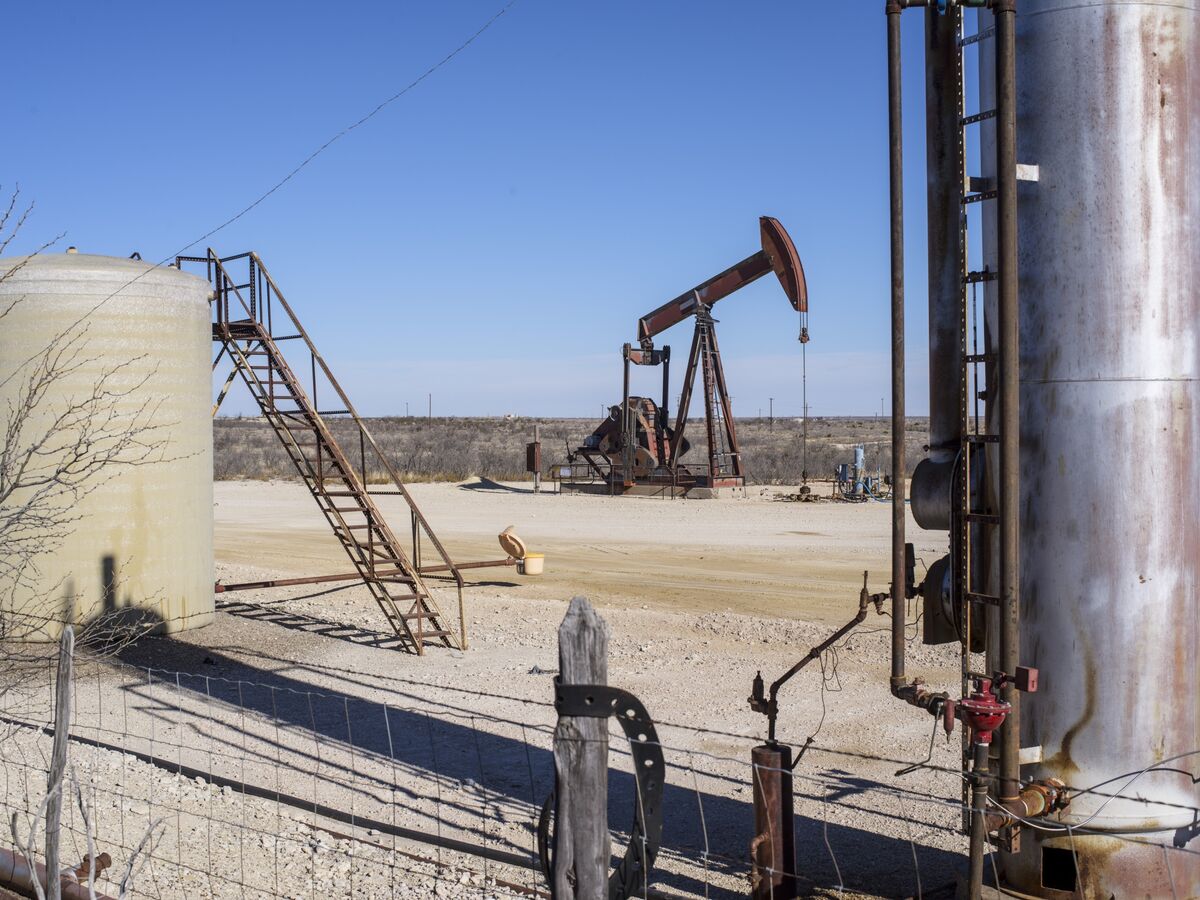
Bloomberg Markets further reported significant economic implications stemming from the protracted tensions. Aramco, identified as the world's largest oil company, issued a cautionary statement, indicating that it would require several months for the global oil market to return to normal functioning, even under the optimistic scenario of an immediate reopening of the Strait of Hormuz. This warning underscores the deep-seated impact that the current geopolitical climate is having on international energy markets and the broader global economy.
Adding to the regional complexities, the Associated Press noted that Bahrain, the nation that serves as host to the U.S. Navy's regional headquarters, has reportedly detained dozens of individuals. While the specific reasons for these detentions and their direct link to the recent U.S. strikes or the broader U.S.-Iran tensions were not extensively detailed, this information points to an atmosphere of heightened security and potential internal pressures within allied nations in the region. The convergence of military actions, diplomatic stalemates, and economic warnings paints a picture of a highly volatile and interconnected situation.
The diplomatic efforts to resolve the conflict are central to the current narrative. The U.S. proposal, as mentioned by Bloomberg Markets, represents an attempt to de-escalate the situation after an extended period of hostilities. The nature of Iran's response is keenly anticipated by international observers and policymakers, as it will likely dictate the next phase of engagement, whether it be further diplomatic overtures or a return to heightened tensions. The interplay between military deterrence, economic leverage, and diplomatic negotiation remains a critical aspect of the ongoing crisis.
Context & Background
The current fragile ceasefire and diplomatic standoff are the culmination of approximately ten weeks of escalating tensions and conflict between the United States and Iran. This period has been characterized by a series of incidents, including attacks on shipping in the Persian Gulf, drone incidents, and, most recently, the U.S. strikes on Iranian oil tankers as reported by the Associated Press. These events have consistently raised concerns about the security of critical maritime routes, particularly the Strait of Hormuz, through which a significant portion of the world's oil supply passes.
The broader situation is set against a backdrop of long-standing geopolitical rivalry and strategic competition in the Middle East. The U.S. maintains a substantial military presence in the region, including its naval headquarters in Bahrain, which underscores its commitment to regional security and the protection of international shipping lanes. Iran, on the other hand, views the presence of foreign military forces as a threat to its sovereignty and regional influence, often responding with actions perceived as destabilizing by the international community.
Economic factors, especially the global oil market, are intrinsically linked to the political and military dynamics. Disruptions in oil supply or threats to shipping in the Persian Gulf have immediate and far-reaching consequences for global energy prices and economic stability. The warnings from Aramco, as cited by Bloomberg Markets, reflect a deep understanding of how quickly such geopolitical events can translate into tangible economic challenges, affecting not just producers and traders but also consumers worldwide. This intricate web of security, diplomacy, and economics defines the current landscape.
What to Watch Next
Observers will closely monitor Iran's official response to the U.S. proposal to end the ten weeks of conflict, which is expected in the coming days. Any public statement or diplomatic action from Tehran will serve as a critical indicator of the immediate trajectory of the crisis. Additionally, the actions of the U.S. administration following Iran's response will be crucial, particularly regarding any potential for further military action or renewed diplomatic initiatives.
Economically, the market's reaction to any developments concerning the Strait of Hormuz will be a measurable signal. Watch for fluctuations in global oil prices, specifically Brent crude and West Texas Intermediate futures, as these will reflect market sentiment regarding supply security. Any official statements from Aramco or other major oil producers regarding their production levels or shipping routes will also provide concrete insights into the perceived stability of the oil market in the short to medium term. A sustained period of calm in the Strait of Hormuz, without further incidents, would be a key trigger event for assessing the potential for market recovery.
Source Attribution
This report draws on coverage from Associated Press and Bloomberg Markets.
Found this story useful? Share it:
Sources (2)
Associated Press
"A fragile ceasefire holds as US awaits Iran response, Bahrain detains dozens"
May 9, 2026
Bloomberg Markets
"US Awaits Iran Reply as Aramco Says Hormuz Opening No Quick Fix"
May 10, 2026