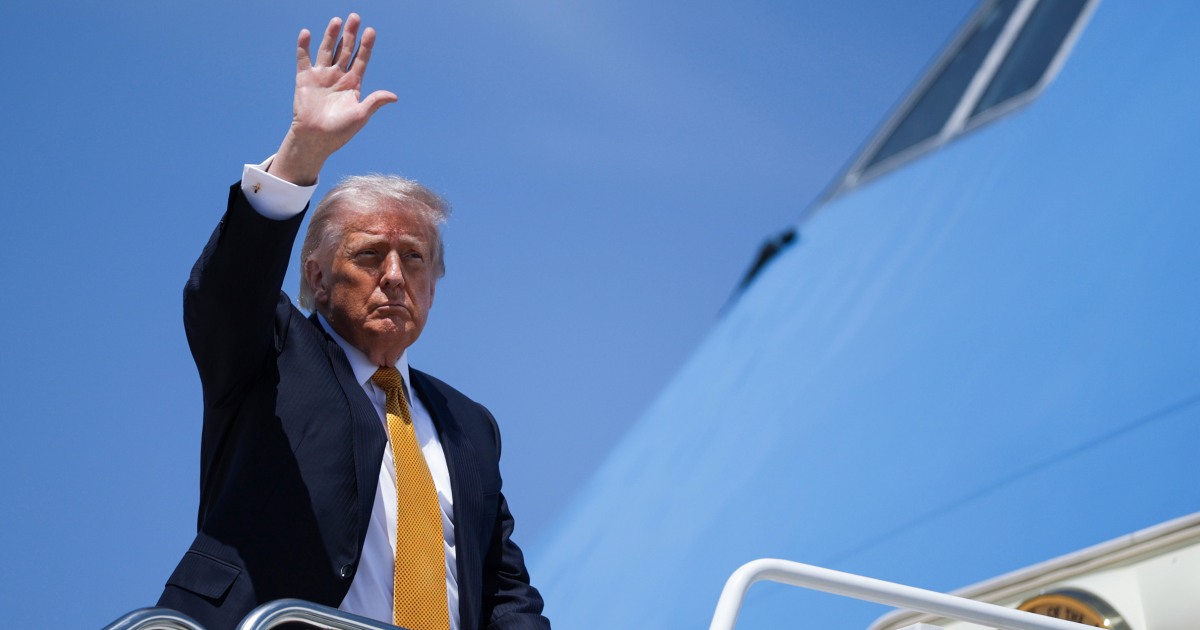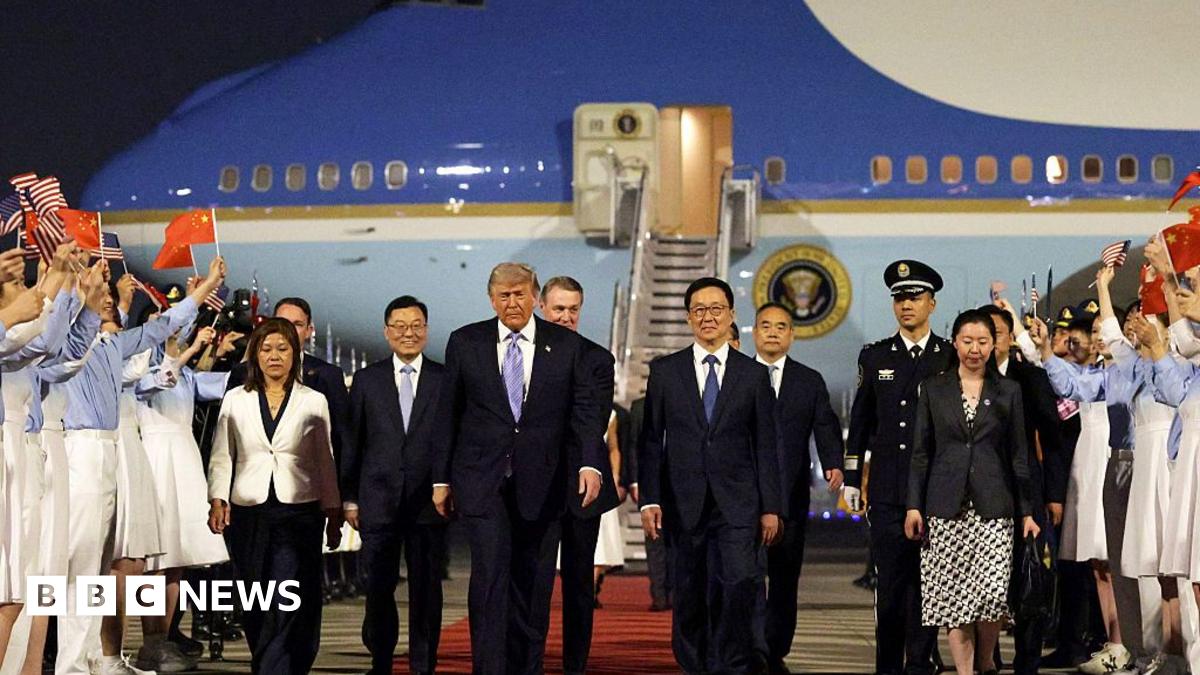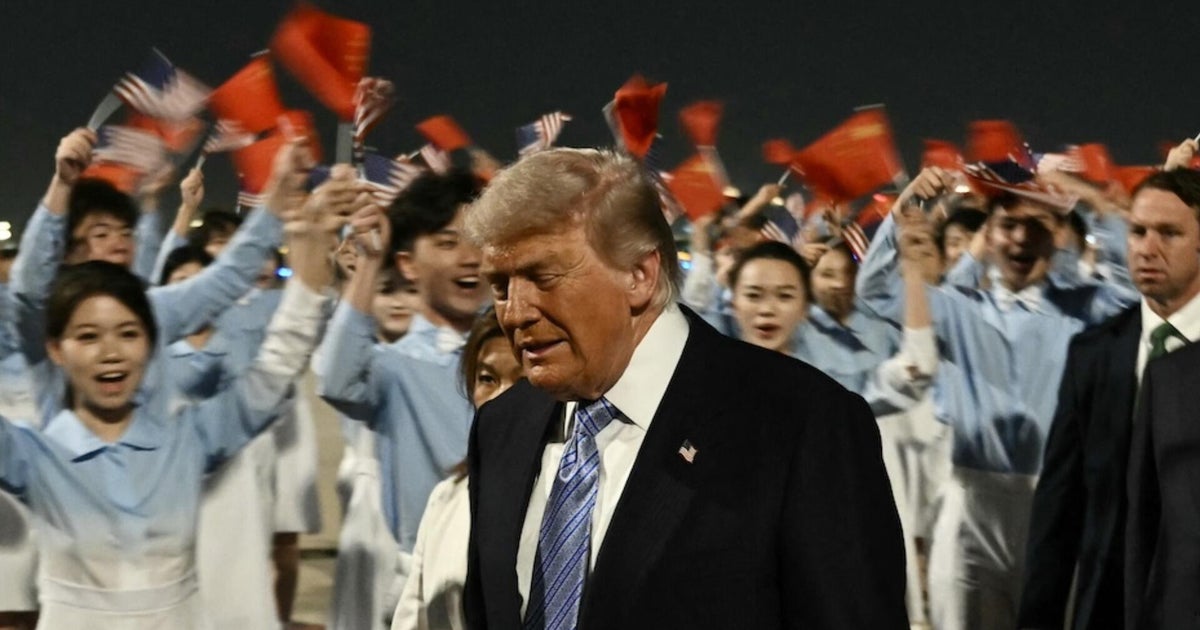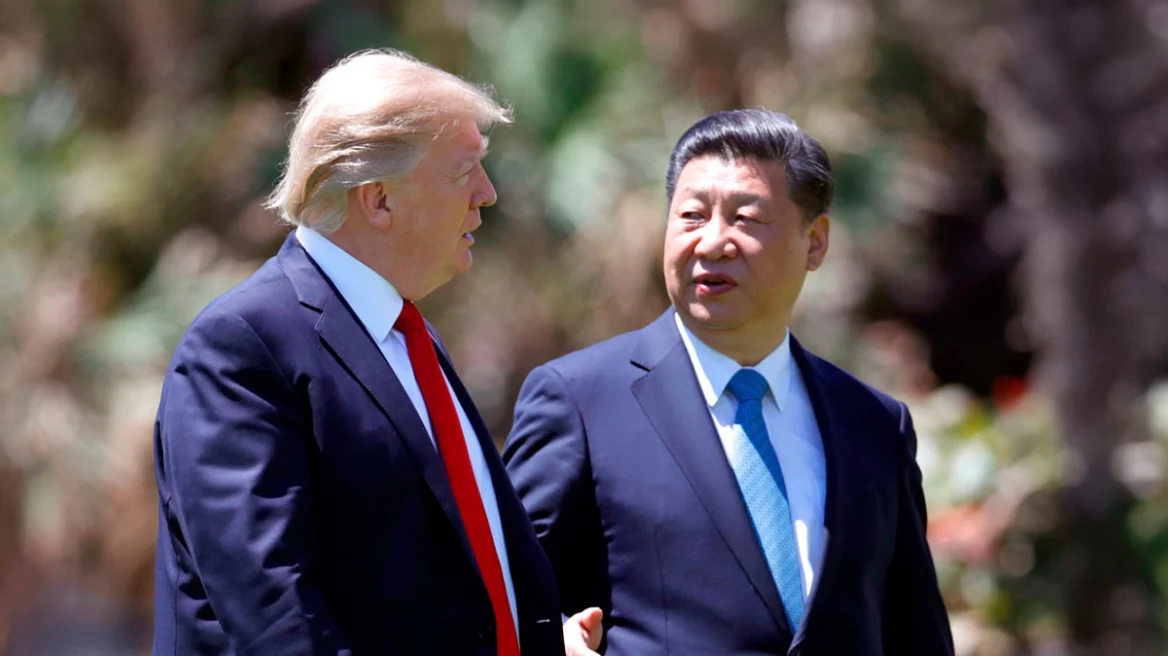
Trump-Xi Meeting Agenda Includes Iran, Trade, and Taiwan Concerns Amidst Strait of Hormuz Activity
Compiled from 3 Sources
This report draws on coverage from Protothema.gr, Bloomberg, Fox News and presents a structured, balanced account that notes where outlets differ in their reporting.
Key Points
- U.S. President Trump plans extensive talks with Chinese President Xi Jinping on Iran's situation and trade imbalances.
- A Chinese oil supertanker was observed exiting the Strait of Hormuz just before the Trump-Xi meeting, a rare occurrence.
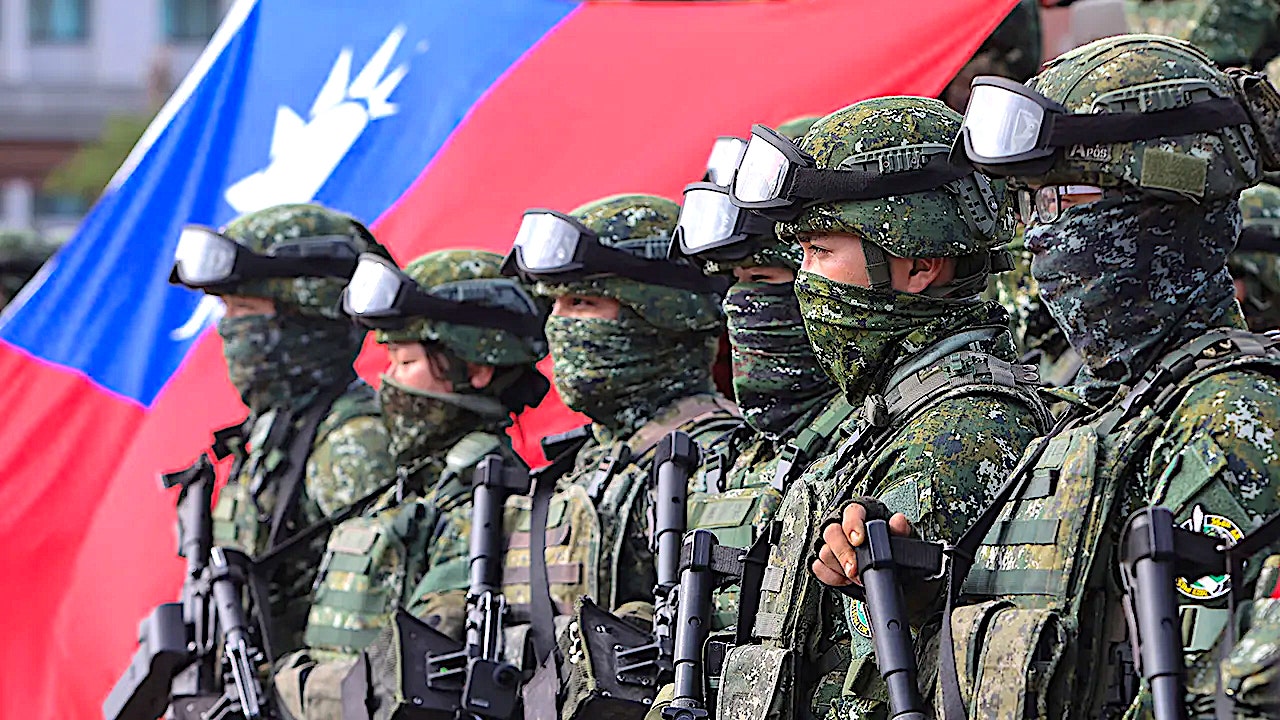
- Taiwan is closely monitoring the summit for signs of China testing U.S. resolve regarding the island's sovereignty.
- Protothema.gr highlighted China's desire to be seen as a "responsible player" concerning the Strait of Hormuz.
- The meeting's agenda includes discussions on the "war in Iran" and pressure on the White House, according to Protothema.gr.
- The Strait of Hormuz is a critical chokepoint for global oil transit, making its stability a key concern for energy markets.
- The U.S.-China trade dispute and Taiwan's security are long-standing issues forming the backdrop of the high-stakes summit.
Introduction
U.S. President Donald Trump and Chinese President Xi Jinping are slated for a significant meeting in Beijing, with a broad agenda encompassing critical geopolitical and economic issues. This high-stakes encounter comes amidst heightened tensions in the Persian Gulf and ongoing trade disputes, drawing global attention to the potential outcomes for international relations and regional stability. The discussions are expected to delve into the Iranian situation, trade imbalances, and the sensitive issue of Taiwan's security, reflecting the complex and multifaceted relationship between the two global powers.
The meeting's timing is particularly notable, coinciding with reports of unusual maritime activity in a strategically vital waterway. The outcomes of these discussions are anticipated to have far-reaching implications, influencing not only the immediate bilateral relationship but also broader international dynamics, particularly concerning energy security and regional power balances. Observers from various nations are closely monitoring the dialogue for any shifts in policy or diplomatic breakthroughs.
Key Facts
U.S. President Donald Trump stated he would have a "long conversation" with Xi Jinping about the war in Iran during his visit to Beijing, as reported by Protothema.gr. This indicates Iran's regional stability and its implications for global energy markets are high on the agenda. Bloomberg reported that a Chinese oil supertanker was observed attempting to exit the Persian Gulf via the Strait of Hormuz just prior to the Trump-Xi talks, an event described as a "rare attempted crossing." This maritime activity underscores the strategic importance of the Strait of Hormuz and the potential impact of geopolitical tensions on global shipping.
Fox News highlighted that Taiwan is closely monitoring the Trump-Xi meeting for indications of whether China might test U.S. resolve regarding the island's sovereignty. This vigilance extends from the presidential office to military command in Kaohsiung, reflecting deep-seated concerns about cross-strait relations. Protothema.gr also mentioned that Trump intends to discuss trade issues, including the U.S. trade deficit with China, and pressure on the White House, suggesting a comprehensive economic dialogue. The Greek outlet further noted China's desire to be seen as a "responsible player" on the international stage, particularly concerning the semi-closed Strait of Hormuz, implying Beijing's interest in de-escalation and stability.
Where Sources Differ
Our analysis of how different outlets reported this story
- Protothema.gr frames the meeting agenda with an emphasis on geopolitical tensions, specifically highlighting the "semi-closed Strait of Hormuz" and "pressure on the White House," which matters because it foregrounds the global security implications and perceived U.S. vulnerabilities. In contrast, Bloomberg focuses on a specific, verifiable event—the Chinese oil supertanker's movement—which matters because it provides concrete, real-time context to the discussions about regional stability without explicitly framing it as a crisis.
- Fox News positions Taiwan's perspective as a central lens through which to view the meeting, emphasizing how the island will "watch Trump-Xi meeting for signs China will test US resolve," which matters because it highlights a specific, long-standing flashpoint in U.S.-China relations and the potential for shifts in regional power dynamics. Protothema.gr, while mentioning Iran and trade, does not give Taiwan the same prominence, instead broadly covering Trump's intention to discuss a "war in Iran" and China's role as a "responsible player," which matters because it suggests a broader, less localized focus on the meeting's global impact.
Why This Matters
The discussions between President Trump and President Xi Jinping directly affect global energy markets, international trade, and regional security in East Asia and the Middle East. The shipping industry is directly affected by potential disruptions in the Strait of Hormuz, a critical chokepoint for global oil transit. Concrete consequences for this sector include increased insurance premiums and rerouting costs if tensions escalate, impacting oil prices and supply chains worldwide. An estimated 21 million barrels of oil per day, or about 21% of global petroleum liquids consumption, transits the Strait, making any instability a significant concern for energy security.
Taiwan's population and government are directly affected by the outcomes of these talks, as any perceived shift in U.S. resolve or Chinese assertiveness could alter the delicate balance of cross-strait relations. A measurable impact could involve changes in military posturing, economic investment flows, or diplomatic recognition, potentially affecting Taiwan's sovereignty and economic stability. Furthermore, the global trade landscape, including tariffs and market access for various industries, will be directly influenced by the trade negotiations, impacting businesses and consumers worldwide through altered pricing and availability of goods. The precedent set by how the U.S. and China navigate these complex issues will shape future international diplomatic engagements and the framework for managing superpower rivalries in an increasingly interconnected world, potentially redefining norms for global trade and security cooperation.
Full Report
U.S. President Donald Trump embarked on his visit to China with a clear intention to engage Chinese President Xi Jinping in extensive discussions regarding the ongoing situation in Iran. Protothema.gr reported Trump's statement that he would have a "long conversation" with Xi about the "war in Iran" during his time in Beijing, signaling the high priority placed on Middle Eastern stability. The Greek outlet also noted Trump's plans to address trade imbalances, specifically the U.S. trade deficit with China, and broader pressures on the White House, framing China as a potential "responsible player" in global affairs, particularly concerning the Strait of Hormuz.
Coinciding with these high-level diplomatic preparations, Bloomberg reported an unusual maritime event: a Chinese oil supertanker was observed attempting to navigate out of the Persian Gulf through the Strait of Hormuz. This rare crossing occurred just ahead of the scheduled talks, adding a tangible element of real-world activity to the geopolitical discussions. The Strait of Hormuz, a critical global shipping lane, has been a focal point of international tensions, making such a movement particularly noteworthy in the context of the upcoming meeting.
Meanwhile, Fox News highlighted the intense scrutiny from Taiwan regarding the Trump-Xi summit. The report indicated that officials in Kaohsiung, from the presidential office to military command, are keenly watching for any signs that China might test U.S. resolve concerning Taiwan's status. This framing underscores the profound anxiety and strategic importance of the U.S.-China relationship for Taiwan's security and sovereignty. The comprehensive agenda, as detailed across the sources, suggests that the meeting between the two leaders will touch upon a wide array of interconnected global challenges, from energy security and trade to regional power dynamics.
Context & Background
The planned meeting between U.S. President Donald Trump and Chinese President Xi Jinping occurs against a backdrop of escalating tensions in the Persian Gulf and a protracted trade dispute between the two economic giants. The Strait of Hormuz, a narrow passage connecting the Persian Gulf to the open ocean, has been a flashpoint, particularly following incidents involving oil tankers and military activity. This waterway is globally significant as approximately one-third of the world's liquefied natural gas and almost one-fifth of global oil consumption passes through it daily, making its stability crucial for international energy markets.
Simultaneously, the U.S. and China have been embroiled in a trade war, characterized by the imposition of tariffs on billions of dollars worth of goods. This economic conflict has impacted global supply chains, corporate profits, and consumer prices, creating uncertainty for businesses worldwide. The U.S. has consistently pressed China on issues of intellectual property theft, forced technology transfer, and its substantial trade surplus, seeking a more balanced and fair trading relationship. These economic grievances form a significant part of the "pressure on the White House" mentioned by Protothema.gr.
The issue of Taiwan also represents a long-standing and deeply sensitive component of U.S.-China relations. China views Taiwan as a breakaway province that must eventually be reunified with the mainland, by force if necessary, while the U.S. maintains an unofficial but robust relationship with Taiwan, including arms sales for its self-defense. Fox News's emphasis on Taiwan's vigilance reflects the island's precarious position and its reliance on the U.S. for strategic deterrence against potential Chinese aggression. These interwoven geopolitical and economic factors provide the critical context for understanding the high stakes of the Trump-Xi discussions.
What to Watch Next
Observers should monitor official readouts and press conferences following the Trump-Xi meeting for specific commitments or agreements regarding trade negotiations, particularly any announcements on tariff adjustments or new trade frameworks. The U.S. Treasury Department's next report on currency manipulation, typically released semi-annually, will be a key indicator of ongoing economic tensions. Furthermore, any joint statements concerning the Strait of Hormuz or Iran's nuclear program will signal potential shifts in international diplomatic efforts to de-escalate regional tensions.
For Taiwan, the specific language used by both U.S. and Chinese officials regarding cross-strait relations in the immediate aftermath of the summit will be crucial. Any changes in U.S. naval deployments in the Taiwan Strait or Chinese military exercises in the region over the next three months will provide measurable signals of the meeting's impact on regional security. Additionally, the next round of U.S.-China trade talks, if scheduled, will offer a concrete timeframe for assessing progress on economic disputes.
Source Attribution
This report draws on coverage from Protothema.gr, Bloomberg, and Fox News.
Found this story useful? Share it:
Sources (3)
Protothema.gr
"The agenda at the Xi–Trump meeting: The semi-closed Strait of Hormuz, pressure on the White House, and China as the “responsible player”"
May 13, 2026
Fox News
"Taiwan watches Trump-Xi meeting for signs China will test US resolve"
May 12, 2026