US and China Discuss Iran and Strait of Hormuz Amidst Regional Tensions

Compiled from 2 Sources
This report draws on coverage from Al Jazeera, Al Jazeera English and presents a structured, balanced account that notes where outlets differ in their reporting.
Key Points
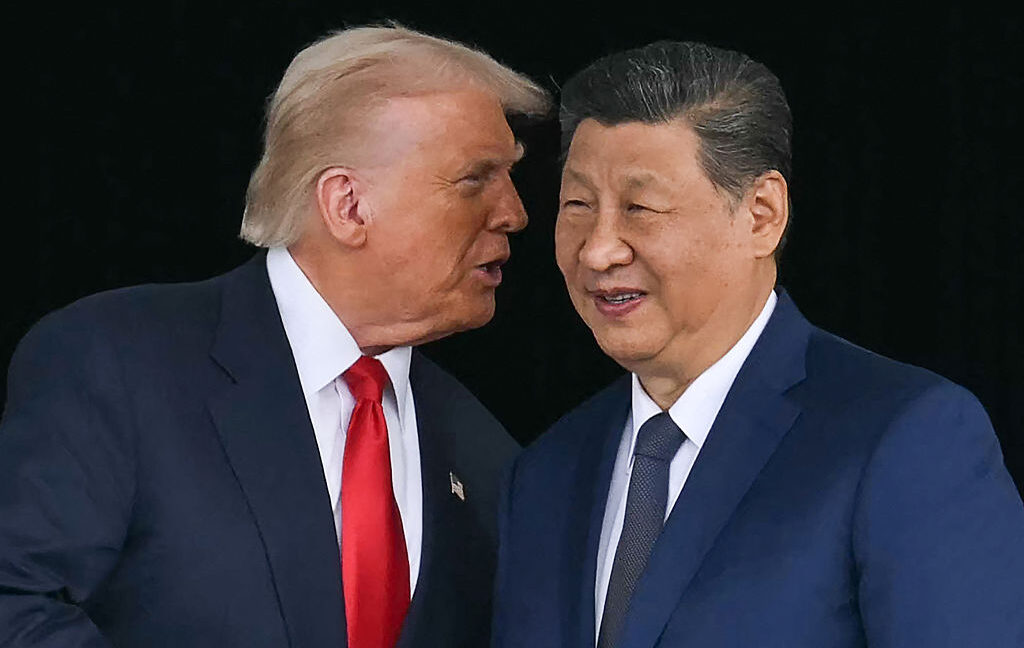
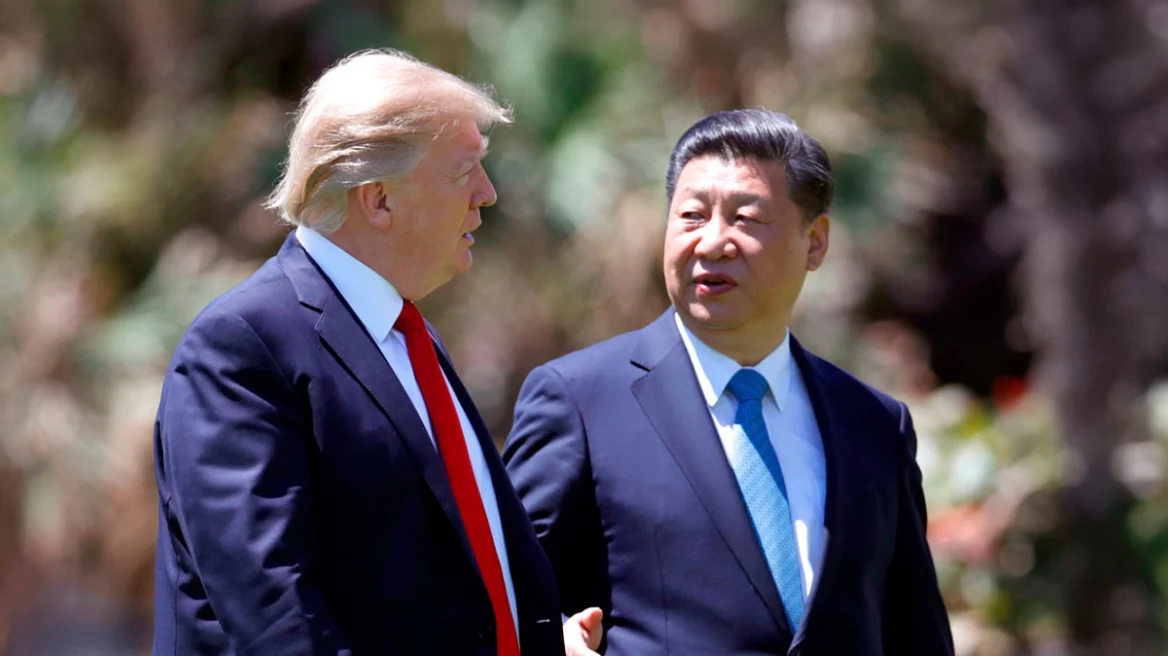
- US President Donald Trump and Chinese President Xi Jinping discussed Iran and the Strait of Hormuz.
- Leaders agreed the Strait of Hormuz must remain open to ensure global supplies, according to Al Jazeera.
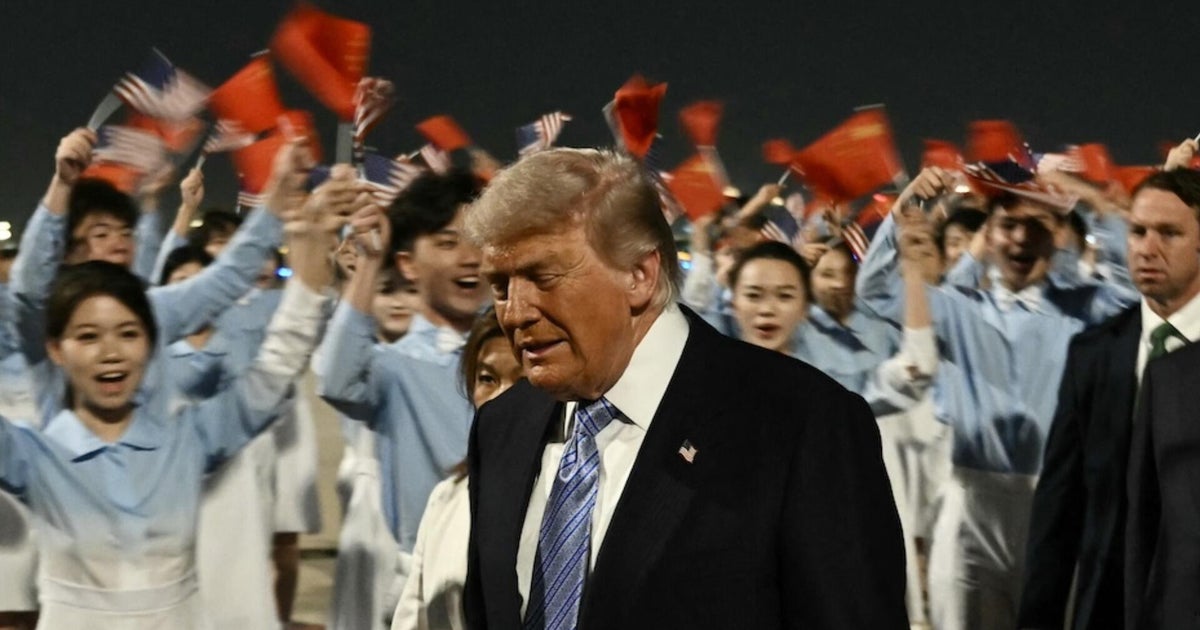
- President Trump was scheduled to arrive in Beijing to meet President Xi Jinping, as reported by Al Jazeera English.
- Discussions aimed at managing regional stability and global energy flow, impacting international trade.
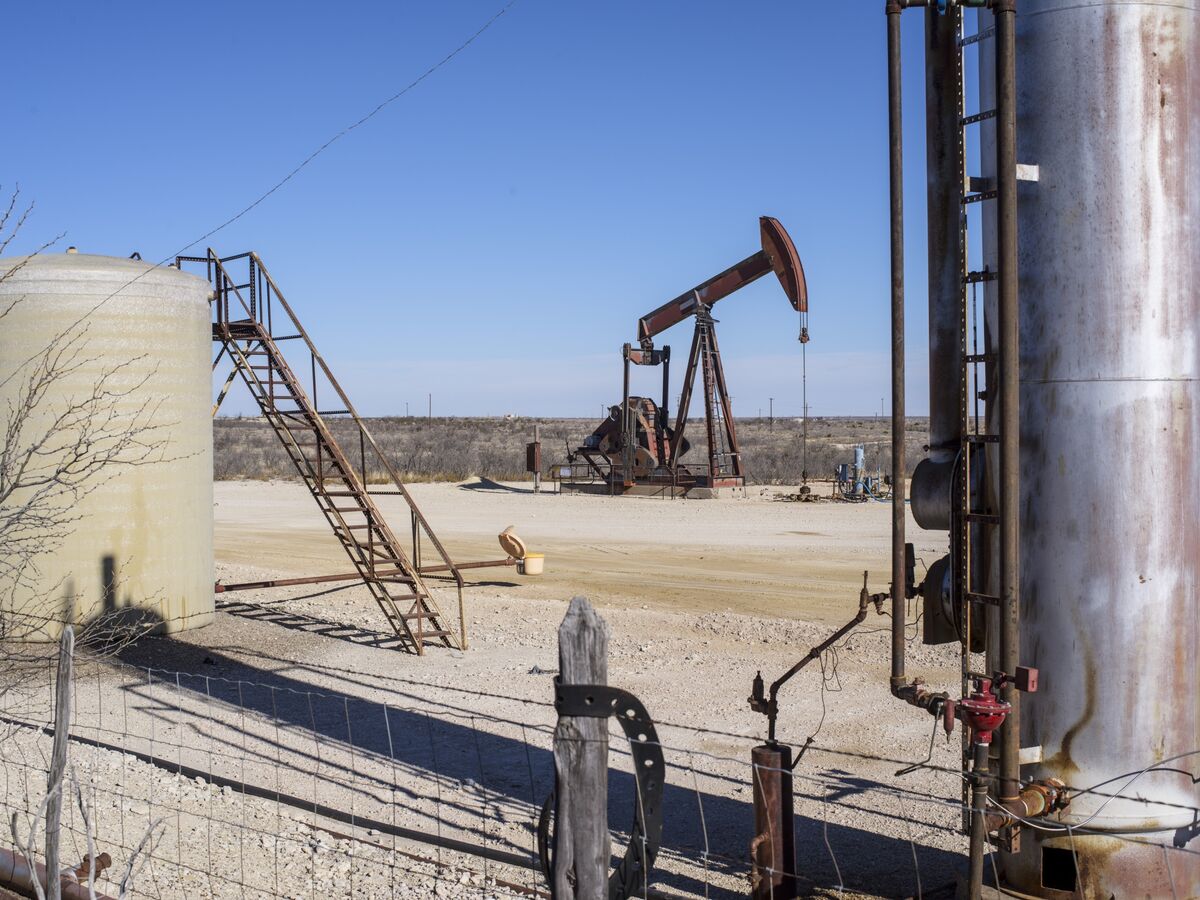
- The Strait of Hormuz is a critical chokepoint for approximately 20% of global petroleum liquids.
- Al Jazeera contextualized the talks within an 'Iran war day 77' and 'Tehran rallies BRICS' framework.
Introduction
Leaders of the United States and China have engaged in discussions concerning the ongoing situation in Iran and the critical importance of maintaining open navigation through the Strait of Hormuz. These high-level talks underscore international efforts to manage regional stability and ensure the unhindered flow of global energy supplies. The discussions occurred during a period of heightened international focus on Iran's role in the Middle East and its implications for global trade routes. The convergence of these two major global powers on such sensitive topics highlights the complex diplomatic landscape surrounding the region.
The discussions involved US President Donald Trump and Chinese President Xi Jinping, addressing a range of issues, with the situation in Iran being a prominent agenda item. The Strait of Hormuz, a vital maritime chokepoint for oil shipments, was specifically identified as an area requiring sustained openness to prevent disruptions to the global economy. This bilateral engagement between Washington and Beijing represents a significant diplomatic maneuver aimed at de-escalating potential conflicts and fostering a shared understanding on international security matters.
Key Facts
According to Al Jazeera, US and Chinese leaders agreed during their talks that the Strait of Hormuz should remain open to ensure global supplies. This agreement emphasizes a shared interest in maintaining stability in a crucial maritime passage. Al Jazeera English reported that United States President Donald Trump was scheduled to arrive in Beijing on Wednesday evening to discuss the Iran war and other issues with his Chinese counterpart, President Xi Jinping. This pre-scheduled visit indicates a deliberate effort to address these topics directly at the highest levels of government. Al Jazeera English further noted that the White House Principal Deputy Press Secretary provided additional details regarding the agenda and significance of these discussions, although the specific content of those details was not provided in the excerpt.
Where Sources Differ
Our analysis of how different outlets reported this story
- Al Jazeera frames the outcome of the discussions by stating that the leaders "agreed during talks that the Strait of Hormuz should remain open," which indicates a completed action and a consensus reached. In contrast, Al Jazeera English emphasizes the timing and purpose of the meeting, reporting that "Trump is set to arrive in Beijing on Wednesday evening to discuss the Iran war and other issues," which matters because Al Jazeera focuses on the agreement as a concrete result, while Al Jazeera English highlights the preparatory phase and the intent of the discussions.
- Al Jazeera's headline, "Iran war day 77: Trump, Xi discuss Hormuz as Tehran rallies BRICS," includes a specific timeline reference to the "Iran war day 77" and mentions "Tehran rallies BRICS," providing broader geopolitical context beyond the US-China bilateral talks. Conversely, Al Jazeera English's headline, "Trump to discuss Iran with Xi Jinping during China visit: Officials," focuses solely on the bilateral meeting and its primary agenda, which matters because Al Jazeera contextualizes the US-China talks within a larger, ongoing regional conflict and multilateral diplomatic efforts, whereas Al Jazeera English concentrates on the immediate bilateral agenda.
Why This Matters
The discussions between the United States and China regarding Iran and the Strait of Hormuz directly affect global energy markets, international shipping industries, and the populations reliant on stable oil prices. Specifically, the agreement to keep the Strait of Hormuz open impacts oil-importing nations, including China and many European countries, by ensuring the continued flow of approximately 20% of the world's petroleum liquids. Any disruption to this strait could lead to significant spikes in crude oil prices, potentially causing economic instability and increased costs for consumers and businesses worldwide. The measurable impact of such an agreement is the preservation of an estimated $1.2 trillion in annual trade that passes through the strait, safeguarding global supply chains and preventing widespread economic fallout.
Furthermore, these high-level talks set a precedent for how major global powers address regional conflicts with international implications. The explicit agreement between the US and China on a critical maritime chokepoint demonstrates a shared commitment, at least on this specific issue, to maintaining global economic stability over geopolitical rivalries. This could influence future diplomatic approaches to other international flashpoints, signaling a potential for cooperation on issues deemed universally vital. The discussions establish a framework where strategic competitors find common ground on shared economic interests, thereby potentially de-escalating tensions and fostering a more predictable international environment for commerce and security.
Full Report
United States President Donald Trump and Chinese President Xi Jinping have engaged in significant discussions focused on the situation in Iran and the imperative of maintaining open access to the Strait of Hormuz. According to Al Jazeera, the leaders reached an agreement during their talks that the Strait of Hormuz must remain open to ensure the uninterrupted flow of global supplies. This consensus underscores the international recognition of the strait's critical role in the world's energy infrastructure and economy.
Al Jazeera English provided context for these discussions, reporting that President Trump was scheduled to arrive in Beijing on Wednesday evening. The primary agenda for his meeting with President Xi Jinping included the "Iran war" and other pertinent issues. The report from Al Jazeera English indicated that White House Principal Deputy Press Secretary was involved in providing details regarding the visit, highlighting the official nature and strategic importance of these bilateral talks.
The emphasis on the Strait of Hormuz by both leaders, as reported by Al Jazeera, reflects a shared concern over potential disruptions to the vital waterway. This strait is a narrow passage between the Persian Gulf and the Gulf of Oman, through which a substantial portion of the world's oil transits daily. Ensuring its openness is crucial for global energy security and economic stability. The discussions between the US and Chinese heads of state indicate a coordinated diplomatic effort to address the broader implications of the situation in Iran, extending beyond regional boundaries to impact global commerce and stability.
Context & Background
The discussions between President Trump and President Xi Jinping occur against a backdrop of complex geopolitical tensions surrounding Iran. The Strait of Hormuz has historically been a flashpoint, given its strategic location as the sole sea passage from the Persian Gulf to the open ocean for oil tankers. Approximately one-fifth of the world's total oil consumption, and a significant portion of global liquefied natural gas, passes through this strait, making its security paramount for international trade and energy markets. Previous incidents and threats of closure by Iran have consistently raised global concerns about energy supply disruptions and potential military confrontations.
Iran's regional activities and its nuclear program have been subjects of international scrutiny and sanctions for many years. The designation of the situation as an "Iran war" by Al Jazeera's headline suggests an ongoing, perhaps undeclared, state of conflict or heightened tensions, which provides a critical backdrop for the US-China discussions. The mention of "Tehran rallies BRICS" in the same Al Jazeera headline indicates Iran's efforts to forge alliances and secure international support, further complicating the geopolitical landscape that the US and China are navigating.
What to Watch Next
Observers should monitor official statements from both the White House and the Chinese Ministry of Foreign Affairs in the coming days for further details or joint communiqués following President Trump's visit to Beijing. Specific attention should be paid to any follow-up actions or diplomatic initiatives announced by either nation concerning maritime security in the Persian Gulf region, particularly before the end of the current quarter. Additionally, any changes in shipping insurance rates or naval deployments in the Strait of Hormuz area could serve as measurable signals of the perceived stability or instability of the waterway. A key trigger event would be any public statements from Iranian officials regarding the Strait of Hormuz, which could either affirm or challenge the US-China agreement. The next scheduled high-level diplomatic engagements between the US and China, such as potential trade talks or G20 meetings, will also be crucial for assessing the continuity of this cooperative stance on regional security issues.
Source Attribution
This report draws on coverage from Al Jazeera and Al Jazeera English.
Found this story useful? Share it:
Sources (2)
Al Jazeera
"Iran war day 77: Trump, Xi discuss Hormuz as Tehran rallies BRICS"
May 15, 2026
Al Jazeera English
"Trump to discuss Iran with Xi Jinping during China visit: Officials"
May 10, 2026