Russia Poised for Further Interest Rate Cuts Amid Economic Slowdown and Geopolitical Uncertainty
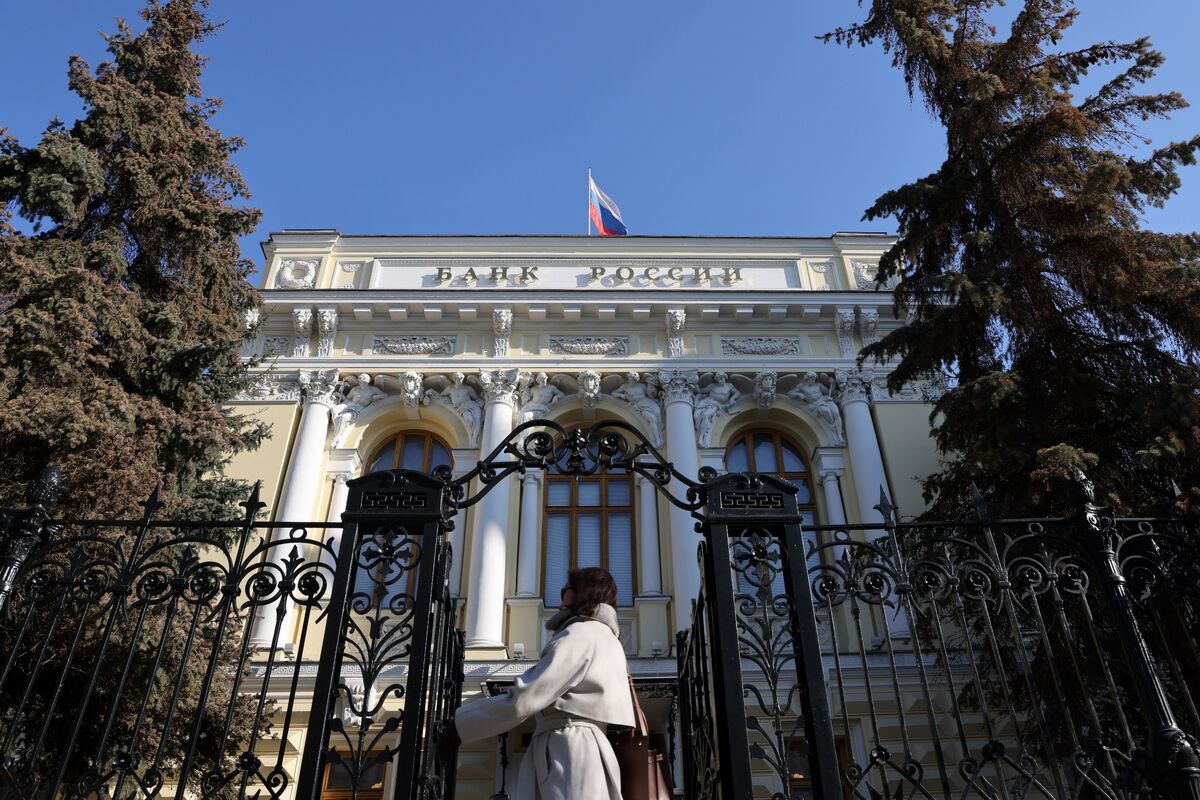
Structured Editorial Report
This report is based on coverage from Bloomberg and has been structured for clarity, context, and depth.
Key Points
- Russia's central bank is expected to continue cutting key interest rates due to a slowing economy.
- The extent of rate cuts is limited by federal budget uncertainty and Middle East conflict fallout.
- Lower rates aim to stimulate investment and consumption but risk exacerbating inflation amid external shocks.
- The central bank balances economic growth needs with maintaining financial stability in an unpredictable environment.
- Future policy decisions will be influenced by budget clarity and geopolitical developments, particularly oil prices.
Introduction
Russia's central bank is anticipated to implement further reductions to its key interest rate, a move driven by a discernible deceleration in the nation's economic activity. This monetary easing comes despite persistent uncertainties surrounding the federal budget and the potential for broader economic fallout stemming from the escalating conflict in the Middle East. Policymakers are navigating a complex landscape where the need to stimulate growth is balanced against inflationary pressures and geopolitical risks, suggesting a cautious approach to the extent of future rate cuts. The decision reflects an ongoing effort to stabilize the economy while adapting to evolving domestic and international conditions.
The anticipated rate cut underscores a strategic shift by the Bank of Russia, moving from a period of aggressive tightening to a more accommodative stance as inflation shows signs of moderation. However, the external environment, particularly the volatility in global energy markets and the implications of regional conflicts, introduces a significant layer of complexity to their policy decisions. This delicate balancing act aims to foster economic recovery without undermining financial stability or reigniting inflationary spirals, positioning the central bank at a critical juncture in its monetary policy trajectory.
Key Facts
The central bank of Russia is expected to continue its cycle of interest rate reductions. This policy direction is primarily influenced by a noticeable slowdown in the Russian economy. However, the scope and pace of these cuts are being constrained by two significant factors: ongoing uncertainty regarding the federal budget and the potential economic repercussions arising from the conflict in the Middle East. These elements introduce a degree of caution into the central bank's otherwise dovish stance, limiting the extent to which they can aggressively ease monetary policy without introducing new risks.
Why This Matters
The Bank of Russia's decision to cut interest rates, even cautiously, carries significant implications for the nation's economic trajectory and the daily lives of its citizens. Lower interest rates typically translate to reduced borrowing costs for businesses and consumers, potentially stimulating investment, consumption, and overall economic growth. For businesses, this could mean easier access to credit for expansion, leading to job creation and increased output. For individuals, it might make loans for housing, cars, or other significant purchases more affordable, thereby boosting demand in key sectors.
However, the context of geopolitical instability and budget uncertainty adds layers of complexity. While rate cuts aim to inject liquidity and dynamism into the economy, they also risk exacerbating inflation if supply-side issues or external shocks persist. The Middle East conflict, for instance, can impact global oil prices, a critical revenue source for Russia, and disrupt supply chains, feeding into domestic price pressures. Therefore, the central bank's cautious approach reflects an understanding that while stimulating growth is necessary, maintaining price stability and financial resilience in an unpredictable environment is paramount to preventing deeper economic distress.
Furthermore, the interplay between monetary policy and fiscal policy, particularly the federal budget's uncertainty, is crucial. If government spending remains unpredictable or if revenue streams are volatile due to sanctions or commodity price fluctuations, the effectiveness of interest rate adjustments can be diluted. A coordinated and transparent approach between fiscal and monetary authorities is essential to provide a stable economic environment, fostering investor confidence and ensuring that policy actions yield their intended benefits for the broader economy and populace.
Full Report
Russia's central bank is signaling a continued path towards monetary easing, with further interest rate cuts anticipated as the national economy exhibits signs of losing momentum. This strategic pivot comes after a period where the central bank had aggressively raised rates to combat inflation, demonstrating an adaptive approach to evolving economic realities. The current stance reflects a calculated effort to stimulate domestic demand and investment, which are crucial for sustaining economic activity in the face of ongoing international pressures and structural challenges.
However, the extent of these rate reductions is not without significant caveats. Policymakers are reportedly grappling with substantial uncertainty surrounding the federal budget, which can influence government spending patterns and overall fiscal stability. This fiscal ambiguity complicates the central bank's forecasting models and limits its ability to project the long-term impact of monetary policy decisions. Additionally, the escalating conflict in the Middle East introduces an unpredictable external variable, with potential implications for global energy markets, trade routes, and investor sentiment, all of which could directly affect Russia's commodity-dependent economy.
The Bank of Russia's cautious approach suggests a recognition that while domestic economic indicators warrant easing, the external geopolitical landscape and internal fiscal uncertainties necessitate a measured response. This balancing act aims to prevent an overcorrection that could either reignite inflationary pressures or undermine financial stability. The central bank's communication will be critical in guiding market expectations and ensuring that its policy actions are perceived as both necessary and prudent in the current challenging environment.
Context & Background
Russia's economic landscape has been profoundly shaped by a series of significant events over the past few years, leading to the current monetary policy considerations. Following the imposition of extensive international sanctions in response to geopolitical actions, the Russian economy faced unprecedented challenges, including capital flight, supply chain disruptions, and restricted access to global financial markets. In response, the Bank of Russia initially implemented aggressive interest rate hikes to stabilize the ruble, curb soaring inflation, and prevent a financial meltdown.
This period of stringent monetary tightening successfully anchored inflation expectations and brought the ruble back from initial volatility. However, sustained high interest rates inevitably began to weigh on economic growth, making borrowing more expensive for businesses and consumers. As inflation showed signs of moderating from its peaks and the economy adapted to the new sanctions regime, the central bank began to signal a potential shift towards easing, aiming to support domestic economic activity without compromising hard-won financial stability. The current discussions around further rate cuts are a direct continuation of this adaptive policy cycle, reflecting the central bank's ongoing efforts to navigate a complex and evolving economic environment while balancing growth and inflation objectives.
What to Watch Next
Market participants and analysts will closely monitor the Bank of Russia's upcoming monetary policy meetings for definitive announcements on interest rate adjustments. The central bank's official statements and accompanying economic forecasts will provide crucial insights into the perceived balance between inflation risks, economic growth imperatives, and external geopolitical factors. Any forward guidance on the trajectory of future rate decisions will be particularly scrutinized, indicating the likely pace and extent of further easing.
Additionally, attention will be paid to developments concerning the Russian federal budget, specifically any clarity or new projections regarding government spending and revenue streams. The evolution of the Middle East conflict and its impact on global oil prices and supply chains will also be a key external factor to watch, as significant shifts could influence the central bank's risk assessment and, consequently, its monetary policy stance. These interconnected elements will collectively shape the economic outlook and the central bank's subsequent actions.
Source Attribution
This report draws on coverage from Bloomberg.
Found this story useful? Share it:
Sources (1)
Bloomberg
"Russia Set to Cut Key Rate Amid Economic Woes and Iran-War Risks"
April 24, 2026