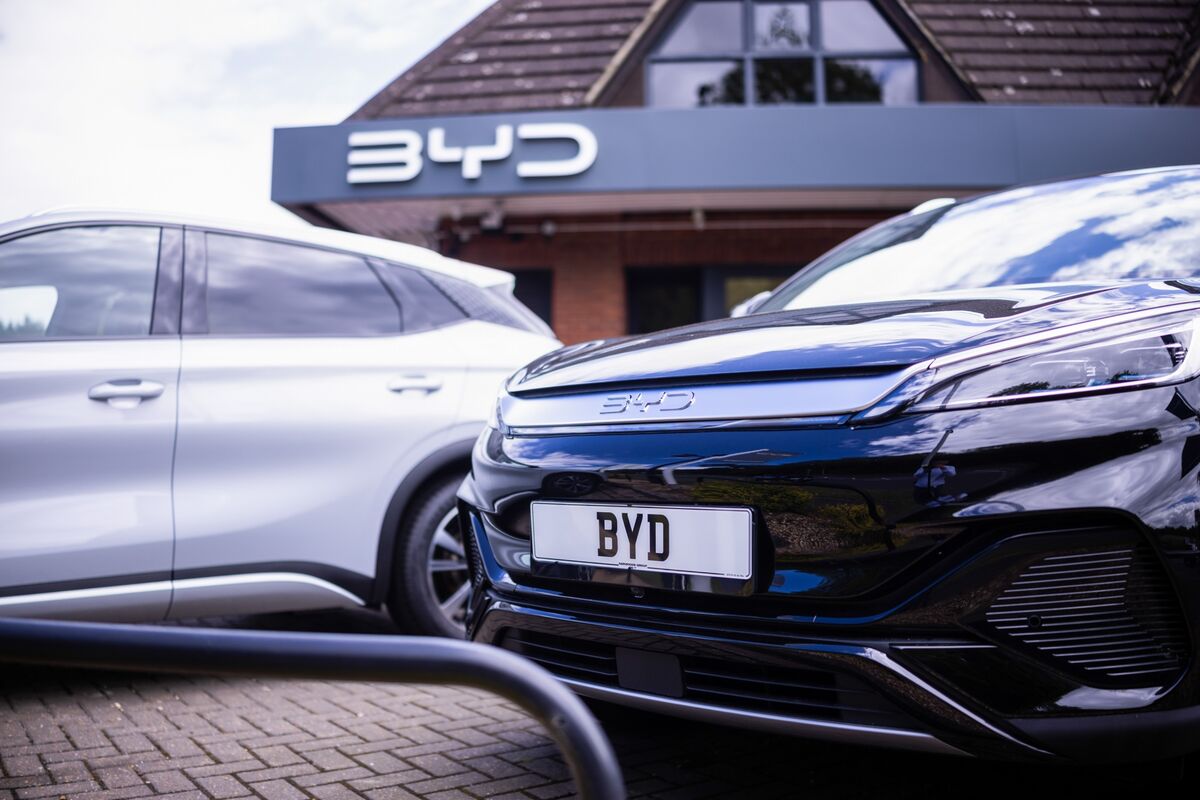
BYD and Geely Anticipate Increased EV Demand Amid Rising Oil Prices Driven by Geopolitical Tensions
Structured Editorial Report
This report is based on coverage from Bloomberg and has been structured for clarity, context, and depth.
Key Points
- Chinese EV manufacturers BYD and Geely are poised to benefit from increased demand due to rising global oil prices.
- The surge in oil prices is directly linked to geopolitical tensions, specifically the conflict involving Iran.
- Higher fuel costs make electric vehicles a more economically attractive option for consumers globally.
- Overseas sales growth is becoming a heightened strategic priority for both BYD and Geely.
- This trend could accelerate the global transition to electric mobility and strengthen China's position in the EV market.
Introduction
Chinese electric vehicle (EV) manufacturers BYD Co. and Geely Automobile Holdings Ltd. are strategically positioned to capitalize on an anticipated surge in demand for electric vehicles. This projection comes as global oil prices experience an upward trajectory, a direct consequence of escalating geopolitical tensions, particularly those stemming from the conflict in Iran. The confluence of these factors is expected to accelerate the shift towards alternative energy vehicles, presenting a significant market opportunity for these prominent Chinese automakers.
The current geopolitical landscape, marked by instability in key oil-producing regions, has a direct and immediate impact on the global energy market. As crude oil prices climb, the economic incentive for consumers to switch from gasoline-powered vehicles to more fuel-efficient or entirely electric options becomes increasingly compelling. This dynamic is set to bolster the market share and sales volumes of companies like BYD and Geely, which have heavily invested in EV technology and production capabilities.
Key Facts
BYD Co. and Geely Automobile Holdings Ltd. are identified as primary beneficiaries of the current market conditions. The core driver for this increased demand is the rise in oil prices, directly attributed to the conflict in Iran. This situation creates a stronger economic argument for consumers to opt for electric vehicles over traditional internal combustion engine cars. Both companies are major players in the global EV market, with significant production capacities and expanding international footprints.
Furthermore, the report indicates that overseas sales growth is poised to become an even greater priority for these manufacturers. This strategic pivot highlights a broader trend within the Chinese automotive industry to expand its global reach and reduce reliance on the domestic market. The current geopolitical and economic climate provides a unique impetus for accelerating these international expansion plans, leveraging the cost-effectiveness and technological advancements of their EV offerings.
Why This Matters
This development holds significant implications across multiple sectors, from global energy markets and consumer behavior to international trade and environmental policy. For consumers, rising oil prices directly translate to higher transportation costs, making EVs an increasingly attractive financial alternative. This shift could accelerate the adoption of electric vehicles globally, impacting everything from urban planning and charging infrastructure development to the long-term viability of fossil fuel industries.
Economically, the increased demand for Chinese-made EVs could further solidify China's position as a dominant force in the global automotive industry. This not only boosts the revenues and market capitalization of companies like BYD and Geely but also strengthens China's industrial base and technological leadership in electric mobility. For importing nations, it could mean a diversification of their automotive supply chains and potentially more affordable EV options, but also raises questions about trade balances and geopolitical dependencies.
Environmentally, an accelerated transition to EVs, driven by economic pressures, could contribute positively to global efforts to reduce carbon emissions and combat climate change. While the energy sources for electricity generation vary by region, a widespread shift away from gasoline consumption inherently reduces tailpipe emissions. This market-driven acceleration could complement policy efforts aimed at decarbonization, creating a powerful synergy towards a greener transportation future.
Full Report
The current geopolitical landscape, marked by the conflict in Iran, has created a ripple effect across global commodity markets, most notably impacting crude oil prices. As these prices climb, the operational costs associated with gasoline-powered vehicles increase, making electric vehicles a more economically viable and attractive option for consumers worldwide. This scenario is particularly beneficial for leading Chinese EV manufacturers, BYD Co. and Geely Automobile Holdings Ltd., which are well-positioned to meet this burgeoning demand.
Both BYD and Geely have made substantial investments in research, development, and mass production of electric vehicles, establishing themselves as key innovators and market leaders. Their product portfolios span a wide range of EV segments, from affordable mass-market models to more premium offerings, catering to diverse consumer needs and preferences. This breadth of product allows them to capture a larger share of the expanding EV market as economic incentives shift consumer choices.
The strategic focus for these companies is not limited to their robust domestic market. The report emphasizes that overseas sales growth is becoming an increasingly critical strategic priority. This international expansion is driven by a combination of factors, including seeking new revenue streams, diversifying market risk, and leveraging their competitive advantages in EV technology and cost-efficiency. The current global economic climate, with its emphasis on energy independence and sustainability, provides an opportune moment for this outward push.
As oil prices continue to fluctuate in response to geopolitical events, the long-term trend towards electrification in transportation is expected to gain further momentum. This not only benefits the immediate sales figures of BYD and Geely but also reinforces the broader global transition away from fossil fuels. The competitive landscape in the EV sector is intense, but companies with established production capabilities, strong supply chains, and innovative technologies, like the Chinese giants, are best equipped to thrive in this evolving environment.
Context & Background
The global automotive industry has been undergoing a transformative shift towards electrification for over a decade, driven by environmental concerns, technological advancements, and government incentives. China, in particular, has emerged as a global leader in EV production and adoption, supported by extensive government subsidies, infrastructure development, and a vast domestic market. Companies like BYD and Geely have been at the forefront of this national strategy, evolving from traditional automakers into formidable EV powerhouses.
Geopolitical events have historically played a significant role in shaping global energy markets and, by extension, the automotive industry. Past oil crises, such as those in the 1970s, spurred innovation in fuel efficiency and alternative energy sources. The current tensions involving Iran, a major oil producer, directly impact global supply and pricing, creating a similar impetus for change, though this time the established alternative is electric mobility rather than just fuel efficiency.
Furthermore, the increasing focus on energy security and reducing reliance on volatile oil markets has been a long-standing objective for many nations. The current situation underscores the vulnerability of economies tied to fossil fuel imports and strengthens the argument for accelerating the transition to domestically produced or more stable energy sources for transportation. This context provides a robust backdrop for the anticipated surge in EV demand.
What to Watch Next
Observers should closely monitor the trajectory of global oil prices, particularly in response to any further developments or de-escalations in the Middle East. Sustained high oil prices will continue to bolster the economic case for EVs. Additionally, attention should be paid to the quarterly earnings reports and sales figures released by BYD and Geely, as these will provide concrete evidence of how quickly and significantly the anticipated demand surge translates into actual market performance.
Further, watch for any announcements regarding new EV models, production capacity expansions, or strategic partnerships from these Chinese manufacturers, especially those targeting international markets. These actions will indicate their commitment to capitalizing on the current market conditions. Governments worldwide may also introduce new incentives or policies to accelerate EV adoption in response to rising fuel costs, which would further amplify the market opportunities for these companies.
Source Attribution
This report draws on coverage from Bloomberg.
Found this story useful? Share it:
Sources (1)
Bloomberg
"BYD, Geely See More EV Demand As Oil Prices Climb From Iran War"
April 24, 2026