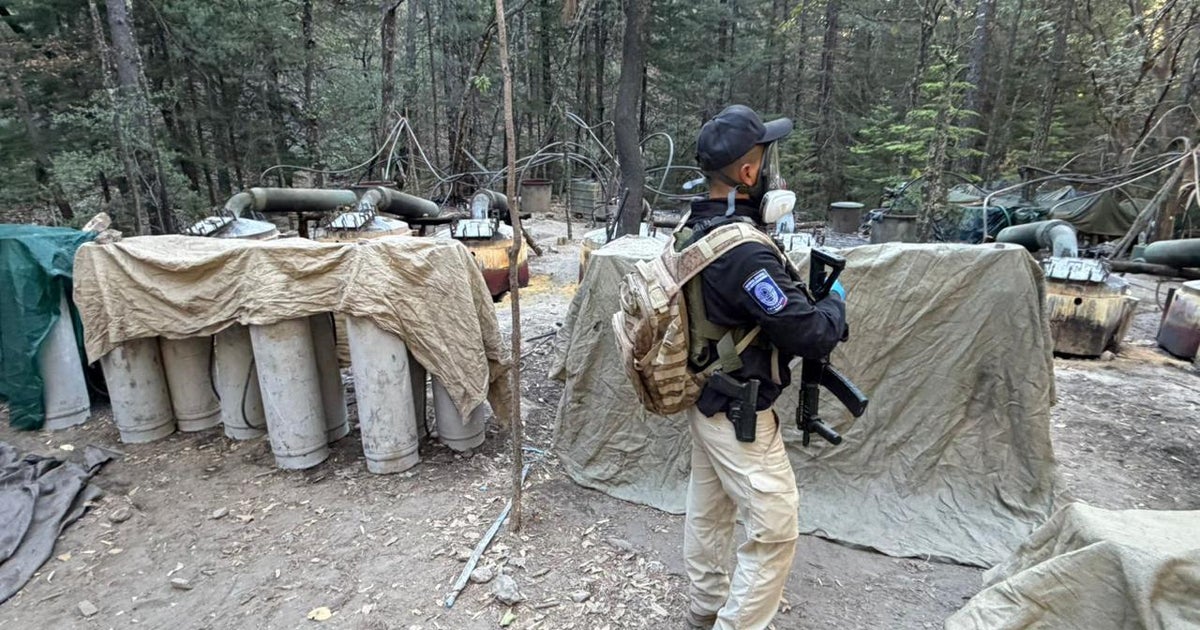
Mexico Demands Answers After US Embassy Personnel Deaths Following Chihuahua Drug Raid

Structured Editorial Report
This report is based on coverage from USA Today and has been structured for clarity, context, and depth.
Key Points
- Mexican President Claudia Sheinbaum Pardo demanded answers regarding the deaths of two U.S. embassy personnel.
- The U.S. embassy personnel died in a car accident following a drug raid in Chihuahua, Mexico.
- President Sheinbaum characterized the issue as a matter of "sovereignty," awaiting a U.S. government report.
- The incident highlights diplomatic complexities and risks in U.S.-Mexico cross-border law enforcement cooperation.
- Mexico's demand underscores its focus on national jurisdiction and transparency in foreign governmental activities.
Introduction
Mexican President Claudia Sheinbaum Pardo has publicly demanded answers regarding the deaths of two U.S. embassy personnel in a car accident, an incident that occurred shortly after a significant drug raid in Chihuahua. President Sheinbaum, speaking on Monday, characterized the situation as a matter of "sovereignty," underscoring the gravity with which Mexico views the circumstances surrounding the deaths of foreign diplomatic staff on its soil. The incident has ignited a diplomatic discussion between the two nations, focusing on the intricacies of cross-border law enforcement operations and the protocols governing foreign personnel during such sensitive events.
The precise details of the car accident and its direct link to the preceding drug raid remain central to the ongoing investigations. The Mexican government's call for transparency and accountability reflects a broader concern over jurisdiction and the proper conduct of international cooperation in combating organized crime. This tragic event has brought into sharp focus the inherent risks faced by individuals involved, directly or indirectly, in the high-stakes battle against drug trafficking along the U.S.-Mexico border.
Key Facts
President Claudia Sheinbaum Pardo made her demand for answers on Monday, emphasizing the issue of "sovereignty." The incident involved two U.S. embassy personnel who died in a car accident. This accident occurred subsequent to a drug raid in the state of Chihuahua. The Mexican President stated that she was awaiting a report from the U.S. government concerning the incident. The drug raid itself was described as a significant operation.
Further details regarding the identities of the deceased personnel, the exact location and time of the accident, and the specific nature of their involvement in the drug raid have not been publicly detailed in the provided source. The core of Mexico's concern revolves around understanding the full sequence of events that led to the deaths and ensuring that all operations involving foreign entities on Mexican territory adhere to established international and national legal frameworks.
Why This Matters
This incident carries significant weight for several reasons, primarily impacting diplomatic relations, national sovereignty, and the ongoing efforts to combat transnational crime. The death of U.S. embassy personnel, even if accidental, following a law enforcement operation on foreign soil, inherently elevates the situation to a diplomatic concern. Mexico's assertion of "sovereignty" by President Sheinbaum is not merely rhetorical; it signifies a demand for full disclosure and adherence to international protocols, ensuring that foreign governmental activities within its borders are transparent and respect national jurisdiction.
For the United States, the deaths of its diplomatic staff represent a profound loss and necessitate a thorough internal review of operational procedures and personnel safety, particularly in high-risk environments. It also tests the strength and resilience of the U.S.-Mexico security partnership, which is critical for addressing shared challenges like drug trafficking. The incident could influence future bilateral cooperation agreements, potentially leading to revised rules of engagement or increased scrutiny over joint operations, thereby affecting the efficacy of cross-border law enforcement efforts.
Moreover, the event underscores the perilous nature of combating organized crime in regions like Chihuahua, which are often hotspots for cartel activity. The involvement of diplomatic personnel, even in support roles, highlights the expansive and dangerous reach of drug-related violence. The outcome of Mexico's investigation and the U.S. response will set precedents for how such sensitive situations are handled in the future, impacting not only the safety of diplomatic staff but also the delicate balance between national security interests and international cooperation.
Full Report
On Monday, Mexican President Claudia Sheinbaum Pardo publicly addressed the deaths of two U.S. embassy personnel in a car accident that took place after a drug raid in Chihuahua. President Sheinbaum articulated a strong stance, stating that she was seeking answers from the U.S. government regarding the incident. She explicitly framed her demand within the context of national "sovereignty," indicating a serious concern over the circumstances surrounding the deaths of foreign diplomatic staff on Mexican territory.
The incident has prompted a formal request from the Mexican government for a comprehensive report from the United States. This request underscores Mexico's intent to fully understand the sequence of events leading to the fatal accident and to ascertain the exact roles and activities of the U.S. embassy personnel in relation to the drug raid. The drug raid itself was described as a significant operation, suggesting a high-stakes environment where such an incident could have far-reaching implications.
While the specific details regarding the identities of the deceased, the precise location of the accident, and the nature of their involvement in the raid remain undisclosed in the provided information, President Sheinbaum's public comments signal a clear expectation of transparency and accountability from the U.S. government. The diplomatic dialogue initiated by Mexico's demand for answers highlights the complexities inherent in international law enforcement cooperation, particularly when sovereign borders and national laws intersect.
The Mexican government's position emphasizes the importance of respecting national jurisdiction and ensuring that all foreign governmental activities within its borders are conducted in full accordance with established legal frameworks and bilateral agreements. The resolution of this issue will likely involve detailed investigations by both nations, aiming to provide clarity on the events and to reinforce protocols for future collaborative efforts in combating organized crime.
Context & Background
The U.S.-Mexico border region, particularly states like Chihuahua, has long been a focal point for drug trafficking and organized crime. This persistent challenge has necessitated extensive cooperation between U.S. and Mexican law enforcement agencies, often involving intelligence sharing, joint operations, and the deployment of personnel from both nations. However, such collaboration is frequently fraught with complexities, including differing legal frameworks, operational protocols, and sensitivities regarding national sovereignty.
Incidents involving foreign diplomatic or law enforcement personnel operating within another country's borders carry significant diplomatic weight. Historical precedents show that such events can strain bilateral relations, particularly if there are perceived breaches of protocol or a lack of transparency. The presence of U.S. embassy personnel, who often include security or law enforcement attachés, in areas of high criminal activity is not uncommon, as they play crucial roles in facilitating cooperation and protecting U.S. interests abroad.
The demand for answers from President Sheinbaum reflects a broader trend in Mexico of asserting greater control over internal security matters and foreign involvement. Recent years have seen Mexico's government emphasize its sovereignty in security partnerships, seeking to ensure that international cooperation aligns strictly with its national interests and legal parameters. This incident, therefore, is not isolated but rather fits into a larger narrative of evolving U.S.-Mexico security relations, where the balance between collaboration and national autonomy is continuously negotiated.
What to Watch Next
Attention will now be focused on the U.S. government's response to President Sheinbaum's demand for a report. The nature and timeliness of this report will be critical in shaping the immediate diplomatic trajectory between the two nations. Observers should monitor for any official statements from the U.S. Department of State or other relevant U.S. agencies regarding the incident and the requested information. The content of the U.S. report, specifically its explanation of the personnel's involvement in the raid and the circumstances of the accident, will be key.
Furthermore, any subsequent actions taken by the Mexican government, such as further investigations or public comments from President Sheinbaum or her cabinet, will indicate how satisfied Mexico is with the U.S. response. This incident could potentially lead to discussions about revising existing protocols or memoranda of understanding governing the activities of foreign personnel during law enforcement operations in Mexico. Any such revisions or new agreements would be significant developments to track, as they would directly impact future U.S.-Mexico security cooperation.
Source Attribution
This report draws on coverage from USA Today.
Found this story useful? Share it:
Sources (1)
USA Today
"US embassy workers killed after drug raid in Chihuahua; Mexico wants answers"
April 21, 2026