Four Anti-Narcotics Agents, Including Two U.S. Embassy Officials, Die in Mexico Car Crash After Drug Raid
Structured Editorial Report
This report is based on coverage from CBS News and has been structured for clarity, context, and depth.
Key Points
- Four anti-narcotics agents, including two U.S. embassy workers, died in a car crash in northern Mexico.
- The accident occurred Sunday as the team returned from a significant drug lab raid.
- The incident highlights the extreme dangers faced by law enforcement in Mexico's drug war.
- The involvement of U.S. embassy personnel underscores U.S.-Mexico anti-narcotics cooperation and its inherent risks.
- Mexican prosecutors confirmed the fatalities, with investigations into the crash ongoing.
Introduction
Tragedy struck in northern Mexico as four anti-narcotics agents, two of whom were identified as U.S. embassy workers, perished in a car accident. The fatal incident occurred on Sunday as the team was returning from a significant drug lab raid. This event underscores the inherent dangers faced by law enforcement personnel, including international partners, operating within regions grappling with powerful criminal organizations and the illicit drug trade. The loss of life highlights the complex and often perilous nature of cross-border efforts to combat narcotics production and trafficking.
The accident, which claimed the lives of individuals engaged in critical anti-drug operations, has drawn attention to the risks associated with such missions. While details surrounding the exact circumstances of the crash are under investigation, the immediate aftermath confirms a profound loss for both Mexican and U.S. anti-narcotics efforts. The involvement of U.S. embassy personnel signals the deep collaborative ties and shared commitment between the two nations in confronting organized crime, even as it exposes the high human cost of these endeavors.
Key Facts
Four anti-narcotics agents were killed in a car accident in northern Mexico. Among the deceased were two U.S. embassy workers, confirming the international dimension of the incident. The accident took place on Sunday, following the agents' participation in a major drug raid. Prosecutors in Mexico confirmed the fatalities and the circumstances surrounding the crash.
The drug raid from which the agents were returning was described as significant, indicating a substantial operation against illicit narcotics production. The specific location of the raid and the accident within northern Mexico has been noted, a region frequently impacted by drug-related violence and cartel activity. The involvement of U.S. embassy staff suggests their role in supporting or coordinating anti-drug efforts with Mexican authorities.
Why This Matters
This incident carries significant implications for several reasons, primarily highlighting the extreme dangers inherent in the ongoing fight against drug cartels in Mexico. The death of four anti-narcotics agents, including two U.S. embassy personnel, underscores the high-stakes environment in which these operations are conducted. It serves as a stark reminder of the human cost borne by individuals dedicated to disrupting the illicit drug trade, impacting both national and international law enforcement communities.
For U.S.-Mexico relations, this tragedy could prompt a re-evaluation of security protocols and operational procedures for American personnel working in high-risk areas. The presence of U.S. embassy workers in such operations signifies a deep level of cooperation between the two countries, making their loss a shared burden. It reinforces the narrative of a common enemy in transnational criminal organizations and could potentially galvanize further collaborative efforts, while also raising questions about the safety and protection of foreign operatives.
Furthermore, the incident sheds light on the persistent and violent nature of drug trafficking in northern Mexico. Regions like this are often battlegrounds where cartels exert considerable influence, posing constant threats to law enforcement. The loss of experienced anti-narcotics agents, particularly those involved in a major raid, can temporarily disrupt ongoing investigations and operations, potentially impacting the momentum of anti-drug campaigns. This event serves as a tragic testament to the formidable challenges faced by authorities striving to establish rule of law and dismantle criminal networks.
Full Report
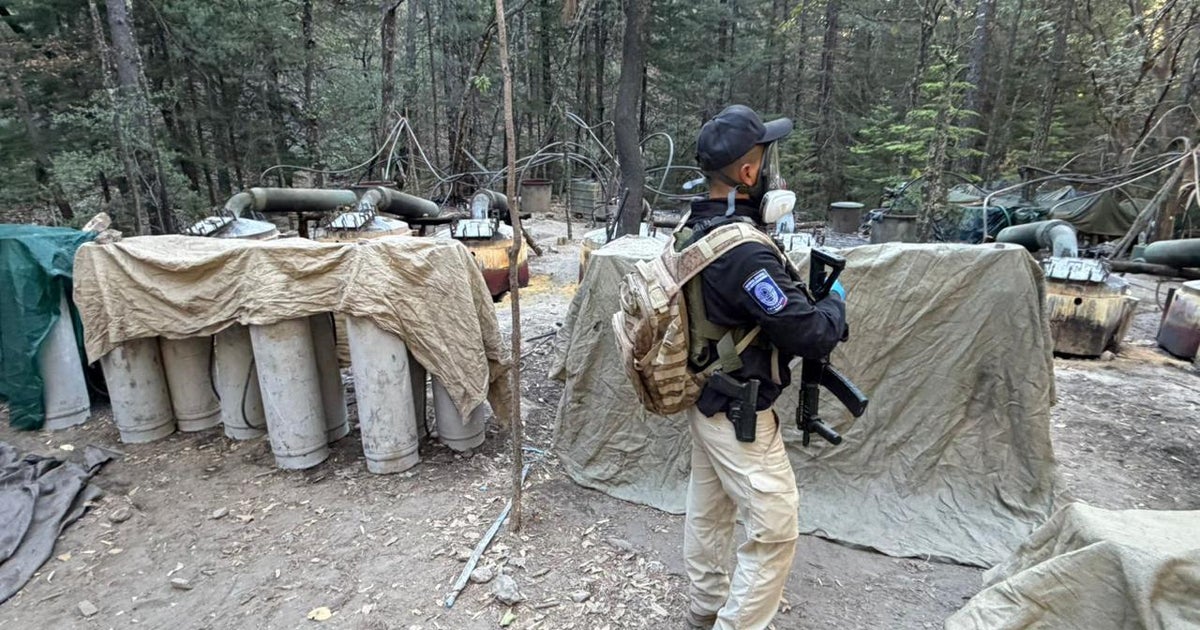
On Sunday, Mexican prosecutors confirmed a devastating car accident that resulted in the deaths of four anti-narcotics agents in northern Mexico. The fatalities included two individuals identified as U.S. embassy workers, who were actively involved in anti-drug operations. The accident occurred as the team was en route back from a substantial drug lab raid, an operation that targeted a significant illicit narcotics production facility in the region. The exact details of the crash, including its cause and specific location, are currently under investigation by Mexican authorities.
This tragic event underscores the perilous environment in which both Mexican and international anti-drug personnel operate. Northern Mexico is a known hotbed for drug cartel activity, characterized by high levels of violence and sophisticated criminal networks. The involvement of U.S. embassy staff in such a raid indicates a close working relationship between American and Mexican law enforcement agencies, often involving intelligence sharing, training, and operational support aimed at dismantling transnational criminal organizations. Their presence highlights the shared commitment to combating the flow of illegal drugs into the United States and disrupting the cartels' operations within Mexico.
The drug lab raid itself was described by authorities as a major success, signifying a significant blow to the local drug production infrastructure. However, the subsequent accident has cast a somber shadow over the achievement, transforming a successful operation into a profound tragedy. The loss of experienced agents, particularly those with international ties, is a considerable setback for ongoing anti-narcotics efforts, potentially impacting future intelligence gathering and operational capabilities. The incident serves as a stark reminder of the constant dangers faced by those on the front lines of the drug war.
Reactions to the incident are expected from both Mexican and U.S. officials, likely expressing condolences and reaffirming commitments to continued cooperation. The event will undoubtedly prompt a review of safety protocols and operational procedures for joint anti-narcotics missions, especially those involving foreign personnel in high-risk zones. The broader implications extend to the morale of anti-drug units and the public perception of the effectiveness and safety of such operations in a region plagued by deeply entrenched criminal elements.
Context & Background
The fight against drug trafficking in Mexico, particularly in its northern regions, has been a protracted and often violent conflict spanning decades. Mexican cartels have evolved into highly sophisticated and powerful criminal enterprises, controlling vast territories and engaging in a wide array of illicit activities beyond drug production and smuggling, including extortion, kidnapping, and human trafficking. This has led to an ongoing struggle with Mexican authorities, often resulting in deadly confrontations and significant casualties on both sides.
U.S. involvement in Mexico's anti-drug efforts is extensive and long-standing, reflecting a shared border and the significant impact of drug flow into the United States. Through initiatives like the Mérida Initiative, the U.S. has provided billions of dollars in aid, training, and equipment to Mexican security forces. This cooperation often involves U.S. embassy personnel, including law enforcement attachés and other specialists, working directly with Mexican counterparts to share intelligence, coordinate operations, and strengthen institutional capacities. Their roles can range from advisory positions to direct participation in planning and supporting high-value targets and raids.
The presence of U.S. embassy workers in anti-narcotics operations, while not always publicly highlighted, is a critical component of this bilateral strategy. These individuals often bring specialized expertise and resources, enhancing the effectiveness of Mexican efforts. However, their involvement also places them in direct harm's way, making them potential targets or victims in a conflict zone. Previous incidents, such as the killing of U.S. Immigration and Customs Enforcement (ICE) agent Jaime Zapata in 2011, underscore the severe risks faced by American personnel operating in Mexico's volatile security landscape.
What to Watch Next
Authorities in Mexico are expected to release further details regarding the investigation into the car accident, including the specific cause and any contributing factors. This will likely involve reports from forensic teams and traffic accident reconstruction experts. The Mexican Attorney General's Office or relevant state prosecutors will be the primary source for these updates, which could shed light on whether the crash was purely accidental or if other circumstances were involved.
Both the U.S. Department of State and relevant Mexican government ministries are anticipated to issue official statements or hold press conferences in the coming days. These communications will likely address the identities of the deceased U.S. embassy workers, offer condolences, and reaffirm the commitment to bilateral anti-narcotics cooperation. Observers should monitor these statements for any indications of policy shifts or enhanced security measures for U.S. personnel operating in Mexico.
Furthermore, the incident may prompt a review of operational security protocols for joint U.S.-Mexico anti-drug missions. Any changes or new guidelines implemented by either government for personnel operating in high-risk areas will be a key development to watch. This could influence the nature and frequency of future collaborative drug raids and intelligence-gathering operations in northern Mexico and other cartel-affected regions.
Source Attribution
This report draws on coverage from CBS News.
Found this story useful? Share it:
Sources (1)
CBS News
"2 U.S. Embassy officials among 4 anti-narcotic agents killed car crash following drug lab raid in Mexico"
April 20, 2026