Mayon Volcano Erupts in Philippines, Prompting Evacuations and Ashfall
Compiled from 2 Sources
This report draws on coverage from Bloomberg Markets, Al Jazeera and presents a structured, balanced account that notes where outlets differ in their reporting.
Key Points
- Mayon Volcano in the Philippines has erupted, prompting immediate safety measures.
- Thousands of people have been evacuated from areas south of Manila, as reported by Bloomberg Markets.
- Authorities have advised the public to stay out of a six-kilometer radius danger zone around the volcano.
- Al Jazeera reported that the eruption spewed ash and debris, blanketing the Bicol region.
- The Philippines is situated on the Pacific Ring of Fire, making volcanic activity a recurrent concern.
Introduction
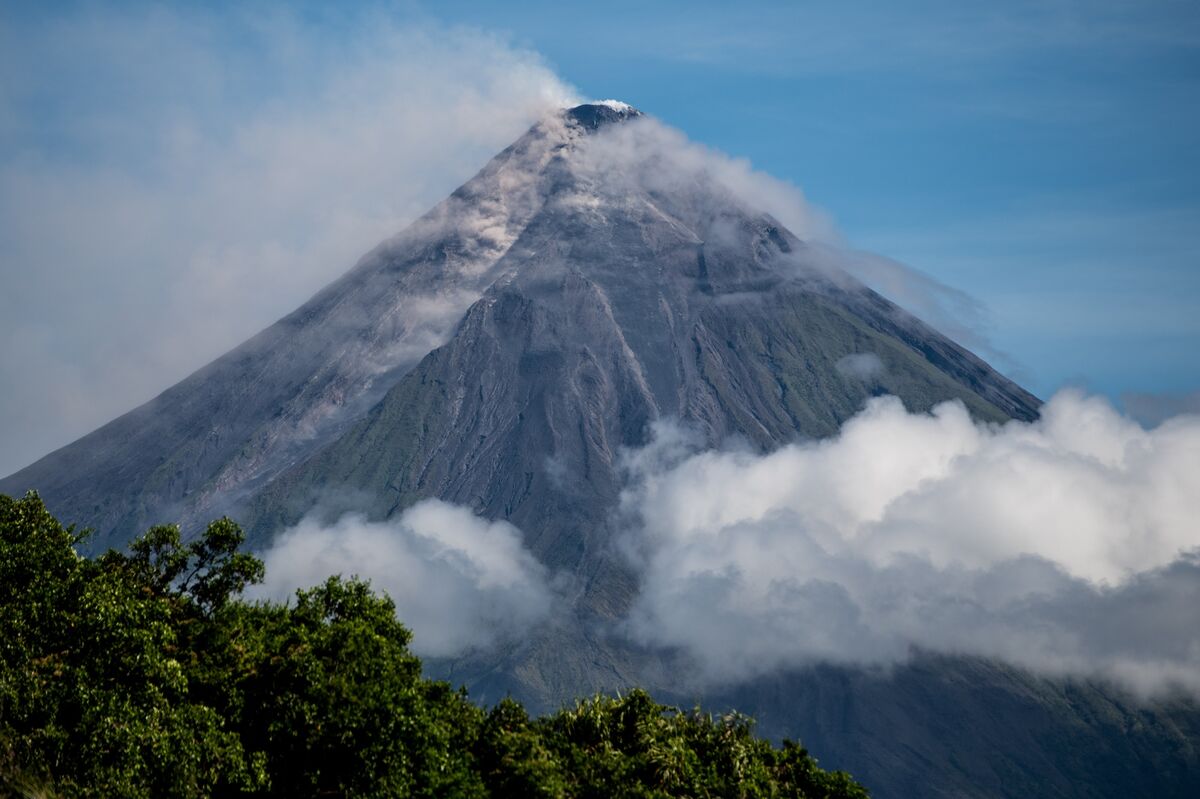
Mayon Volcano, a prominent stratovolcano in the Philippines, has recently erupted, leading to significant public safety measures and environmental impacts. The eruption has prompted authorities to initiate large-scale evacuations, particularly for residents residing within a designated danger zone. Concurrently, the volcanic activity has resulted in the widespread dispersal of ash and debris, affecting surrounding regions.
This event underscores the ongoing geological volatility of the Philippines, a nation situated within the Pacific Ring of Fire. The immediate focus for authorities is on ensuring the safety of affected populations and managing the environmental consequences of the ashfall. The eruption's progression and its broader implications for local communities and infrastructure are currently under close observation.
Key Facts
According to Bloomberg Markets, the Philippines reported on Sunday that thousands of people have been evacuated from the area south of Manila following the Mayon Volcano's eruption. This report also highlighted that authorities have advised the public to remain outside a six-kilometer radius danger zone. Al Jazeera further detailed the eruption, stating that the Mayon Volcano spewed a cloud of ash and debris. This ash and debris blanketed the region of Bicol, also located in the Philippines.
Both sources confirm the eruption of Mayon Volcano and the presence of ash and debris. Bloomberg Markets specifically noted the timing of the report as Sunday and the geographic scope of evacuations as south of Manila, alongside the specific six-kilometer danger zone. Al Jazeera provided the additional detail that the ash and debris specifically blanketed Bicol, offering a more localized description of the environmental impact.
Why This Matters
The eruption of May Mayon Volcano carries significant real-world implications, primarily affecting the safety, livelihood, and environment of thousands of residents in the Bicol region. The immediate threat of pyroclastic flows, lahars, and ballistic projectiles necessitates rapid and effective evacuation protocols, disrupting daily life and potentially displacing entire communities. The declaration of a six-kilometer danger zone, as reported by Bloomberg Markets, directly impacts residential areas and agricultural lands within this radius, leading to economic losses for farmers and businesses.
Beyond immediate safety concerns, the ashfall reported by Al Jazeera poses substantial health risks, including respiratory problems from inhaling fine volcanic ash, and can contaminate water sources and agricultural crops. This environmental impact can lead to long-term food security issues and economic hardship for communities reliant on agriculture. Furthermore, the disruption of transportation and communication infrastructure due to ashfall and evacuation efforts can isolate affected areas, complicating relief operations and economic recovery. The recurrent nature of Mayon's activity means that these communities live under constant threat, requiring robust disaster preparedness and mitigation strategies from both local and national governments.
Full Report
The Mayon Volcano in the Philippines has recently experienced an eruption, prompting immediate and extensive responses from national authorities. Bloomberg Markets reported that on Sunday, the Philippine government announced that thousands of individuals had been evacuated from the vicinity located south of Manila. This evacuation was a direct consequence of the volcano's activity, with authorities issuing a clear directive for the public to avoid entering a six-kilometer radius danger zone surrounding the volcano. This measure is critical for preventing casualties from potential hazards such as pyroclastic flows, rockfalls, and ashfall.
Al Jazeera provided a complementary account, focusing on the visual and environmental impact of the eruption. The outlet stated that the Mayon Volcano erupted, releasing a substantial cloud of ash and debris. This volcanic material subsequently spread across and blanketed the Bicol region of the Philippines. While Bloomberg Markets emphasized the official response and public safety measures, Al Jazeera highlighted the immediate environmental consequence and the geographical spread of the volcanic emissions, indicating a significant atmospheric event.
The two reports, while consistent in their core message of an eruption, offered slightly different focal points. Bloomberg Markets underscored the governmental action, specifically the scale of evacuations and the establishment of a danger zone, implying a focus on human impact and official response. Al Jazeera, conversely, emphasized the physical manifestation of the eruption through ash and debris blanketing a specific region, drawing attention to the environmental and visual aspects of the event. There were no conflicting details between the two sources, rather a difference in emphasis regarding the immediate consequences and governmental actions versus the environmental effects.
Context & Background
Mayon Volcano, located in the province of Albay on Luzon Island, is renowned for its near-perfect conical shape and is one of the most active volcanoes in the Philippines. Its activity is a direct result of the Philippines' location within the Pacific Ring of Fire, a horseshoe-shaped zone characterized by frequent earthquakes and volcanic eruptions due to the movement and collision of tectonic plates. Mayon has erupted over 50 times in the last 400 years, with its most destructive eruption occurring in 1814, which buried several towns and killed over 1,200 people.
Prior to this recent event, Mayon has exhibited periods of unrest, including effusive eruptions and phreatic explosions, which often lead to similar evacuation orders and alerts. The Philippine Institute of Volcanology and Seismology (PHIVOLCS) maintains a constant watch on Mayon, employing a multi-level alert system to inform the public and guide disaster preparedness. This historical context of frequent activity and the established monitoring systems underscore the preparedness measures taken by authorities, such as the declaration of danger zones and pre-emptive evacuations, which are standard protocols for managing the risks associated with Mayon's volatile nature.
What to Watch Next
Moving forward, monitoring the activity level of Mayon Volcano will be paramount. Authorities, particularly the Philippine Institute of Volcanology and Seismology (PHIVOLCS), will continue to issue regular bulletins regarding seismic activity, gas emissions, and any changes in the volcano's morphology. The public should watch for updates on the alert level, which dictates the severity of the threat and the extent of the danger zone. Any escalation in the alert level could trigger further evacuations or expand the affected areas.
Additionally, attention will be on the welfare of the evacuated populations. Reports on the conditions in evacuation centers, the provision of aid, and the timeline for residents to return to their homes will be crucial. The long-term environmental and agricultural impacts of the ashfall in Bicol will also require ongoing assessment, particularly concerning crop damage and potential health issues for residents in affected areas. The government's plans for rehabilitation and recovery efforts will be a key development to follow.
Source Attribution
This report draws on coverage from Bloomberg Markets and Al Jazeera.
Found this story useful? Share it:
Sources (2)
Bloomberg Markets
"Philippines Says Thousands Evacuated as Mayon Volcano Erupts"
May 3, 2026
Al Jazeera
"Philippines volcano erupts, blanketing ash across the sky"
May 2, 2026