Hong Kong Navigates Diplomatic Tensions Over Jimmy Lai and Record Trade Deficit Amid Global Shifts
Compiled from 2 Sources
This report draws on coverage from Google News Politics, Bloomberg and presents a structured, balanced account that notes where outlets differ in their reporting.
Key Points
- Hong Kong government criticized US politicians' 'absurd' resolution regarding media mogul Jimmy Lai, citing interference.
- The criticism underscores Hong Kong's stance against external influence in its judicial processes and internal affairs.
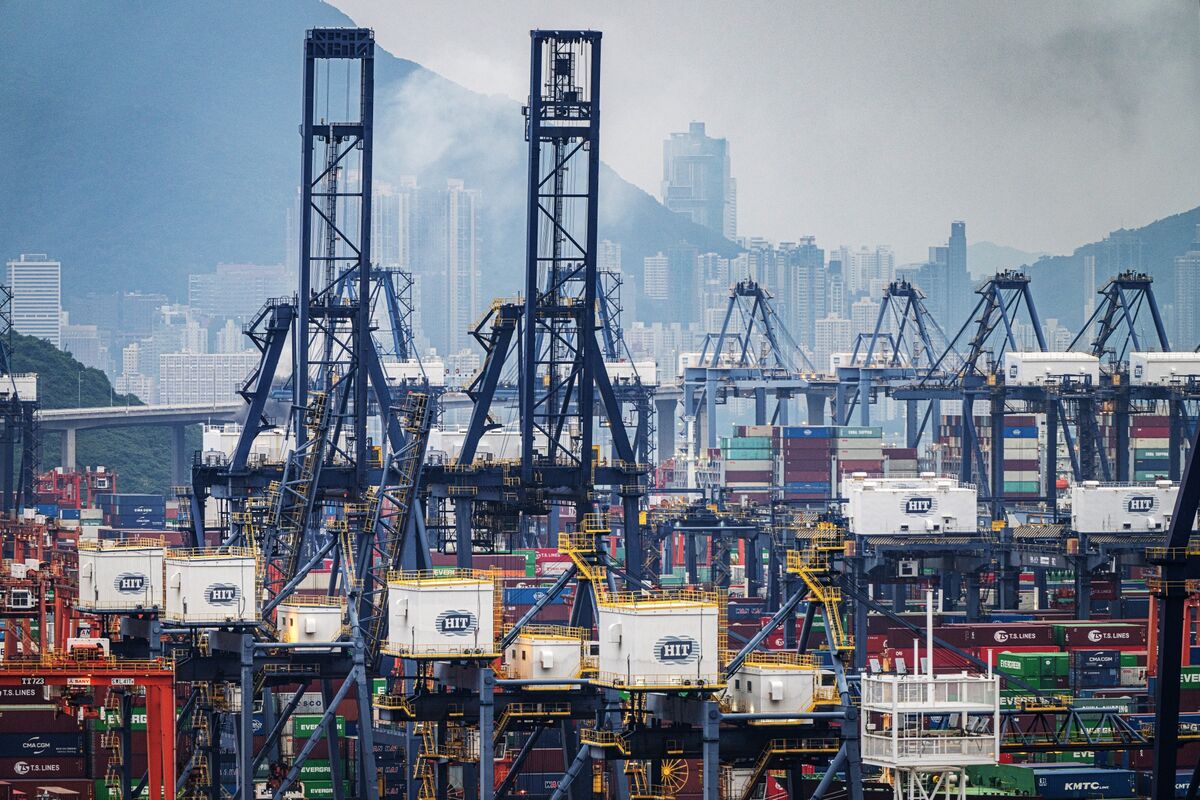
- Hong Kong recorded its widest trade deficit since 1952, a period of at least 74 years, driven by a surge in imports.
- The significant trade deficit is attributed to disruptions from the Middle East conflict and a global AI investment boom.
- The Jimmy Lai case remains a key point of international scrutiny regarding Hong Kong's rule of law and political freedoms.
- Economic data reflects Hong Kong's deep integration into the global economy and susceptibility to international events.
Introduction
Hong Kong is currently facing a dual challenge, grappling with both international political scrutiny regarding a high-profile legal case and significant economic shifts. The city's government has strongly condemned a resolution by US politicians concerning media mogul Jimmy Lai, labeling their actions as 'absurd' and an interference in its internal affairs. Simultaneously, Hong Kong's economy has registered its widest trade deficit in over seven decades, a development attributed to global investment trends in artificial intelligence and geopolitical disruptions.
These two distinct but concurrent developments highlight the complex pressures on Hong Kong, ranging from safeguarding its judicial autonomy against external influence to managing the economic repercussions of a rapidly evolving global landscape. The government's firm stance against foreign intervention underscores its commitment to its legal processes, while the unprecedented trade figures reflect broader international economic dynamics that are reshaping global trade patterns and investment flows.
Key Facts
According to Google News Politics, referencing the South China Morning Post, the Hong Kong government has criticized a resolution put forth by US politicians regarding Jimmy Lai. The government described this resolution as 'absurd' and an attempt to interfere with its internal affairs. This criticism specifically targets the US politicians' actions concerning the ongoing legal proceedings involving the media mogul.
Bloomberg reported that Hong Kong experienced its widest trade deficit in at least 74 years. This significant economic imbalance is attributed to a surge in imports. Bloomberg further noted that this import surge is a likely spillover from two major global factors: disruptions caused by the conflict in the Middle East and a global investment boom in artificial intelligence technology.
Why This Matters
The Hong Kong government's strong reaction to the US politicians' resolution regarding Jimmy Lai is significant because it underscores the ongoing geopolitical tensions surrounding the city's autonomy and judicial independence. Any perceived external interference in high-profile legal cases can be seen as challenging Hong Kong's sovereignty and legal framework, potentially straining international relations, particularly with Western nations. The outcome and handling of the Jimmy Lai case are closely watched globally as a barometer for the rule of law and political freedoms in Hong Kong following the implementation of the national security law. This diplomatic friction could impact Hong Kong's standing as an international financial and legal hub, influencing foreign investment and trust in its institutions.
Concurrently, the record-breaking trade deficit reported by Bloomberg is a critical economic indicator with far-reaching implications for Hong Kong's financial stability and future growth. A widening trade deficit, particularly one attributed to global investment in AI and geopolitical events, suggests a significant shift in the city's economic structure and trade relationships. While increased imports could signal robust domestic demand or investment, if not balanced by exports, it can lead to currency depreciation, depletion of foreign exchange reserves, and a drag on economic growth. For a highly open economy like Hong Kong, understanding the drivers of this deficit – whether it's a temporary surge in capital goods for AI development or a more structural imbalance – is crucial for policymakers to ensure long-term economic resilience and competitiveness in a rapidly changing global economy.
Full Report
The Hong Kong government has issued a sharp rebuke against US politicians, specifically condemning their resolution concerning media proprietor Jimmy Lai. According to Google News Politics, citing the South China Morning Post, the government characterized these actions as 'absurd' and a blatant interference in Hong Kong's internal affairs. This strong language signals the government's firm stance against what it perceives as external attempts to influence its judicial processes and sovereignty. The statement from the Hong Kong government underscores its commitment to upholding the rule of law within its jurisdiction, asserting that legal proceedings, such as those involving Lai, are purely domestic matters.
In a separate but equally significant development, Hong Kong's economy has registered an unprecedented trade deficit. Bloomberg reported that the city experienced its widest trade deficit in at least 74 years, a historical record dating back to 1952. This substantial deficit is primarily driven by a surge in imports. Bloomberg's analysis suggests that this increase in imports is a likely consequence of two major global phenomena: the disruptions stemming from the ongoing conflict in the Middle East and a worldwide investment boom in artificial intelligence technology. The report highlights how global events, both geopolitical and technological, are directly impacting Hong Kong's trade balance.
The framing of these events by the sources shows a clear distinction in focus. Google News Politics, through the South China Morning Post, emphasizes the political and diplomatic friction between Hong Kong and US politicians over judicial matters. Its report centers on the Hong Kong government's defensive posture regarding its autonomy. Bloomberg, on the other hand, focuses on the economic realities facing Hong Kong, particularly the impact of global supply chain disruptions and technological advancements on its trade figures. While the former highlights a political confrontation, the latter details an economic consequence, both of which are shaping Hong Kong's current trajectory.
These two reports, though covering different aspects, collectively paint a picture of a city navigating complex internal and external pressures. The government's robust response to the US resolution indicates a determination to project an image of sovereign control over its legal system, while the trade deficit figures reveal Hong Kong's deep integration into the global economy and its susceptibility to international economic and geopolitical shifts. The interplay between these political and economic forces will likely define Hong Kong's challenges and opportunities in the near future.
Context & Background
The criticism from the Hong Kong government regarding US politicians' resolution on Jimmy Lai is set against a backdrop of increasing scrutiny over the city's legal and political landscape following the implementation of the National Security Law in 2020. Jimmy Lai, founder of the now-defunct Apple Daily newspaper, is a prominent pro-democracy figure whose trial for alleged collusion with foreign forces has garnered significant international attention. Western governments and human rights organizations have frequently expressed concerns about the erosion of freedoms and the rule of law in Hong Kong, leading to diplomatic tensions with Beijing and the Hong Kong authorities. The Hong Kong government consistently maintains that these are internal judicial matters and that external commentary constitutes unwarranted interference in its affairs.
Economically, Hong Kong has historically thrived as a free port and an international financial center, relying heavily on trade and logistics. Its economic performance is inherently linked to global trade flows and geopolitical stability. The reported widest trade deficit since 1952, as noted by Bloomberg, reflects a significant deviation from its typical economic patterns. Previous periods of large deficits might have been linked to specific post-war reconstruction or major infrastructure development, but the current deficit is influenced by more contemporary global forces. The Middle East conflict has caused disruptions to global shipping routes and supply chains, increasing costs and affecting trade volumes. Concurrently, the global boom in artificial intelligence has led to massive investments in technology, data centers, and related infrastructure, which for a city like Hong Kong, could translate into a surge of imports for high-tech components, machinery, and specialized services, contributing to the deficit.
What to Watch Next
Moving forward, observers will closely monitor the diplomatic fallout from the Hong Kong government's condemnation of US politicians' resolution. Any further statements or actions from the US government or other international bodies regarding the Jimmy Lai case will be critical indicators of escalating or de-escalating tensions. The progression and eventual verdict of Jimmy Lai's trial will remain a key focus, as it is seen as a bellwether for judicial independence and political freedoms in Hong Kong. International reactions to the trial's outcome could further shape Hong Kong's diplomatic relations and its standing in the global community.
On the economic front, the trajectory of Hong Kong's trade deficit will be a crucial indicator. Policymakers will need to analyze whether the import surge is a temporary phenomenon driven by specific global investment cycles, such as the AI boom, or if it signals a more structural shift in Hong Kong's economic model. Future trade reports will reveal if the deficit narrows or widens, and the government's strategies to manage this imbalance, potentially through export promotion or diversification of trade partners, will be important to watch. Furthermore, the ongoing geopolitical situation in the Middle East and its impact on global supply chains will continue to influence Hong Kong's trade dynamics.
Source Attribution
This report draws on coverage from Google News Politics (referencing the South China Morning Post) and Bloomberg.
Found this story useful? Share it:
Sources (2)
Google News Politics
"Hong Kong government hits out at US politicians’ ‘absurd’ Jimmy Lai resolution - South China Morning Post"
December 6, 2025
Bloomberg
"Hong Kong Has Widest Trade Deficit Since 1952 in Echo of AI Boom"
April 29, 2026