China's Economic Performance Amidst Geopolitical Tensions and Domestic Challenges

Structured Editorial Report
This report is based on coverage from Al Jazeera English and has been structured for clarity, context, and depth.
Key Points
- China's economy has shown an unexpectedly strong start to the year, surpassing initial forecasts.
- This resilience occurs despite ongoing geopolitical conflicts involving the US, Israel, and Iran.
- Persistent challenges include weak domestic demand and structural risks within the economy.
- The real estate sector and local government debt remain significant internal vulnerabilities.
- The early economic momentum raises questions about its sustainability and underlying drivers.
- Global observers are monitoring China's ability to balance growth with necessary structural reforms.
Introduction
China's economy has demonstrated an unexpectedly strong start to the year, exceeding initial forecasts despite a complex global geopolitical landscape, particularly the ongoing conflict involving the US, Israel, and Iran. This resilience is noteworthy as it occurs against a backdrop of persistent internal economic challenges, including weak domestic demand and structural issues that continue to temper long-term growth prospects. The performance offers a nuanced view of China's economic stability, highlighting its ability to navigate external pressures while grappling with inherent vulnerabilities.
This robust beginning to the year provides a critical indicator of China's economic trajectory, influencing global markets and trade relations. The interplay between external geopolitical events and internal economic dynamics is central to understanding the current state and future outlook of the world's second-largest economy. Analysts are closely monitoring whether this early momentum can be sustained throughout the year, especially given the multifaceted pressures that could impact its stability and growth.
Key Facts
China's economic performance in the early part of the year surpassed expectations, indicating a degree of resilience in its vast and complex market. This positive start is contrasted by the persistent challenges of weak domestic demand, which has been a recurring concern for policymakers. Structural risks within the economy, such as those related to real estate and local government debt, also continue to pose significant hurdles to sustainable growth.
The conflict involving the US, Israel, and Iran has been identified as a major external factor, creating a volatile international environment. Despite these global tensions, China's economic indicators have shown strength, suggesting a decoupling or insulation from immediate adverse effects of these particular conflicts. The emphasis remains on understanding the underlying drivers of this unexpected growth and assessing whether it represents a fundamental shift or a temporary surge.
Why This Matters
China's economic trajectory holds immense global significance, influencing everything from international trade flows to commodity prices and geopolitical stability. A strong Chinese economy can act as a powerful engine for global growth, benefiting countries that rely on its demand for raw materials and manufactured goods. Conversely, any significant slowdown or instability in China could send ripple effects across the world, impacting supply chains, investment, and overall economic sentiment.
The ability of China's economy to beat expectations despite external conflicts, such as the one in the Middle East, demonstrates its unique position and potential for resilience, but also raises questions about the long-term sustainability of growth driven by external factors or specific sectors. For international businesses and investors, understanding these dynamics is crucial for strategic planning and risk assessment. Domestically, the persistence of weak demand and structural risks directly impacts the livelihoods of hundreds of millions of Chinese citizens, affecting employment, consumer confidence, and social stability. Policymakers face the delicate task of balancing growth targets with necessary structural reforms, a challenge that will shape China's future and its role on the global stage.
Full Report
China's economy has commenced the year with a stronger-than-anticipated performance, defying some of the more pessimistic forecasts that had emerged from ongoing global uncertainties. This early momentum is particularly notable given the backdrop of the conflict involving the US, Israel, and Iran, which has introduced significant volatility into international relations and energy markets. The resilience observed suggests that China's economic mechanisms may be more insulated from direct impacts of certain geopolitical flashpoints than previously assumed, or that other internal drivers are currently outweighing these external pressures.
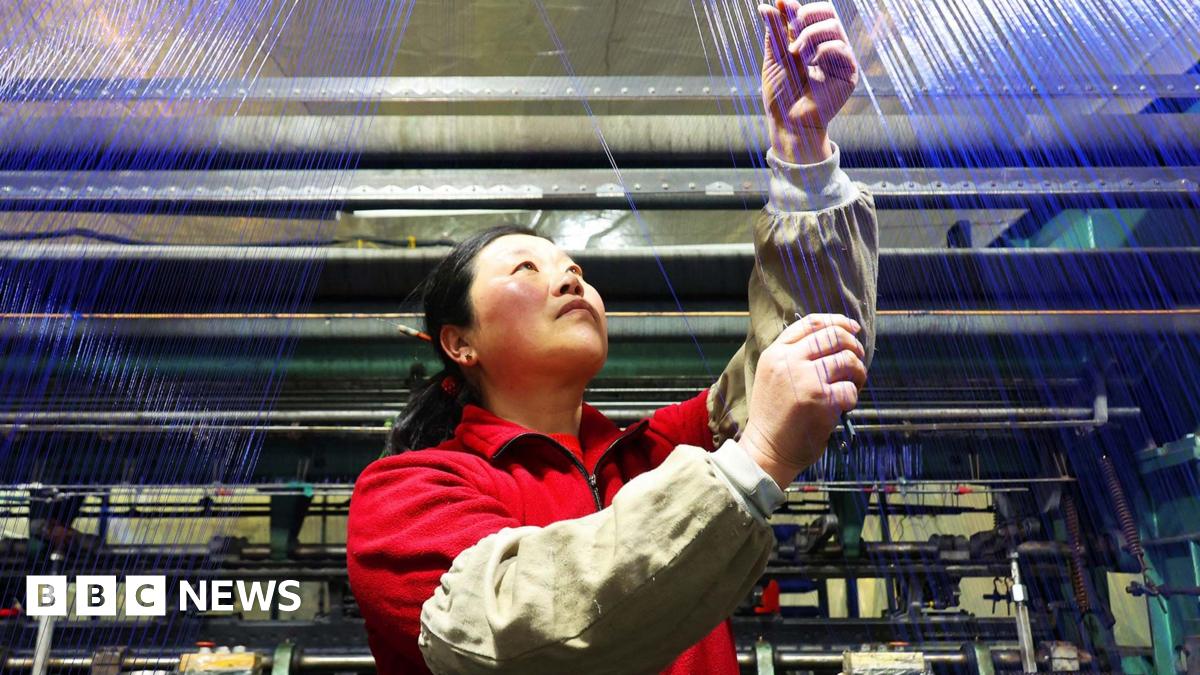
However, this positive start is tempered by persistent underlying issues that have long been a focus for economic analysts. Weak domestic demand continues to be a significant drag on potential growth, indicating that consumer confidence and spending have not fully recovered to pre-pandemic levels or are being constrained by other factors. This weakness in internal consumption patterns suggests that the economy's robust start might be more reliant on export performance or specific industrial sectors rather than broad-based domestic recovery.
Furthermore, structural risks within the Chinese economy remain a critical concern. These include, but are not limited to, challenges in the real estate sector, which has faced significant debt issues and declining property values, as well as concerns over local government debt. These structural vulnerabilities have the potential to undermine long-term stability and growth if not effectively addressed through comprehensive policy measures. The government's ability to implement reforms that stimulate sustainable domestic demand while mitigating these structural risks will be crucial for maintaining its economic trajectory.
The nuanced picture painted by China's current economic state – strong performance in the face of external conflict, yet burdened by internal demand and structural issues – highlights the complexity of managing such a vast economy. The interplay between global events and domestic policy responses will largely determine whether this initial positive momentum can translate into sustained, balanced growth throughout the year, impacting both its own population and the global economic landscape.
Context & Background
China's economic development over the past four decades has been characterized by unprecedented growth, transforming it into the world's second-largest economy and a major player in global trade and finance. This growth was largely fueled by export-led industrialization, massive infrastructure investment, and a burgeoning domestic market. However, this rapid expansion also led to the accumulation of structural imbalances, including an over-reliance on investment and exports, alongside the rise of significant debt levels in both corporate and local government sectors.
The period leading up to the current strong economic start has been marked by several challenges. The COVID-19 pandemic severely disrupted global supply chains and domestic economic activity, leading to periods of strict lockdowns and subsequent uneven recovery. Post-pandemic, China has grappled with a property sector downturn, which has had ripple effects across the financial system and consumer confidence. Simultaneously, geopolitical tensions, particularly with the United States, have escalated, leading to trade disputes and technological competition, further complicating China's external economic environment.
Against this backdrop, the current geopolitical situation, including the conflict involving the US, Israel, and Iran, adds another layer of complexity. While not directly involved, such conflicts can impact global energy prices, trade routes, and investor sentiment, creating an indirect but tangible influence on China's economic calculations. The observed economic resilience, therefore, needs to be understood within this broader context of ongoing domestic restructuring efforts and a volatile international arena.
What to Watch Next
Observers should closely monitor several key indicators and policy developments in China to ascertain the sustainability of its early-year economic strength. Upcoming releases of manufacturing Purchasing Managers' Index (PMI) data, industrial output figures, and retail sales reports will provide further insights into both external demand and the crucial domestic consumption trends. These monthly statistics offer timely snapshots of economic health and the effectiveness of government stimulus measures.
Additionally, attention should be paid to any new policy announcements from the National People's Congress (NPC) and the Chinese Communist Party's Politburo, particularly regarding measures aimed at stimulating domestic demand, addressing the property sector's challenges, and managing local government debt. Specific reforms targeting consumer confidence and investment in strategic industries will be critical. The trajectory of global geopolitical tensions, especially those affecting energy markets and international trade routes, will also continue to be a significant external factor influencing China's economic outlook throughout the remainder of the year.
Source Attribution
This report draws on coverage from Al Jazeera English.
Found this story useful? Share it:
Sources (1)
Al Jazeera English
"Is China a winner of the Iran war or facing economic risks?"
April 22, 2026