Strait of Hormuz Status Disputed Amid International Military Offers and Oil Price Fluctuations
Compiled from 4 Sources
This report draws on coverage from Fortune, CBS News, Bloomberg and presents a structured, balanced account that notes where outlets differ in their reporting.
Key Points
- On April 17, Iran and the White House both declared the Strait of Hormuz "completely open," as reported by Fortune.
- Benchmark crude oil prices fell below $90 per barrel for the first time since early in the period following the declarations (Fortune).
- A European-led coalition offered military help to secure safe passage through the Strait of Hormuz (Bloomberg).
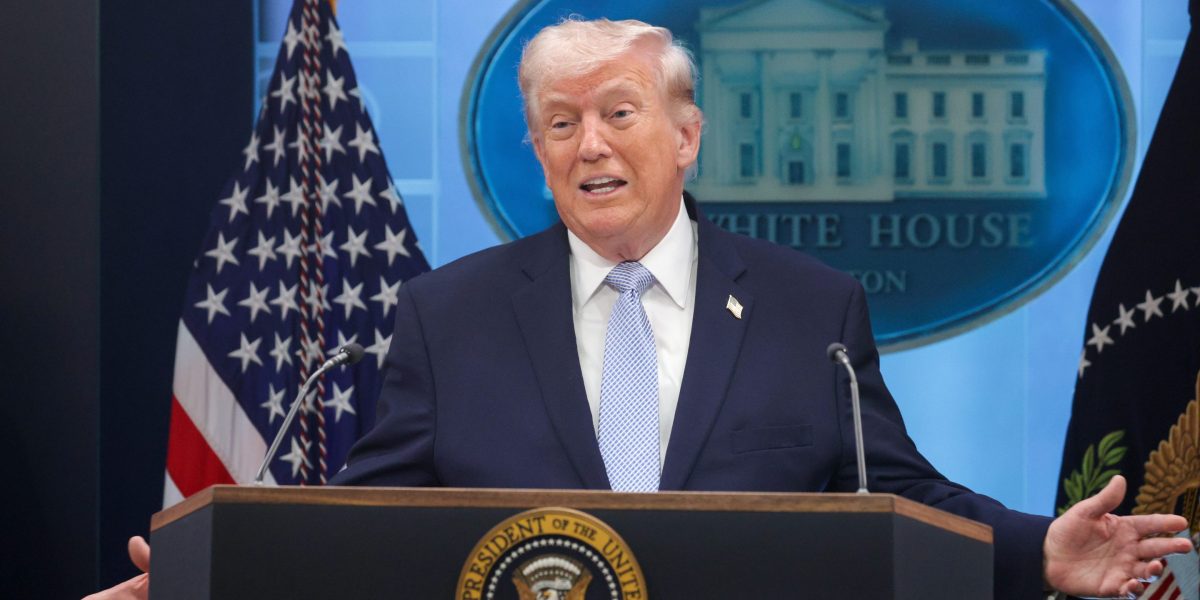
- U.S. President Donald Trump stated the Strait of Hormuz is open but warned a U.S. blockade would continue (CBS News, Bloomberg).
- The situation presents conflicting narratives: declared openness versus an ongoing blockade and international military offers.
- The Strait of Hormuz is a critical global chokepoint for oil transport, impacting international energy markets and geopolitics.
Introduction
Recent developments concerning the Strait of Hormuz, a critical global shipping lane, have presented a complex and at times contradictory narrative regarding its operational status. On April 17, both Iran and the White House issued statements declaring the strait "completely open," a pronouncement that coincided with a notable drop in benchmark crude oil prices. However, this apparent consensus was immediately complicated by subsequent statements and actions from international actors, including European leaders and the U.S. President, indicating ongoing tensions and security concerns. The situation highlights the strategic importance of the waterway and the divergent perspectives of key global players regarding its security and accessibility.
The declarations from Iran and the White House on April 17 suggested a de-escalation or resolution regarding the strait's status. This joint assertion, as reported by Fortune, was followed by a significant market reaction, with crude oil prices falling below $90 per barrel for the first time since early in the period. Yet, the underlying geopolitical dynamics appear to remain highly charged, with external parties offering military support and the U.S. maintaining a firm stance on its blockade policies, despite the declared openness of the strait. This confluence of events underscores the volatile nature of the region and the critical economic and political stakes involved.
Key Facts
On April 17, Iran and the White House both stated that the Strait of Hormuz was "completely open," as reported by Fortune. This declaration led to benchmark crude oil prices dropping below $90 per barrel, marking the first instance of such a price point since early in the period, according to Fortune. Simultaneously, European leaders offered military assistance to secure safe passage through the Strait of Hormuz, as detailed by Bloomberg. This offer came hours after Iran's statement regarding the waterway's openness, Bloomberg noted. U.S. President Donald Trump, however, warned that a U.S. blockade would continue, a detail mentioned by Bloomberg and further elaborated upon by CBS News in its headline regarding Trump's statement that the Strait of Hormuz is open but the U.S. blockade will continue.
CBS News also published headlines indicating further details on Trump's latest announcement regarding the Strait of Hormuz. The specific content of these CBS News articles was not provided beyond copyright notices, suggesting that while CBS News covered Trump's statements, the explicit details of his rationale or the specifics of the ongoing blockade were not made available in the provided excerpts. The Bloomberg report explicitly linked the European military offer to Iran's announcement, highlighting the international community's immediate response to the evolving situation. The contradictory nature of the strait being declared 'open' by some while a blockade is maintained by others, and military aid is offered, forms the core factual tension.
Why This Matters
The Strait of Hormuz is one of the world's most vital maritime chokepoints, through which a significant portion of global oil supplies passes daily. Its operational status directly impacts international energy markets, global trade, and geopolitical stability. Any disruption or perceived threat to navigation in the strait can trigger immediate and widespread economic repercussions, as evidenced by the fluctuation in crude oil prices following the recent announcements. The security of this waterway is paramount not only for oil-importing nations but also for global economic stability, making the conflicting reports on its status a matter of significant international concern.
Furthermore, the involvement of multiple international actors—Iran, the U.S., and European leaders—underscores the complex web of political and security interests converging on this strategic location. The U.S. maintaining a blockade while simultaneously Iran and the White House declare the strait open creates an environment of uncertainty and potential for miscalculation. This situation affects shipping companies, insurance markets, and ultimately, consumers worldwide through potential energy price volatility. The ongoing military presence and offers of assistance from European nations indicate a proactive stance to safeguard international commerce, reflecting the high stakes involved in ensuring unimpeded passage through the strait.
The broader implications extend to regional security and diplomatic relations. The Strait of Hormuz has historically been a flashpoint for tensions between Iran and Western powers. The current situation, with its mixed signals, could either pave the way for de-escalation through dialogue and international cooperation or exacerbate existing frictions. The differing interpretations of the strait's status highlight a fundamental disagreement on sovereignty, international law, and regional influence, which could have lasting impacts on the balance of power in the Middle East and beyond. The international community's response, particularly the European military offer, signals a collective recognition of the strait's indispensable role in global affairs.
Full Report
On April 17, a notable development occurred concerning the Strait of Hormuz, with both Iran and the White House issuing statements declaring the crucial waterway "completely open." This joint declaration, as reported by Fortune, was immediately followed by a significant market reaction: benchmark crude oil prices plunged below $90 per barrel, marking the first time such a price point had been reached since early in the period. This suggests a perceived easing of tensions or a resolution to previous concerns regarding the strait's accessibility, at least from the perspective of market sentiment.
However, the situation quickly became more complex, with other international actors presenting a different picture. Hours after Iran's announcement of the strait's openness, a European-led coalition offered military assistance to secure safe passage through the Strait of Hormuz, according to Bloomberg. This offer indicates that despite the declarations from Iran and the White House, there remained significant international concern regarding the security of navigation in the strait. Bloomberg further reported that this European initiative came even as U.S. President Donald Trump issued a warning, stating that a U.S. blockade would continue.
The continuation of a U.S. blockade, despite the declarations of the strait being open, was also highlighted by CBS News. One CBS News headline explicitly stated, "Trump says Strait of Hormuz is open but U.S. blockade will continue." Another CBS News headline referenced "Key details on Trump's latest Strait of Hormuz announcement," suggesting that President Trump's statements contained nuances or specific conditions that were not fully elaborated upon in the provided excerpts. The discrepancy between the declared openness and the ongoing blockade, coupled with the offer of military aid, illustrates a fragmented and potentially contradictory international response to the situation in the Strait of Hormuz. Fortune's report emphasized the immediate economic impact of the initial declarations, while Bloomberg and CBS News focused on the ongoing geopolitical tensions and the U.S. stance, indicating a difference in framing and emphasis among the outlets.
Context & Background
The Strait of Hormuz is a narrow, strategically important waterway situated between the Persian Gulf and the Gulf of Oman. It is bordered by Iran to the north and the United Arab Emirates and Oman to the south. Historically, the strait has been a focal point for geopolitical tensions, particularly involving Iran, due to its critical role in global energy transport. Approximately one-fifth of the world's total oil consumption and a significant portion of liquefied natural gas (LNG) pass through this chokepoint daily, making its security indispensable for global energy markets and the world economy. Past incidents, including tanker attacks and naval confrontations, have repeatedly underscored its vulnerability and strategic significance.
In recent years, tensions in the region have periodically escalated, often linked to international sanctions against Iran, its nuclear program, and its regional activities. Iran has, at various times, threatened to close the strait in response to perceived aggressions or economic pressures, leading to international condemnation and increased military presence from the U.S. and its allies. These threats, even if not fully realized, have consistently caused spikes in oil prices and heightened concerns about global supply chain disruptions. The current situation must be viewed within this broader context of ongoing geopolitical friction and the strait's enduring role as a flashpoint.
The continuous presence of international naval forces, including those from the United States, in the waters surrounding the Strait of Hormuz is a long-standing feature of the region's security landscape. These forces are typically deployed to ensure freedom of navigation and deter potential threats to commercial shipping. The European-led coalition's offer of military help, as reported by Bloomberg, reflects a continuation of international efforts to safeguard this critical maritime route, building on decades of similar deployments and multilateral security initiatives aimed at maintaining stability in a volatile region. This historical context of recurring tensions and international security efforts is crucial for understanding the current declarations and responses.
What to Watch Next
Future developments surrounding the Strait of Hormuz will likely hinge on several key areas. Observers should monitor any further statements or actions from Iran regarding its interpretation of the strait's status and its engagement with international shipping. The specifics of the U.S. blockade, as mentioned by CBS News and Bloomberg, including its scope, duration, and any conditions for its cessation, will be crucial. Clarification on President Trump's detailed announcement, as referenced by CBS News, could provide further insight into the U.S. position.
Additionally, the implementation and scope of the European-led military coalition's offer of assistance, as reported by Bloomberg, will be important to track. This includes details on contributing nations, the nature of their military presence, and their rules of engagement. Any changes in global crude oil prices, particularly in response to these geopolitical developments, will serve as an economic indicator of market confidence in the strait's security. Diplomatic efforts, if any, to bridge the gap between the declared openness and the ongoing blockade will also be a critical area for observation in the coming weeks and months.
Source Attribution
This report draws on coverage from Fortune, CBS News, and Bloomberg.
Found this story useful? Share it:
Sources (4)
Fortune
"Iran and White House say the Strait of Hormuz is ‘completely open.’ But it definitely isn’t—at least for now"
April 17, 2026
CBS News
"Trump says Strait of Hormuz is open but U.S. blockade will continue"
April 17, 2026
Bloomberg
"European Leaders Offer Military Help to Secure Strait of Hormuz"
April 17, 2026