
FSSAI Mandates Strict Enforcement of Calcium Carbide Ban for Fruit Ripening Across India
Structured Editorial Report
This report is based on coverage from Smartbusinesnews.com and has been structured for clarity, context, and depth.
Key Points
- FSSAI has directed all states and Union Territories to strictly enforce the ban on calcium carbide for artificial fruit ripening.
- Calcium carbide is prohibited under Food Safety and Standards Regulations, 2011, due to toxic byproducts like arsenic and phosphorus hydrides.
- Ethylene gas (up to 100 ppm under GMP) is the only approved alternative for fruit ripening in India.
- The directive mandates increased surveillance, sampling, testing, and prosecution of offenders across the supply chain.
- States are required to conduct awareness campaigns for traders and consumers about the dangers of calcium carbide and safe alternatives.
- The move aims to protect public health from toxic residues and promote fair, safe practices in the fruit market.
Introduction
The Food Safety and Standards Authority of India (FSSAI) has issued a directive to all states and Union Territories, emphasizing the stringent enforcement of regulations prohibiting the use of calcium carbide for artificial fruit ripening. This move underscores a renewed commitment to public health and consumer safety, addressing long-standing concerns about the harmful effects of this chemical. The directive, issued on April 18, aims to curb the widespread illegal practice that poses significant health risks to consumers and compromises the quality of produce.
The FSSAI's instruction highlights the critical need for coordinated action between central and state food safety authorities. It specifically targets the supply chain from farms to markets, urging heightened vigilance and punitive measures against offenders. This comprehensive approach is designed to ensure that fruits available to the public are ripened through natural or approved methods, safeguarding the nutritional integrity and safety of food products.
Key Facts
On April 18, the FSSAI formally directed all state and Union Territory food safety commissioners to intensify efforts against the use of calcium carbide for fruit ripening. The directive explicitly prohibits the use of this chemical under the Food Safety and Standards (Prohibition and Restrictions on Sales) Regulations, 2011, which designates it as a banned substance for this purpose. The FSSAI has also outlined approved alternatives, such as ethylene gas, which is permitted at concentrations up to 100 ppm, provided it adheres to Good Manufacturing Practices (GMP).
The enforcement drive mandates regular surveillance, sampling, and testing of fruits across various market points, including wholesale and retail outlets. States are required to conduct awareness campaigns to educate both traders and consumers about the dangers of calcium carbide and the availability of safe ripening alternatives. The FSSAI's communication specifically references its previous advisory dated November 2023, indicating a sustained and escalating focus on this issue.
Why This Matters
The FSSAI's renewed directive is profoundly significant for public health and the integrity of India's food supply chain. Calcium carbide, when used for artificial ripening, reacts with moisture to produce acetylene gas, which mimics the natural ripening hormone ethylene. However, this process often leaves behind traces of arsenic and phosphorus hydrides, both highly toxic substances. Chronic exposure to these chemicals can lead to severe health issues, including neurological disorders, digestive problems, skin lesions, and even cancer, making this a critical public health concern affecting millions of consumers daily.
Economically, the ban and its enforcement aim to level the playing field for farmers and traders who adhere to safe, ethical practices. The use of illegal ripening agents offers an unfair advantage by allowing faster market entry for produce, often at the expense of quality and safety. By strictly enforcing the ban, the FSSAI supports sustainable agricultural practices and promotes consumer trust in the quality of locally sourced fruits. Socially, this initiative empowers consumers with safer food choices and raises awareness about food adulteration, fostering a more informed and health-conscious populace. The directive also highlights the broader challenge of ensuring food safety in a large, diverse country, emphasizing the need for robust regulatory oversight and public engagement.
Full Report
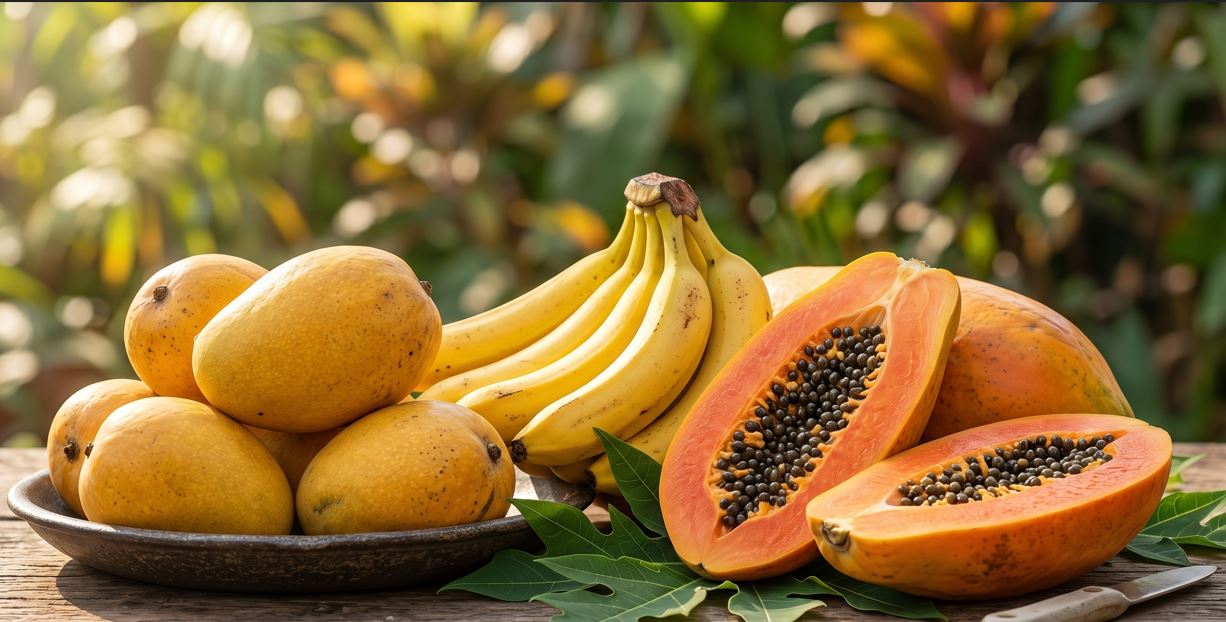
The Food Safety and Standards Authority of India (FSSAI) has taken a decisive step to reinforce its stance against the illicit use of calcium carbide for fruit ripening, issuing a comprehensive directive to all state and Union Territory food safety commissioners. This directive, dated April 18, mandates rigorous enforcement of existing regulations that prohibit the chemical, which is often employed to prematurely ripen fruits such as mangoes, bananas, and papayas, particularly during peak seasons. The FSSAI's communication underscores the urgent need to protect consumers from the adverse health effects associated with residues of arsenic and phosphorus hydrides, byproducts of calcium carbide's reaction with moisture.
The regulatory framework, specifically the Food Safety and Standards (Prohibition and Restrictions on Sales) Regulations, 2011, explicitly bans calcium carbide for ripening purposes. In contrast, the FSSAI permits the use of ethylene gas, a natural plant hormone, as a safe alternative, provided it is applied under controlled conditions and adheres to Good Manufacturing Practices (GMP), with concentrations not exceeding 100 ppm. This distinction is crucial, as ethylene promotes natural ripening without introducing harmful contaminants.
To ensure compliance, the FSSAI has instructed state authorities to escalate surveillance activities across the entire supply chain. This includes conducting regular inspections at farms, cold storage facilities, wholesale markets, and retail outlets. Food safety officers are tasked with collecting samples for laboratory testing to detect the presence of calcium carbide residues. Furthermore, the directive emphasizes the importance of prosecuting offenders under the provisions of the Food Safety and Standards Act, 2006, which carries penalties for violations related to food adulteration and unsafe practices.
Beyond enforcement, the FSSAI has called for extensive public awareness campaigns. These campaigns are intended to educate both fruit traders about safe ripening alternatives and consumers about how to identify artificially ripened fruits and the associated health risks. This dual approach of stringent enforcement coupled with public education aims to create a deterrent effect and foster a culture of food safety, ultimately protecting the health of the nation's populace. The directive builds upon previous advisories, signaling a sustained and intensified regulatory focus on this critical food safety issue.
Context & Background
The issue of artificial fruit ripening using calcium carbide is not new in India; it has been a persistent challenge for food safety regulators for several decades. The practice gained traction due to its ability to accelerate the ripening process, allowing traders to bring produce to market faster and potentially reduce spoilage, especially during transportation over long distances. However, the severe health implications of calcium carbide were recognized early on, leading to its prohibition under various food safety laws, culminating in its explicit ban under the Food Safety and Standards (Prohibition and Restrictions on Sales) Regulations, 2011.
Despite the legal prohibition, enforcement has historically been challenging due to the decentralized nature of agricultural markets and the economic incentives for quick ripening. Previous efforts by the FSSAI and state food departments have included sporadic raids and awareness drives, but the practice has continued to resurface, particularly during peak fruit seasons. The FSSAI's repeated advisories, including one in November 2023, underscore the ongoing nature of this problem and the need for continuous, rigorous oversight. The current directive represents an escalation of these efforts, aiming to establish a more permanent and effective deterrent against the use of this harmful chemical.
What to Watch Next
Following this directive, stakeholders should closely monitor the implementation efforts by state and Union Territory food safety authorities. Key indicators will include the frequency and scope of market surveillance operations, the number of samples collected and tested, and the enforcement actions taken against non-compliant traders. Consumers and advocacy groups will be watching for tangible improvements in the safety of fruits available in markets, especially as major fruit seasons approach.
Furthermore, attention should be paid to the effectiveness and reach of the public awareness campaigns mandated by the FSSAI. The success of these campaigns in educating both traders and consumers will be crucial in shifting practices and demand. Any proposed amendments to existing regulations or new guidelines regarding approved ripening agents and their application will also be important developments to track, as the FSSAI continues its efforts to ensure food safety across the nation.
Source Attribution
This report draws on coverage from Smartbusinesnews.com.
Found this story useful? Share it:
Sources (1)
Smartbusinesnews.com
"FSSAI Directs States to Enforce Ban on Calcium Carbide for Fruit Ripening"
April 18, 2026