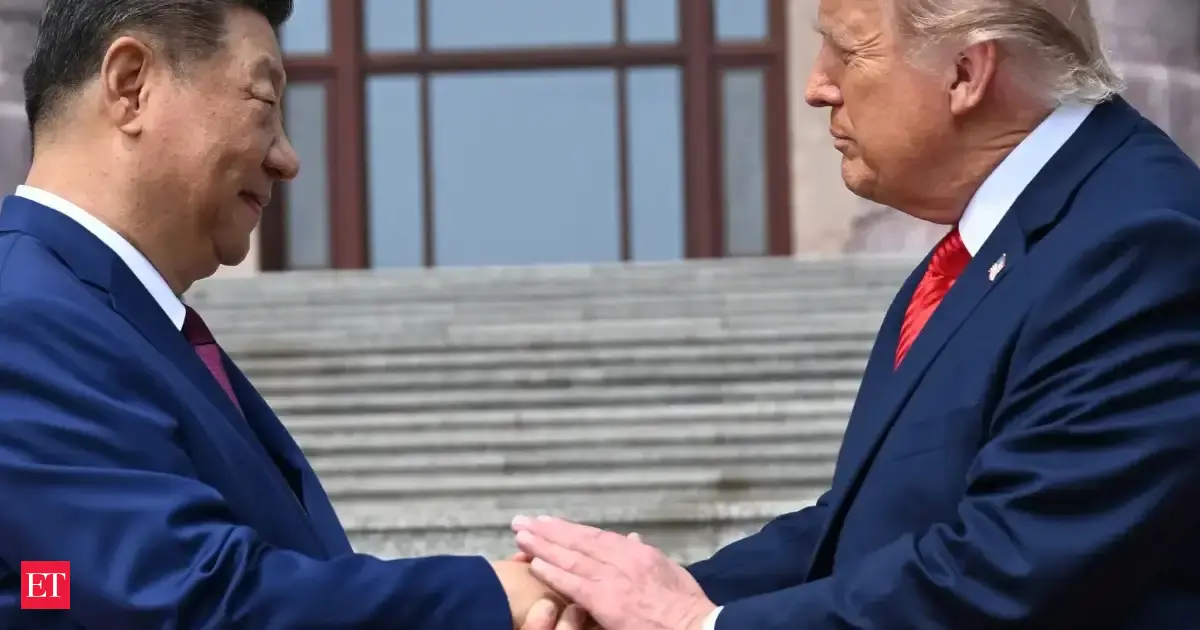
Trump's Beijing Summit Draws Varied Reactions from US China Experts and Chinese-American Community
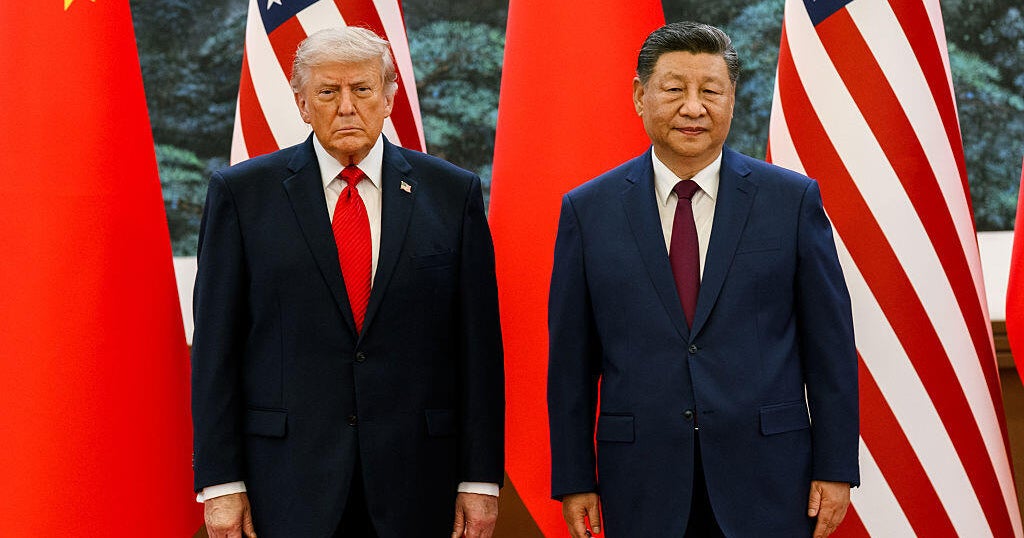
Compiled from 2 Sources
This report draws on coverage from BBC News, CBS News and presents a structured, balanced account that notes where outlets differ in their reporting.
Key Points
- President Trump's state visit to China for a summit with President Xi Jinping was a key diplomatic event.
- BBC News reported a lack of strong reaction from US China experts, suggesting summits may not alter deep-seated issues.
- CBS News highlighted 'palpable excitement' within the Chinese community in Queens, New York City.
- The Queens community expressed a belief that 'A strong U.S. and a strong China benefits everyone.'
- Sources differ in emphasis: BBC on expert analysis, CBS on community impact and optimism.
- The varying reactions underscore differing perceptions of the summit's significance and potential outcomes.
- Future developments will be shaped by trade negotiations and coordinated efforts on North Korea.
Introduction
President Donald Trump's state visit to China for a summit with Chinese President Xi Jinping generated diverse reactions, particularly among US-based China experts and the Chinese-American community. While the BBC News coverage indicated a notable lack of strong reaction from China experts in the US, suggesting a perceived routine nature or limited impact of such high-level meetings, CBS News highlighted palpable excitement within the Chinese community in Queens, New York City. This contrast underscores differing perspectives on the significance and outcomes of the diplomatic engagement between the two global powers.
The summit aimed to address critical bilateral issues, including trade imbalances, North Korea's nuclear program, and broader geopolitical dynamics. The differing responses from various US constituencies illustrate the complex and multifaceted nature of US-China relations, where official diplomatic efforts are viewed through distinct lenses depending on expertise and community ties. The perceived impact of presidential summits on long-standing issues like those between the US and China often varies widely among observers.
Key Facts
President Trump's state visit to China included a summit with Chinese President Xi Jinping (CBS News). This high-level diplomatic engagement was a significant event in the bilateral relationship between the United States and China. According to BBC News, China experts in the US displayed a lack of strong reaction to the trip, suggesting that such presidential summits are not always seen as transformative for deeply entrenched issues. The BBC noted that even numerous summits might not alter fundamental challenges in the relationship.
In contrast, CBS News reported that the Chinese community in Queens, New York City, exhibited palpable excitement regarding the Trump-Xi summit. This excitement was encapsulated by a sentiment expressed within the community: "A strong U.S. and a strong China benefits everyone" (CBS News). This statement reflects a desire for positive and stable relations between the two nations, particularly from the perspective of a community with direct ties to both countries. The CBS report specifically mentioned New York City, focusing on local community reactions to a global event.
Where Sources Differ
Our analysis of how different outlets reported this story
- **Emphasis on Stakeholder Groups:** BBC News frames the lack of reaction from "China experts in the US" as a key takeaway, while CBS News emphasizes the "palpable excitement amongst the Chinese community in the Queens neighborhood," which matters because BBC focuses on analytical, policy-oriented perspectives, while CBS highlights the human and community impact of the diplomatic event.
- **Perception of Summit Impact:** BBC News frames the summit as potentially having limited impact on long-standing issues, stating that "even if you had 50 presidential summits... it still wouldn't change the fact that there are some issues," while CBS News frames the summit as a source of optimism and benefit, quoting "A strong U.S. and a strong China benefits everyone," which matters because BBC suggests a more cynical or realistic view of diplomatic efficacy, whereas CBS reflects a hopeful outlook on the potential for positive outcomes.
Why This Matters
This divergence in reaction highlights how high-level diplomatic engagements, such as a presidential summit, are perceived differently by various stakeholders, directly affecting their expectations and interpretations of outcomes. The "China experts in the US," as reported by the BBC, are directly affected by the perceived effectiveness of diplomatic efforts in shaping policy and geopolitical stability. If summits are viewed as largely symbolic without substantive change, it can influence policy recommendations and public discourse among this group, potentially leading to a more critical assessment of US-China relations.
The Chinese community in Queens, highlighted by CBS News, is directly affected by the overall stability and strength of the US-China relationship, as their livelihoods, cultural ties, and sense of identity often span both nations. Concrete consequences for this group include potential impacts on trade, immigration policies, and cultural exchange, which can either foster greater integration and economic opportunity or create anxieties if relations deteriorate. The measurable impact of positive relations could manifest in increased business opportunities, easier travel, and reduced discrimination, while strained relations could lead to economic downturns or social tensions within the community.
The differing reactions set a precedent for how future high-level interactions between the US and China might be framed and received. If expert communities consistently view summits as having minimal impact, it could shift the focus of policy debates towards more structural or long-term strategies rather than immediate diplomatic breakthroughs. Conversely, if communities with strong ties to both nations continue to express hope, it underscores the persistent desire for constructive engagement, regardless of expert skepticism. This dual perspective influences public opinion and political pressure on policymakers, shaping the landscape of US-China diplomacy moving forward.
Full Report
President Donald Trump's state visit to China for a summit with Chinese President Xi Jinping elicited varied responses from different segments of the US population. BBC News reported a notable lack of strong reaction from China experts in the United States. This subdued response, according to the BBC, was not surprising to these experts, who suggested that even numerous presidential summits might not significantly alter the deep-seated issues present in the US-China relationship. The implication from the BBC's reporting is that these experts view the challenges between the two nations as fundamental and not easily resolved by high-level meetings alone.
In stark contrast, CBS News documented a palpable excitement within the Chinese community residing in Queens, New York City, regarding the Trump-Xi summit. This community's reaction was characterized by optimism for the potential benefits of strong relations between the two global powers. A sentiment articulated within this community, as reported by CBS News, was that "A strong U.S. and a strong China benefits everyone." This perspective highlights the direct personal and communal stakes for individuals with ties to both nations, who often seek stability and cooperation between their countries of origin and residence.
The BBC's framing suggests a more detached, analytical assessment of the summit's potential impact on policy and geopolitical dynamics. Their focus on the expert community indicates an emphasis on the long-term, structural nature of US-China issues. Conversely, CBS News's report emphasizes the immediate, emotional, and community-level response, focusing on how diplomatic events resonate with groups directly affected by bilateral relations. While BBC hints at the routine nature of such high-level meetings in the grand scheme of US-China relations, CBS underscores the hope and expectation for positive outcomes from the perspective of a specific diaspora community.
Context & Background
The relationship between the United States and China is one of the most complex and consequential bilateral relationships in global politics, characterized by a mix of cooperation, competition, and occasional confrontation. Historically, this relationship has evolved from Cold War-era isolation to a period of engagement and economic interdependence, particularly following China's economic reforms and its entry into the World Trade Organization. Issues such as trade imbalances, intellectual property rights, human rights, cybersecurity, and geopolitical influence in regions like the South China Sea and over North Korea's nuclear program have consistently been points of tension.
Presidential summits between the leaders of the US and China are regular, albeit high-stakes, occurrences designed to manage these complex issues, foster dialogue, and sometimes achieve specific agreements. These meetings often serve as barometers for the overall health of the relationship, with outcomes closely scrutinized by international observers, policymakers, and affected communities. The period leading up to Trump's visit was marked by increasing rhetoric regarding trade deficits and geopolitical competition, setting a challenging backdrop for the discussions.
For communities like the Chinese diaspora in the US, the state of US-China relations holds significant personal and economic relevance. Many maintain strong cultural, familial, and business ties with China, making the stability and prosperity of both nations directly impactful on their lives. Therefore, diplomatic engagements are not merely abstract political events but have tangible implications for their identity, opportunities, and sense of security, leading to varied and often deeply felt reactions to such high-level interactions.
What to Watch Next
Future developments in US-China relations will likely be influenced by ongoing trade negotiations, with specific attention to any announcements or agreements stemming from the next round of high-level economic dialogues, which typically occur quarterly. Observers should monitor statements from the US Trade Representative's office and China's Ministry of Commerce for indications of progress or new tariffs. Additionally, the rhetoric and policy decisions concerning North Korea's denuclearization efforts will be a critical trigger event; any significant change in North Korea's posture or a new round of multilateral talks would compel a coordinated response from both Washington and Beijing.
Furthermore, the upcoming annual Shangri-La Dialogue in Singapore, usually held in June, will provide a platform for defense officials from both nations to articulate their security perspectives. Any bilateral meetings or public remarks by US and Chinese defense ministers at this forum will offer measurable signals regarding military-to-military relations and regional stability. Watch for specific policy proposals or joint statements that could emerge from these interactions, as they often precede or follow broader diplomatic shifts.
Source Attribution
This report draws on coverage from BBC News and CBS News.
Found this story useful? Share it:
Sources (2)
CBS News
"A Chinese community in the U.S. reacts to the Trump-Xi Beijing summit: "A strong U.S. and a strong China benefits everyone""
May 14, 2026