Trump Seeks Xi's Assistance on Iran Amid Tehran's Defiant Stance

Compiled from 2 Sources
This report draws on coverage from USA Today, Al Jazeera English and presents a structured, balanced account that notes where outlets differ in their reporting.
Key Points
- President Trump expressed hope that Chinese President Xi Jinping could help resolve the "Iran war" during his Beijing visit.
- USA Today reported Trump's optimistic view on Xi's potential role in ending the conflict with Iran.
- Iran's Foreign Minister Abbas Araghchi stated that Iranians will not "bow down" to pressure.
- Al Jazeera English quoted Araghchi asserting there is "no military solution" to disputes with Tehran.
- Trump's appeal to Xi signifies a diplomatic effort to leverage China's influence in de-escalating tensions.
- Iran's stance underscores a firm refusal to yield to external pressure, highlighting a diplomatic impasse.
Introduction
President Donald Trump, during a visit to Beijing, China, expressed optimism regarding Chinese President Xi Jinping's potential role in de-escalating the ongoing conflict with Iran. This diplomatic overture comes as tensions with Tehran remain high, with Iran's leadership reiterating its refusal to yield to external pressures. The intersection of these statements highlights the complex international dynamics surrounding the situation with Iran, involving major global powers and regional actors.
Trump's remarks indicate a strategic pivot towards leveraging China's influence in addressing a persistent foreign policy challenge. His hopeful tone suggests a belief that Beijing could serve as a crucial mediator or exert pressure to bring about a resolution. This development unfolds against a backdrop of escalating rhetoric and unresolved disputes between the United States and Iran, making any potential diplomatic breakthrough a significant international event.
Key Facts
President Donald Trump, while in Beijing, China, stated his belief that President Xi Jinping could assist in resolving the "Iran war," as reported by USA Today. Trump conveyed a hopeful outlook regarding an end to the conflict. Conversely, Al Jazeera English reported that Iran's Foreign Minister Abbas Araghchi declared that Iranians would not "bow down" and asserted that there is "no military solution" to disputes with Tehran. These statements underscore a diplomatic push from the U.S. side and a defiant stance from Iran.
Where Sources Differ
Our analysis of how different outlets reported this story
- [USA Today] frames the situation with a focus on [President Trump's diplomatic efforts and hopeful outlook regarding Chinese intervention], while [Al Jazeera English] emphasizes [Iran's defiant stance and rejection of military solutions], which matters because USA Today highlights a potential path to de-escalation through international cooperation, whereas Al Jazeera English underscores the current impasse and Iran's firm position against external pressure, suggesting a more entrenched conflict.
- [USA Today] centers its narrative around [President Trump's direct statements and his assessment of President Xi's potential influence], whereas [Al Jazeera English] provides [a direct quote from Iran's Foreign Minister Abbas Araghchi], which matters because USA Today focuses on the perspective and actions of a major global power seeking to resolve the conflict, while Al Jazeera English offers the direct voice of a key Iranian official, providing insight into Tehran's mindset and conditions for resolution.
Why This Matters
This situation directly affects the global diplomatic community, particularly the United States, China, and Iran, as well as countries in the broader Middle East region. The ongoing tensions and the search for a resolution impact international trade routes, energy markets, and regional stability. For instance, any escalation could lead to significant disruptions in oil supplies, affecting global economies and increasing costs for consumers worldwide.
Concrete consequences include the potential for continued economic sanctions on Iran, impacting its population through reduced access to international markets and essential goods. A failure to find a diplomatic path could also lead to increased military posturing, raising the risk of miscalculation and direct conflict, which would have devastating human and economic costs across the region. The measurable impact of continued instability includes volatile oil prices, increased defense spending, and a chilling effect on foreign investment in affected areas.
This dynamic sets a precedent for how major global powers address complex geopolitical challenges involving rogue states or persistent conflicts. Trump's appeal to Xi suggests a recognition of China's growing diplomatic clout and its potential as a non-Western mediator. It also highlights the limitations of unilateral pressure and the necessity of multilateral engagement, potentially reshaping future approaches to international disputes and the role of non-traditional mediators.
Full Report
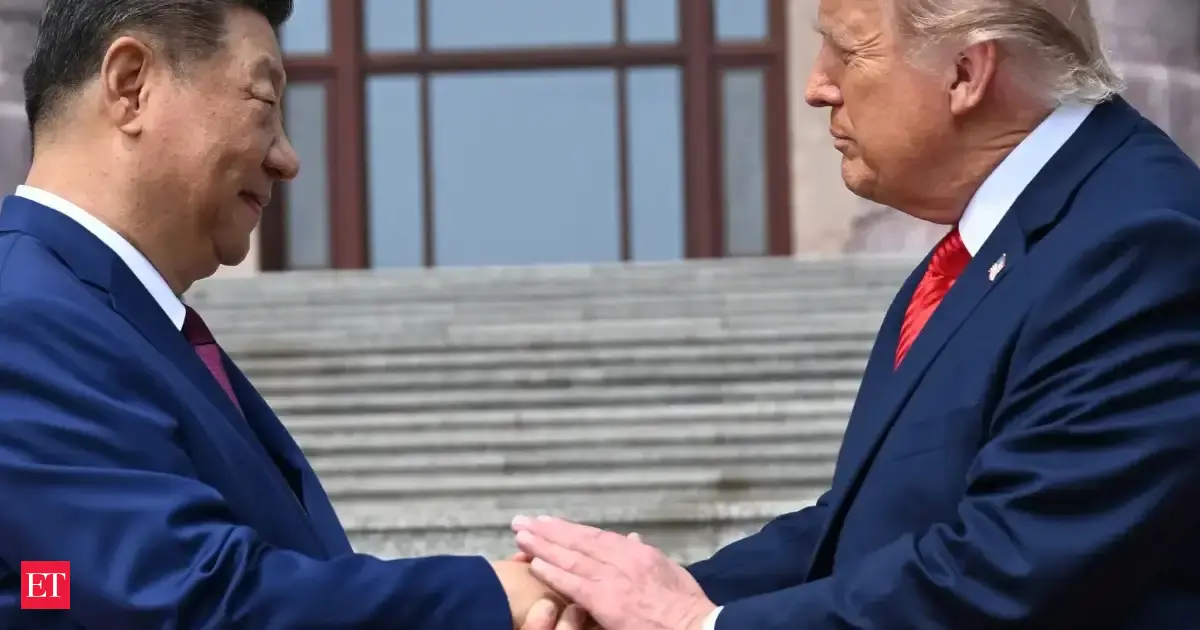
President Donald Trump, during his visit to Beijing, China, on Friday, expressed a hopeful perspective on the resolution of the "Iran war," indicating his belief that Chinese President Xi Jinping could play a pivotal role in bringing it to an end. According to USA Today, Trump stated, "He would like to see it end," referring to the conflict with Iran and Xi's potential influence. This statement suggests a diplomatic effort by the United States to enlist China's assistance in de-escalating tensions with Tehran.
Meanwhile, Al Jazeera English reported a contrasting sentiment from Iran, with Foreign Minister Abbas Araghchi asserting that Iranians would not "bow down." Araghchi further warned that there is "no military solution" to the disputes involving Tehran, underscoring Iran's firm and unyielding position. This declaration from Iran's top diplomat highlights the significant diplomatic gap between the U.S. desire for resolution and Iran's steadfast refusal to capitulate to external pressures or military threats.
The simultaneous reports from USA Today and Al Jazeera English illustrate the dual narratives surrounding the Iran situation: one focusing on international diplomatic efforts to find a solution, and the other emphasizing Iran's internal resolve and rejection of military coercion. While USA Today's coverage centers on President Trump's optimistic outlook and his appeal to President Xi, Al Jazeera English provides a direct insight into the Iranian leadership's defiant stance, indicating the complexity of achieving a peaceful resolution when fundamental disagreements persist regarding the terms of engagement.
Context & Background
The tensions surrounding Iran have been a persistent feature of international relations for decades, often revolving around its nuclear program, regional influence, and human rights record. The current phase of heightened tensions can be traced back to the United States' withdrawal from the Joint Comprehensive Plan of Action (JCPOA), commonly known as the Iran nuclear deal, and the subsequent re-imposition of sanctions. This move by the U.S. significantly strained relations and led to Iran gradually reducing its commitments under the deal.
Iran, for its part, has consistently maintained that its nuclear program is for peaceful purposes and has rejected what it views as foreign interference in its internal affairs and regional policies. The country's leadership has often emphasized self-reliance and resistance to external pressures, a stance reiterated by Foreign Minister Araghchi. The involvement of China, as suggested by President Trump, introduces a new dimension to this long-standing conflict, as China is a significant global power with economic ties to Iran and a vested interest in regional stability.
What to Watch Next
Observers should closely monitor any official statements or diplomatic engagements from Beijing regarding President Trump's appeal for assistance with Iran. A key indicator will be whether China issues a formal response or initiates specific diplomatic actions concerning the Iran situation in the coming weeks. Additionally, any further comments from Iranian officials, particularly Foreign Minister Araghchi or Supreme Leader Ali Khamenei, will signal Tehran's reaction to the U.S. diplomatic overture via China.
Another critical development to watch is the status of international sanctions against Iran. Any adjustments or new enforcement measures from the U.S. Treasury Department or other international bodies will provide insight into the ongoing pressure campaign. Furthermore, the rhetoric and actions of regional players in the Middle East, particularly regarding maritime security in the Persian Gulf, will be a measurable signal of escalating or de-escalating tensions.
Source Attribution
This report draws on coverage from USA Today and Al Jazeera English.
Found this story useful? Share it:
Sources (2)
USA Today
"'He would like to see it end', Trump says of Xi on Iran war: Updates"
May 15, 2026
Al Jazeera English
"Iran war live: Trump’s visit to China shadowed by conflict with Tehran"
May 15, 2026