Iran Submits Peace Proposal Amidst Regional Tensions; U.S. Response Pending
Compiled from 2 Sources
This report draws on coverage from USA Today, CBS News and presents a structured, balanced account that notes where outlets differ in their reporting.
Key Points
- Iran has submitted a peace proposal, confirmed by the White House on Monday.
- The U.S. administration has not disclosed details of the offer or its alignment with President Trump's priorities.
- USA Today highlighted President Trump's priorities include Iran agreeing to hand over certain assets.
- CBS News reported Israel's Mossad chief praised 'groundbreaking' intelligence operations against Iran and Hezbollah.
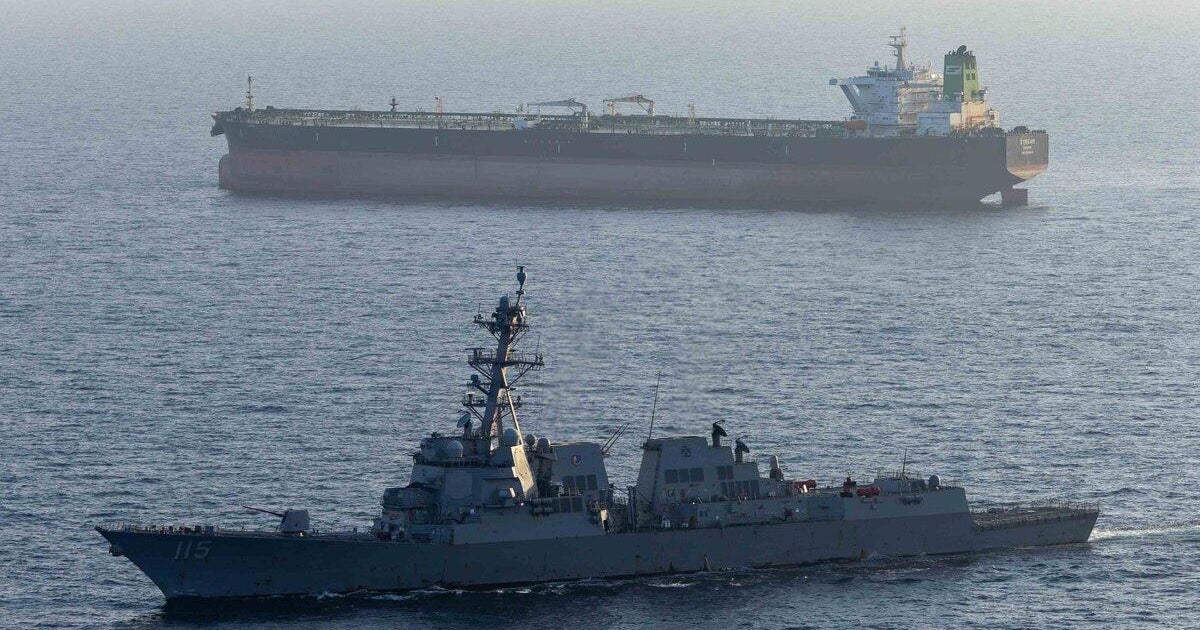
- The Strait of Hormuz remains in 'limbo,' indicating ongoing maritime security concerns, according to CBS News.
- President Trump is actively 'mulling' over the latest Iranian offer, as noted by CBS News.
- The proposal comes amidst heightened regional tensions and U.S. sanctions following the JCPOA withdrawal.
Introduction
Iran has reportedly submitted a new peace proposal, a development confirmed by the White House on Monday. This offer comes at a time of heightened regional tensions, particularly concerning the Strait of Hormuz and ongoing geopolitical complexities involving the United States and its allies. The submission of this proposal initiates a critical period of evaluation for the U.S. administration, led by President Donald Trump, as it weighs the offer against its established priorities for Iranian engagement.
The nature and specifics of Iran's proposal remain largely undisclosed by U.S. officials, leaving open questions about its alignment with American demands, such as those pertaining to Iran's nuclear program, regional influence, and the release of any detained individuals. The global community and key regional players are closely monitoring Washington's response, understanding that any decision could significantly impact the trajectory of international relations with Tehran and stability in the Middle East.
Key Facts
USA Today reported on Monday that the White House confirmed Iran's submission of a peace proposal, though it did not elaborate on whether the offer aligned with President Donald Trump's priorities, which reportedly include Iran agreeing to hand over certain assets. CBS News, in its coverage, highlighted statements from the head of Israel's Mossad, who praised the agency's "groundbreaking" operations against Iran and Hezbollah, claiming to have acquired intelligence "from the heart of the enemy's secrets." This suggests an ongoing intelligence conflict concurrent with diplomatic overtures.
CBS News also noted that the Strait of Hormuz remains in a state of limbo, indicating persistent concerns over maritime security and freedom of navigation in the critical waterway. The outlet emphasized that President Trump is currently mulling over the latest Iranian offer, underscoring the deliberative process underway within the U.S. administration. Both sources confirm the existence of an Iranian offer and the U.S. president's consideration of it, albeit with differing contextual details.
Why This Matters
The submission of a peace proposal by Iran carries substantial real-world significance, potentially altering the geopolitical landscape of the Middle East and beyond. For the United States, a successful diplomatic resolution could mitigate the risk of military confrontation, reduce the economic burden of sanctions, and potentially stabilize global oil markets, which are sensitive to tensions in the Persian Gulf. Conversely, a rejection or failure to reach an agreement could escalate existing animosities, leading to further economic instability and increased military posturing.
Regional allies of the U.S., particularly Israel and Saudi Arabia, are profoundly affected by any potential deal, as their security concerns regarding Iran's regional activities and nuclear ambitions are paramount. The Mossad chief's comments, as reported by CBS News, underscore the deep-seated security challenges perceived by Israel. For Iran, a successful negotiation could lead to the easing of crippling economic sanctions, providing much-needed relief to its economy and populace. The ongoing status of the Strait of Hormuz, a vital chokepoint for global oil shipments, directly impacts international trade and energy prices, making any resolution concerning Iran's role in the region critical for global economic stability. The implications are far-reaching, touching upon international diplomacy, economic stability, and regional security for numerous nations.
Full Report
On Monday, the White House confirmed the receipt of a peace proposal from Iran, a development reported by USA Today. The American administration, however, did not immediately provide details regarding the specifics of the offer or whether it aligned with President Donald Trump's stated priorities. These priorities, according to USA Today, reportedly include Iran's agreement to hand over certain assets, suggesting a comprehensive set of demands beyond just nuclear considerations. The lack of immediate elaboration from the White House indicates a period of careful review and assessment of the Iranian overture.
Concurrent with these diplomatic developments, CBS News provided a different angle, highlighting the ongoing security tensions in the region. The outlet reported that the head of Israel's Mossad, the country's intelligence agency, praised what he described as "groundbreaking" operations conducted in the conflict against Iran and Hezbollah. The Mossad chief further asserted that his agency had acquired intelligence directly "from the heart of the enemy's secrets," indicating a persistent and active intelligence war despite the diplomatic channels opening. This detail from CBS News suggests that while diplomatic efforts are underway, the underlying security challenges and covert operations continue unabated.
CBS News further noted that the strategic Strait of Hormuz remains in a state of "limbo," reflecting the unresolved maritime security issues that have plagued the region. This phrase implies a continued state of uncertainty regarding the safety of shipping and the potential for disruption in this critical waterway, a concern that has global economic ramifications. The outlet also explicitly stated that President Trump is currently "mulling" the latest Iranian offer, emphasizing the active deliberation phase within the U.S. government rather than an immediate response. This contrasts with USA Today's more direct confirmation of receipt, adding a layer of insight into the decision-making process.
The differing emphases between the two sources are notable: USA Today focused on the diplomatic submission and the U.S. administration's confirmation, framing it around President Trump's priorities. CBS News, on the other hand, provided a broader regional context, intertwining the diplomatic offer with ongoing intelligence operations and the enduring security concerns surrounding the Strait of Hormuz. Both outlets agree on the core fact of an Iranian proposal being under U.S. consideration, but their additional details illuminate different facets of the complex situation.
Context & Background
The current peace proposal from Iran emerges against a backdrop of escalating tensions that have characterized U.S.-Iran relations since the U.S. withdrawal from the Joint Comprehensive Plan of Action (JCPOA), commonly known as the Iran nuclear deal, in 2018. This withdrawal, initiated by the Trump administration, led to the re-imposition of stringent economic sanctions on Iran, severely impacting its economy and oil exports. In response, Iran has incrementally reduced its commitments under the nuclear deal, leading to concerns about its nuclear program's trajectory.
Beyond the nuclear issue, regional proxy conflicts and maritime incidents have further exacerbated the situation. The Strait of Hormuz, a vital artery for global oil shipments, has been a flashpoint for confrontations, including attacks on tankers and the seizure of vessels, attributed by some to Iran. The involvement of regional actors, such as Israel and Saudi Arabia, who view Iran as a primary threat to their security, adds further complexity to any potential diplomatic resolution. The long-standing animosity between Iran and these nations, coupled with Iran's support for groups like Hezbollah, as mentioned by CBS News, creates a multifaceted security environment that directly influences the viability and scope of any peace offer.
What to Watch Next
Observers should closely monitor the official response from the White House regarding Iran's peace proposal. Any public statement or diplomatic action taken by President Trump will be critical in understanding the immediate future of U.S.-Iran relations. Key indicators will include whether the U.S. signals a willingness to engage in direct negotiations, the specific conditions it may set for such talks, and any potential reciprocal gestures from Iran.
Furthermore, attention should be paid to the reactions from regional allies, particularly Israel and Saudi Arabia, whose security interests are deeply intertwined with U.S. policy towards Iran. Their public statements or behind-the-scenes lobbying could influence the U.S. decision-making process. The ongoing situation in the Strait of Hormuz will also remain a crucial barometer of regional stability; any new incidents or de-escalatory measures will provide insight into the practical implications of the diplomatic overture. The coming weeks will be pivotal in determining if this proposal leads to substantive dialogue or further entrenchment of existing positions.
Source Attribution
This report draws on coverage from USA Today and CBS News.
Found this story useful? Share it:
Sources (2)
USA Today
"Iran submits peace offer. Will Trump approve a deal? Live updates"
April 28, 2026
CBS News
"Live Updates: Iran war and Strait of Hormuz stuck in limbo as Trump mulls latest Iranian offer"
April 28, 2026