Data Center Investments in Middle East Halted Amid Regional Conflict and Drone Strikes
Compiled from 2 Sources
This report draws on coverage from Google News Sports, Ars Technica and presents a structured, balanced account that notes where outlets differ in their reporting.
Key Points
- A data center developer has paused all Middle East project investments due to regional conflict.
- One of Pure Data Centre Group's facilities was damaged by an alleged Iranian missile or drone attack.
- The decision forces Silicon Valley investors to rethink trillion-dollar AI and cloud data center plans in Gulf countries.
- Data center developers are incurring costs from uninsurable war damage, according to Ars Technica.
- The conflict reportedly began with a US-Israeli attack on Iran, followed by Iranian retaliatory strikes.
- Pure Data Centre Group CEO stated no new capital would be invested until the situation stabilizes.
Introduction
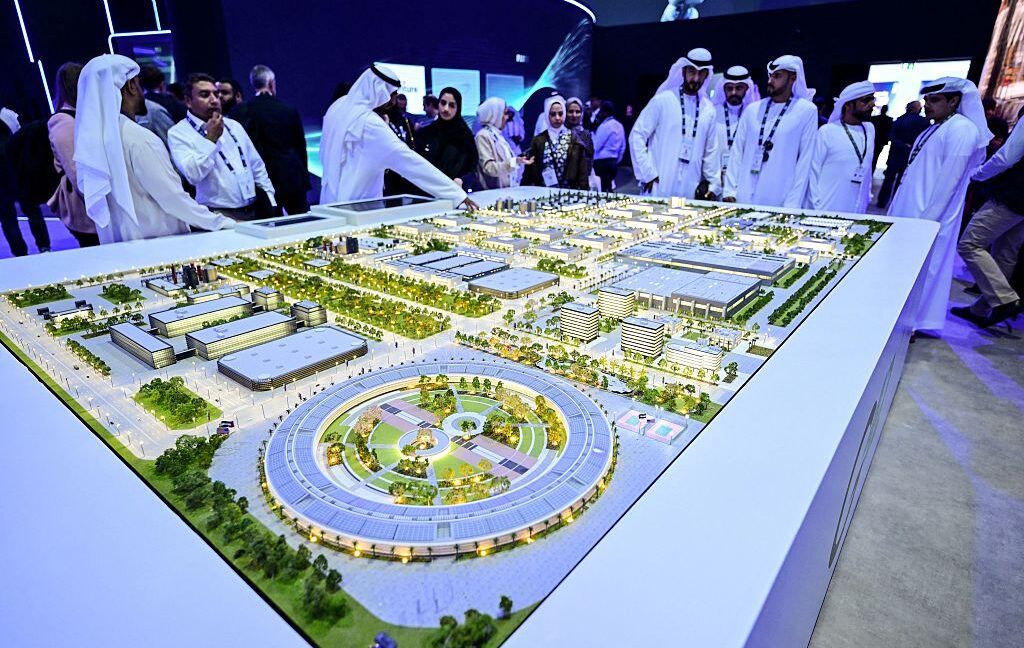
Major technology investments in the Middle East, particularly for data centers, are facing significant disruptions following recent regional conflicts. A prominent data center developer has announced a halt to all new project investments in the Middle East after one of its facilities sustained damage from an alleged Iranian missile or drone attack. This development signals a broader reevaluation by Silicon Valley investors and tech companies regarding their multi-trillion-dollar plans to expand AI and cloud data center infrastructure in Gulf countries.
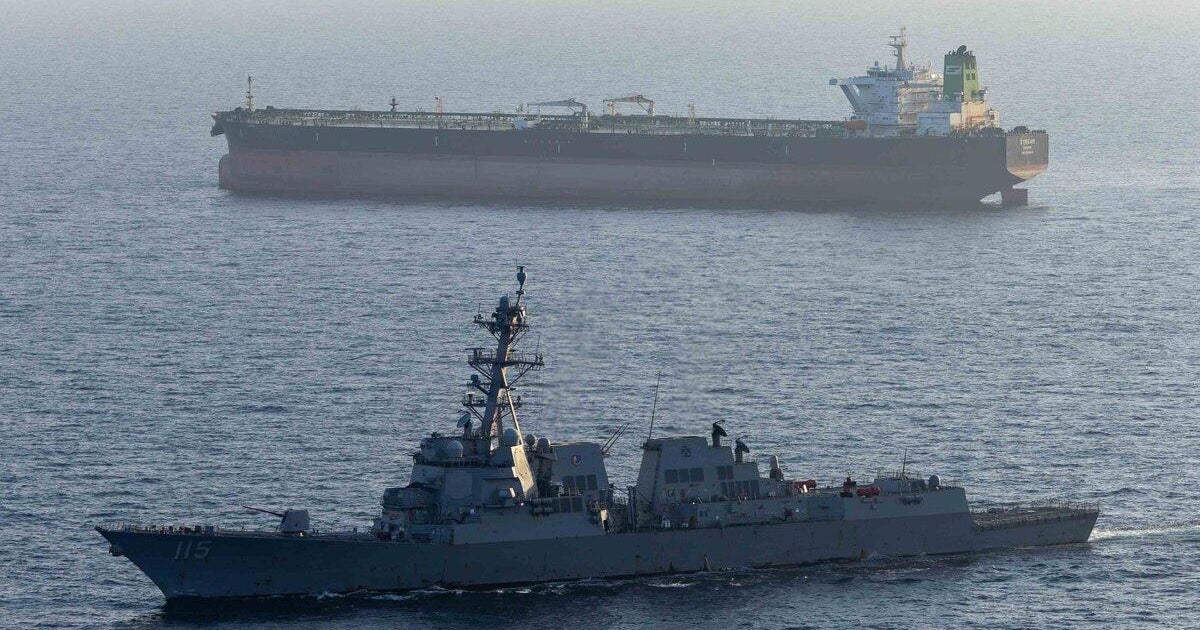
The decision underscores the escalating risks associated with the ongoing conflict in the region, which commenced with a US-Israeli attack on Iran. The subsequent retaliatory actions, including strikes on shipping lanes and energy infrastructure, have created an environment of heightened instability. This has led to a pause in critical infrastructure development, impacting the ambitious technological expansion previously envisioned for the area.
Key Facts
According to Ars Technica, a data center developer has paused all Middle East project investments. This decision was made after one of its facilities was damaged by what is described as an Iranian missile or drone attack, as reported by Ars Technica. The outlet further specifies that the damaged data center is owned by Pure Data Centre Group, a London-based company. Pure Data Centre Group is noted by Ars Technica to be operating or developing over 1 gigawatt of data center capacity across Europe, the Middle East, and Asia. Gary Wojtaszek, CEO of Pure Data Centre Group, stated to CNBC, as quoted by Ars Technica, that "No one's going to run into a burning building, so to speak," and "No one's going to put in new additional capital at scale to do anything until everything settles down."
Ars Technica also highlighted that data center developers are already incurring costs from uninsurable war damage stemming from the conflict. The conflict reportedly began with a US-Israeli attack on Iran on February 28, according to Ars Technica. Iran's primary responses included attacking shipping to disrupt the Strait of Hormuz trade corridor, alongside striking US military bases and energy infrastructure across the Gulf region, as detailed by Ars Technica. Google News Sports, in contrast, provided a headline about "The Best Sports Streaming Services for 2026 - PCMag Middle East," which appears to be unrelated to the geopolitical and infrastructure development issues reported by Ars Technica.
Why This Matters
The halting of data center investments in the Middle East carries profound implications for the global technology landscape and regional economic development. Data centers are the backbone of the digital economy, essential for cloud computing, artificial intelligence, and a myriad of online services. A pause in their development directly impedes the growth of digital infrastructure that is critical for both local economies and international tech giants seeking to expand their global reach.
This situation also highlights the vulnerability of critical infrastructure to geopolitical instability. The inability to insure against war damage, as noted by Ars Technica, creates an insurmountable financial risk for developers and investors, effectively freezing capital flow into high-risk zones. The broader implications extend to supply chains, digital sovereignty, and the strategic distribution of computing power worldwide, potentially forcing a re-evaluation of where future digital hubs are established.
Full Report
The decision by Pure Data Centre Group to halt all new Middle East project investments follows a direct impact to one of its facilities, which Ars Technica reports was damaged by an Iranian missile or drone attack. This incident has prompted a significant re-evaluation among Silicon Valley investors and tech companies concerning their extensive plans for AI and cloud data center expansion in Gulf countries, a strategy that previously involved a trillion-dollar investment, according to Ars Technica. The CEO of Pure Data Centre Group, Gary Wojtaszek, conveyed the sentiment of caution, stating to CNBC, as cited by Ars Technica, that new capital investment at scale would be withheld until the situation stabilizes, emphasizing the unwillingness to proceed in a high-risk environment.
The broader context of this investment freeze is the ongoing conflict in the region. Ars Technica details that this conflict initiated with a US-Israeli attack on Iran on February 28. Iran's subsequent actions, as reported by Ars Technica, included targeting shipping to disrupt the Strait of Hormuz trade corridor, in addition to striking US military bases and energy infrastructure across the Gulf region. These retaliatory measures have created an environment where data center developers are now facing uninsurable war damage costs, further complicating investment decisions and operational continuity.
This situation underscores a critical challenge for the technology sector: balancing ambitious expansion plans with geopolitical realities. While the desire to build robust digital infrastructure in emerging markets like the Middle East remains strong, the current security risks are proving to be a significant deterrent. The lack of specific details from Google News Sports regarding this particular geopolitical and infrastructure development story indicates a difference in editorial focus, with their coverage appearing to concentrate on consumer-oriented sports streaming services rather than regional infrastructure challenges.
Context & Background
The Middle East has increasingly become a target for significant technology investment, particularly in data centers, driven by its strategic location and growing digital economies. Gulf countries, in particular, have been positioning themselves as future hubs for cloud computing and AI infrastructure, attracting substantial capital from global tech giants. This ambition is rooted in a broader economic diversification strategy, aiming to reduce reliance on hydrocarbon revenues by fostering a knowledge-based economy.
However, the region has long been characterized by geopolitical tensions, which have periodically flared into open conflict. The current escalation, reportedly beginning with a US-Israeli attack on Iran, has introduced a new level of risk for international businesses operating or planning to invest in the area. Previous conflicts and proxy engagements, while disruptive, had not always directly impacted critical civilian infrastructure to the extent now being observed, leading to a re-evaluation of risk models by investors.
What to Watch Next
Observers should closely monitor the diplomatic efforts and military engagements in the Middle East to assess any de-escalation that might alleviate investor concerns. Specific attention should be paid to statements from the Pure Data Centre Group and other major tech investors regarding their future investment strategies in the region. Any changes in insurance policies or government-backed guarantees for investments in conflict zones could also significantly impact the viability of future projects.
Additionally, the responses of Silicon Valley companies to these new risks will be crucial. Decisions regarding the relocation or re-prioritization of planned data center projects away from the Middle East will indicate the long-term impact of the current instability. The broader implications for global digital infrastructure distribution and the timeline for achieving regional AI and cloud computing goals will depend heavily on these evolving dynamics.
Source Attribution
This report draws on coverage from Ars Technica and Google News Sports.
Found this story useful? Share it:
Sources (2)
Google News Sports
"The Best Sports Streaming Services for 2026 - PCMag Middle East"
April 20, 2026
Ars Technica
"Drone strikes on data centers spook Big Tech, halting Middle East projects"
April 29, 2026