Taylor Swift Files Extensive Trademarks to Protect Voice and Image from AI Misuse
Compiled from 2 Sources
This report draws on coverage from Newser, BBC News and presents a structured, balanced account that notes where outlets differ in their reporting.
Key Points
- Taylor Swift's company filed three trademark applications to combat AI misuse of her identity.
- Two applications are for sound trademarks, protecting her voice and vocal characteristics.
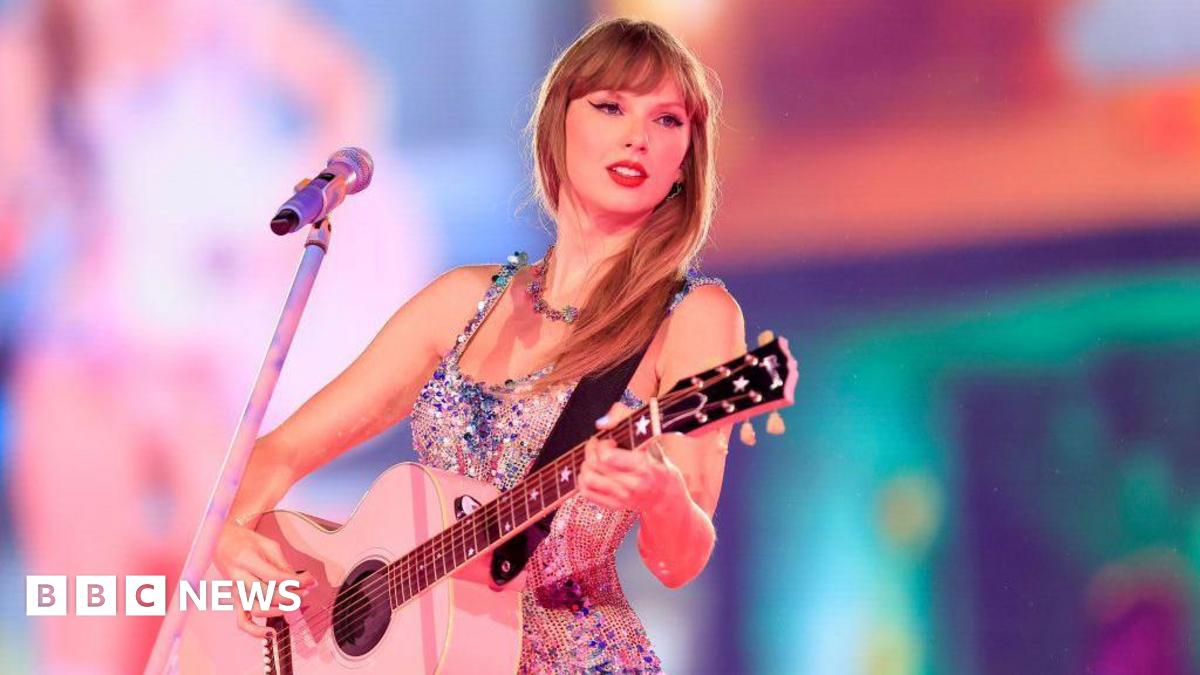
- One application is an image trademark, featuring a specific photo of Swift on stage.
- The filings represent a new strategy for celebrities to protect against AI-generated impersonations.
- This move highlights growing concerns over intellectual property and identity in the age of AI.
- The outcome could set precedents for protecting personal identity from AI replication.
Introduction
Taylor Swift, the globally recognized music artist, is taking proactive legal steps to safeguard her identity in the burgeoning era of artificial intelligence. Her company has filed multiple trademark applications specifically designed to prevent the unauthorized use of her voice and image by AI technologies. This move highlights a growing concern among public figures regarding the potential for AI to replicate their personas without consent, prompting a legal response aimed at establishing control over their digital likenesses.
The filings represent a significant development in the ongoing discourse about intellectual property rights and celebrity identity in the context of advanced AI capabilities. By trademarking specific aspects of her persona, Swift aims to set a precedent and establish legal barriers against deepfakes, voice synthesis, and other AI-driven impersonations. This action underscores the increasing necessity for legal frameworks to adapt to rapid technological advancements that challenge traditional notions of identity protection.
Key Facts
Taylor Swift's company has filed three trademark applications specifically targeting the misuse of her identity by artificial intelligence, as reported by Newser, citing Variety. Two of these applications are focused on sound trademarks, while the third pertains to her image. The BBC noted that these trademark applications represent a relatively new strategy for celebrities to combat the rising issue of AI-generated impersonations and unauthorized content.
According to the BBC, the specific image chosen for one of the trademark applications depicts Swift on stage holding a pink guitar, with her hair styled in a distinct manner. Newser further detailed that the sound trademarks aim to protect her voice, including specific vocal characteristics and phrases. These filings are a direct response to concerns about AI's ability to replicate her unique vocal patterns and visual presence.
Why This Matters
This development holds significant real-world implications, particularly for public figures, artists, and creators whose identities are central to their professional and personal lives. The unauthorized use of voices and images through AI technologies, such as deepfakes and voice cloning, poses serious threats to reputation, intellectual property, and personal autonomy. For artists like Taylor Swift, whose brand is inextricably linked to her unique vocal and visual identity, uncontrolled AI replication could lead to economic exploitation, brand dilution, and the spread of misinformation.
Beyond individual celebrities, these trademark filings contribute to a broader legal and ethical debate about the regulation of AI and the protection of digital rights. They highlight the urgent need for legal systems to evolve to address technological advancements that were unforeseen when existing intellectual property laws were drafted. The outcome of such trademark applications could influence future legal strategies for identity protection across various industries, potentially setting new standards for how individuals control their digital selves in an AI-driven world.
Furthermore, this situation underscores the economic stakes involved. The ability of AI to generate convincing replicas of voices and images could be used to create unauthorized content, including music, advertisements, or even political messaging, without compensating the original artist or obtaining consent. Swift's actions are a proactive measure to secure her commercial rights and prevent potential financial losses stemming from AI-generated impersonations, thereby influencing how future AI-generated content is licensed and attributed.
Full Report
Taylor Swift's company has initiated a legal strategy to protect her persona from artificial intelligence, filing three distinct trademark applications. Newser, referencing Variety, reported that these filings are specifically aimed at curbing the misuse of her identity by AI. Two of the applications are designated as sound trademarks, while the third is an image trademark. The BBC highlighted that such trademark applications are emerging as a novel approach for celebrities to counter the increasing problem of AI-generated rip-offs.
The sound trademarks are designed to protect Swift's distinctive vocal characteristics and specific phrases, according to Newser. This move comes amidst growing concerns within the entertainment industry about AI's capacity to synthesize voices so convincingly that they are indistinguishable from the original. The image trademark, as described by the BBC, features a photograph of Swift on stage, notably holding a pink guitar and with her hair styled in a particular manner, indicating an effort to protect a specific visual representation of her stage presence.
This proactive measure by Swift's team is a direct response to the rapid advancements in AI technology, which now allow for sophisticated replication of human voices and images. The BBC noted that these filings are part of a broader trend where public figures are exploring new legal avenues to maintain control over their identities in the digital realm. Newser's report emphasized that these filings are intended to establish clear legal boundaries against unauthorized AI-driven impersonations, which could range from deepfake videos to AI-generated vocal tracks.
While both Newser and the BBC agree on the core fact of the trademark filings and their purpose, the BBC provided a specific detail about the image chosen for the trademark application, describing Swift's pose and accessories. Newser, while not detailing the specific image, focused more on the general scope of the sound trademarks. Both outlets frame the action as a necessary response to the challenges posed by AI to celebrity identity, underscoring the innovative nature of using trademark law in this context.
Context & Background
The current legal actions taken by Taylor Swift's company are set against a backdrop of increasing concerns within the entertainment and creative industries regarding artificial intelligence. The rapid evolution of generative AI technologies has made it possible to create highly realistic deepfakes of individuals, synthesize voices, and even generate new musical compositions in the style of existing artists. This technological capability has outpaced existing legal frameworks designed to protect intellectual property and personal rights.
Celebrities and artists have increasingly voiced worries about the potential for their likenesses and voices to be used without consent or compensation, leading to issues of identity theft, misinformation, and commercial exploitation. High-profile instances of deepfake pornography and AI-generated songs mimicking famous artists have brought these concerns to the forefront, prompting calls for stronger legal protections. This situation has created an urgent need for new legal strategies to define and defend personal identity in the digital age.
Historically, intellectual property law has primarily focused on tangible creations like songs, films, and written works. However, the ability of AI to replicate intangible aspects of a person's identity, such as vocal timbre or facial expressions, presents a novel challenge. Swift's trademark filings represent an attempt to extend traditional trademark protections, typically applied to brand names and logos, to encompass fundamental aspects of her personal identity, thereby pushing the boundaries of existing legal interpretations in response to technological innovation.
What to Watch Next
Observers should monitor the progress and outcomes of Taylor Swift's trademark applications with the relevant intellectual property offices. The success or failure of these filings could establish significant precedents for how personal identity is legally protected against AI misuse in the future. Legal scholars and industry experts will be closely examining the scope of protection granted, particularly regarding the specific characteristics of voice and image that are deemed trademarkable in the context of AI replication.
Additionally, attention should be paid to any legislative discussions or proposed bills in various jurisdictions that aim to address AI's impact on intellectual property and personal rights. These trademark efforts by high-profile individuals like Swift may galvanize lawmakers to consider new regulations or amendments to existing laws, potentially leading to more comprehensive legal frameworks for digital identity protection. The entertainment industry, in particular, will be watching for any collective actions or industry standards that emerge in response to these challenges.
Source Attribution
This report draws on coverage from Newser and BBC News.
Found this story useful? Share it:
Sources (2)
Newser
"Taylor Swift Files Voice, Image Trademarks in Age of AI"
April 27, 2026
BBC News
"Taylor Swift files to trademark voice and image after AI concerns"
April 27, 2026