Musk v. Altman Trial Commences, Raising Questions Over OpenAI's Future and Public Perception
Compiled from 2 Sources
This report draws on coverage from Wired, Ars Technica and presents a structured, balanced account that notes where outlets differ in their reporting.
Key Points
- Elon Musk's lawsuit against OpenAI challenges its evolution under Sam Altman, alleging a deviation from its non-profit mission.
- During jury selection, several potential jurors voiced negative views of Elon Musk, as reported by Wired.
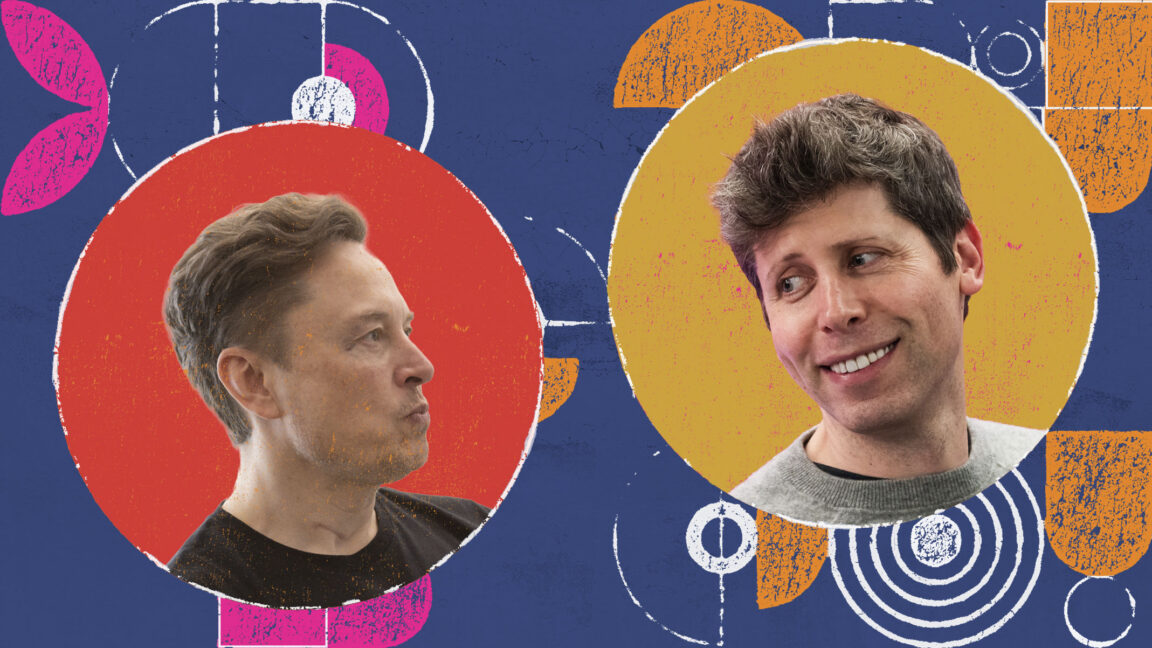
- Ars Technica frames the lawsuit as a 'grudge match' between Musk and Altman, with significant implications for AI's future.
- Musk aims to prove OpenAI abandoned its mission to ensure AI serves humanity, not just billionaires.
- If Musk wins, OpenAI's for-profit arm could be jeopardized, and Altman might lose his officer and board positions.
- The trial questions the balance between non-profit ideals and commercial pressures in advanced AI development.
Introduction
The legal battle between Elon Musk and OpenAI, specifically targeting its current leadership under Sam Altman, has officially commenced, drawing significant attention to the future trajectory of artificial intelligence development. The lawsuit challenges OpenAI's evolution from its foundational non-profit mission, with Musk alleging a deviation from its original principles. This high-stakes trial is poised to scrutinize the operational model of one of the world's leading AI research organizations, potentially reshaping its structure and the broader AI landscape. The proceedings have already highlighted complexities, including public sentiment towards key figures involved in the dispute.
The core of the dispute revolves around whether OpenAI has abandoned its initial commitment to ensure artificial intelligence serves humanity broadly, rather than being driven by commercial interests. The outcome could have profound implications for how AI research is funded, governed, and ultimately deployed. As the trial unfolds, the technology sector and the public will be closely watching for developments that could set precedents for the ethical and commercial development of advanced AI systems.
Key Facts
According to Ars Technica, the lawsuit is viewed by many as a "grudge match" between Elon Musk and Sam Altman, despite its broader implications. Ars Technica further reports that Musk aims to prove OpenAI has abandoned its mission to remain a non-profit entity. Wired noted that during jury selection for the trial, several potential jurors expressed negative views of Elon Musk himself. Ars Technica detailed that if Musk prevails, OpenAI's aspirations for expanding its for-profit arm, which is intended to fund the non-profit, could be jeopardized. Additionally, Ars Technica stated that a victory for Musk could result in Brockman and Altman being removed as officers, and Altman potentially losing his position on OpenAI's board.
Why This Matters
The ongoing legal confrontation between Elon Musk and OpenAI's leadership carries substantial weight, extending far beyond the immediate parties involved to impact the entire artificial intelligence ecosystem. At its heart, the trial questions the fundamental governance and ethical direction of powerful AI technologies. The outcome will significantly influence how AI companies balance innovation, commercial viability, and their stated missions to benefit humanity, particularly regarding the tension between non-profit ideals and the pressures of for-profit growth.
Should Musk succeed, the precedent set could compel greater transparency and adherence to founding principles for other technology organizations, especially those dealing with potentially transformative technologies like AI. Conversely, if OpenAI's current model is upheld, it might legitimize a hybrid non-profit/for-profit structure as a viable path for advanced AI development, albeit with increased scrutiny. This trial is not merely about corporate control; it is about defining the philosophical and operational framework for AI's future, determining whether its trajectory will be primarily guided by altruistic goals or by market forces and shareholder value. The implications for intellectual property, open access to research, and the concentration of AI power are immense, affecting researchers, developers, policymakers, and the global public who will ultimately interact with these advanced systems.
Full Report
Elon Musk's lawsuit challenging OpenAI's operational evolution under Sam Altman has moved into the trial phase, marking a critical juncture for the prominent artificial intelligence firm. According to Wired, the initial stages of the trial, specifically jury selection, revealed that several prospective jurors voiced negative opinions about Musk. This detail highlights a potential challenge for the plaintiff's legal team in navigating public perception surrounding one of the central figures in the dispute.
Ars Technica reported that the lawsuit is widely perceived as a "grudge match" between Musk, an early major donor and advisor who later departed OpenAI, and Altman, the current head of the organization. Despite this personal framing, Ars Technica emphasized that the lawsuit's implications extend beyond individual personalities, suggesting it could fundamentally alter the AI landscape. The core of Musk's contention, as detailed by Ars Technica, is his attempt to demonstrate that OpenAI, under Altman's leadership, has deviated from its original mission to operate as a non-profit dedicated to ensuring AI benefits all of humanity, rather than serving solely the interests of billionaires.
Ars Technica further elaborated on the potential ramifications should Musk prevail in the legal proceedings. A victory for Musk could effectively "dash" OpenAI's plans for its growing for-profit arm, which is designed to generate revenue to support the non-profit's mission. Moreover, the report indicated that Altman and Brockman could face removal as officers, and Altman's position on OpenAI's board could be jeopardized. This outcome would significantly restructure OpenAI's leadership and its financial strategy, potentially impacting its ability to fund large-scale AI research and development projects.
The differing emphasis between the sources is notable. Wired focused on the procedural aspect of jury selection and the public's perception of Musk, offering a glimpse into the human element of the trial. Ars Technica, in contrast, provided a more comprehensive overview of the lawsuit's substance, the motivations behind it, and the potential far-reaching consequences for OpenAI's structure and the broader AI industry, framing it as a dispute with significant implications for the future direction of artificial intelligence development.
Context & Background
OpenAI was founded in 2015 with a stated mission to ensure that artificial general intelligence (AGI) benefits all of humanity. Elon Musk was a co-founder and significant early donor, contributing substantial financial resources and strategic guidance to the nascent organization. The initial vision emphasized a non-profit structure to prevent the concentration of AI power and to promote open research for public good. This foundational commitment to a non-profit model and a human-centric mission is central to the current legal challenge.
Over the years, OpenAI's operational structure evolved, notably with the creation of a "capped-profit" subsidiary in 2019. This hybrid model was introduced to attract the substantial capital and talent required for advanced AI research, which had become increasingly expensive. The for-profit arm was designed to generate revenue, with profits capped, to fund the non-profit's research endeavors. This strategic shift, while intended to accelerate AI development, has been a point of contention, particularly for those who believe it compromises the original non-profit ethos. Musk's lawsuit directly challenges the legitimacy of this evolution, arguing it represents a departure from the core principles upon which OpenAI was established.
What to Watch Next
As the trial progresses, immediate attention will be on the presentation of evidence and arguments from both Elon Musk's legal team and OpenAI's defense. Key testimonies from current and former OpenAI executives, including Sam Altman, will be crucial in shaping the court's understanding of the organization's mission and operational changes. Observers should monitor whether the court focuses more on the contractual agreements and founding documents or on the broader philosophical debate about AI's societal role.
Further developments to watch include any interim rulings or procedural decisions by the court that might indicate the direction of the trial. The verdict itself will be a pivotal moment, determining not only OpenAI's immediate future but also potentially influencing how other AI research organizations structure themselves and communicate their commitments to public benefit versus commercial interests. Beyond the legal outcome, the public and investor reactions to the judgment will be significant indicators of the broader sentiment towards AI governance and corporate responsibility in this rapidly evolving sector.
Source Attribution
This report draws on coverage from Wired and Ars Technica.
Found this story useful? Share it:
Sources (2)
Wired
"Some Musk v. Altman Jurors Don't Like Elon Musk"
April 28, 2026
Ars Technica
"Musk and Altman face off in trial that will determine OpenAI's future"
April 27, 2026