Elon Musk's Lawsuit Against OpenAI and Sam Altman Commences, Highlighting AI Power Dynamics
Compiled from 3 Sources
This report draws on coverage from Al Jazeera, Wired and presents a structured, balanced account that notes where outlets differ in their reporting.
Key Points
- Elon Musk's lawsuit against OpenAI and Sam Altman has commenced with jury selection in federal court in Oakland.
- Al Jazeera reports the trial's outcome could significantly shift the balance of power within the AI industry.
- Wired noted Elon Musk boosted a New Yorker exposé on Sam Altman on X as the trial began.
- The lawsuit centers on alleged deviations from OpenAI's founding principles as a non-profit, open-source entity.
- The trial's proceedings are expected to reveal internal power dynamics and governance issues within OpenAI.
- Wired also described Musk's XChat app as an "insular extension" of his social media platform, not a secure messaging app.
Introduction
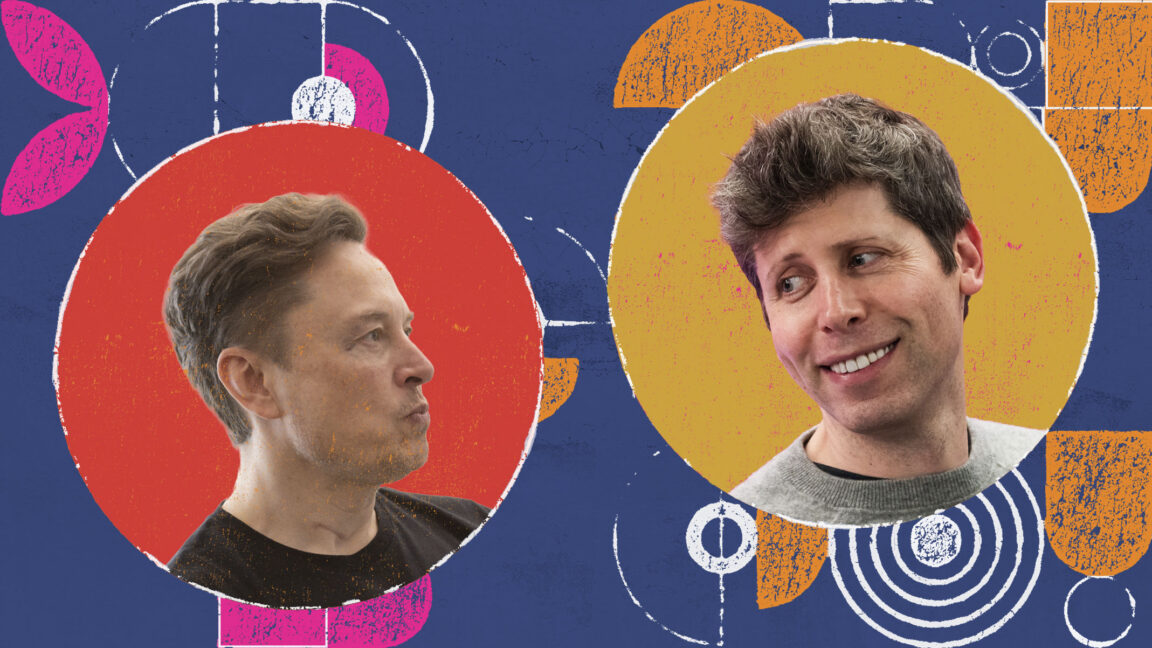
The legal battle initiated by Elon Musk against OpenAI and its CEO, Sam Altman, has officially begun, with jury selection starting this week. This trial is poised to delve into the intricate power dynamics within the artificial intelligence sector, particularly concerning the foundational principles and future direction of OpenAI. The proceedings are expected to illuminate the complexities of balancing technological advancement with ethical considerations and corporate governance in the rapidly evolving field of AI.
The lawsuit's commencement marks a significant moment, not only for the involved parties but also for the broader AI community, as its outcome could significantly influence the trajectory of AI development and the governance models of leading AI organizations. The trial is taking place in federal court in Oakland, drawing attention to the legal and ethical frameworks surrounding cutting-edge technology and the individuals shaping its future.
Key Facts
According to Al Jazeera, the trial's outcome holds the potential to shift the balance of power within the artificial intelligence industry. Al Jazeera further reported that jury selection for this high-stakes legal proceeding commenced on Monday. Wired noted that the trial for Elon Musk's lawsuit against OpenAI officially kicked off in federal court located in Oakland. Another report from Wired highlighted Elon Musk's action of boosting a New Yorker exposé concerning Sam Altman on his social media platform, X, coinciding with the trial's start.
Separately, Wired also reported on Elon Musk's XChat app, describing it as an "insular extension of his social media platform" rather than a "sleek, worthwhile encrypted messaging app." This particular detail, while not directly related to the lawsuit, provides context on Musk's broader technological endeavors and his approach to product development within his ecosystem.
Why This Matters
This trial carries substantial real-world significance, extending far beyond the immediate parties involved. It touches upon fundamental questions regarding the governance, ethics, and commercialization of artificial intelligence, a technology poised to reshape global economies and societies. The outcome could set precedents for how non-profit origins evolve into commercial entities and the responsibilities associated with developing powerful AI systems. It directly impacts the future direction of OpenAI, a leading developer of advanced AI, and by extension, the entire AI industry.
For the public, the trial's revelations could offer unprecedented insight into the internal workings and strategic decisions of a major AI developer. It raises critical questions about the balance between open-source development and proprietary commercialization, and the extent to which founding principles should guide an organization's evolution. The legal proceedings may also influence investor confidence and regulatory scrutiny across the AI sector, potentially leading to new guidelines or oversight mechanisms for AI development and deployment. The power struggle highlighted by Al Jazeera underscores the high stakes involved in controlling and directing AI's future.
Full Report
The lawsuit filed by Elon Musk against OpenAI and Sam Altman has officially moved into its trial phase, with jury selection initiating earlier this week, as reported by Al Jazeera. This development is seen as a pivotal moment that could significantly influence the power dynamics within the rapidly advancing field of artificial intelligence. Al Jazeera emphasized that the trial's resolution has the potential to sway the balance of power in AI, underscoring the high stakes involved.
Coinciding with the trial's commencement in federal court in Oakland, Wired reported that Elon Musk actively promoted a New Yorker exposé on Sam Altman via his social media platform, X. This move by Musk suggests an effort to shape public perception or introduce additional scrutiny on Altman as the legal proceedings unfold. The article from Wired specifically noted that this action occurred "as the trial for Elon Musk’s lawsuit against OpenAI kicks off."
In a separate but related report, Wired also provided commentary on Elon Musk's XChat application. This report framed XChat not as a sophisticated, secure messaging service, but rather as a "junky, insular extension of his social media platform." Wired contrasted XChat with the expectation of a "sleek, worthwhile encrypted messaging app," suggesting a divergence from what might be considered best practices in secure communication. This detail, while distinct from the lawsuit's core allegations, offers insight into Musk's product development philosophy and the perceived quality of his technological ventures.
Context & Background
The lawsuit brought by Elon Musk against OpenAI stems from a complex history involving the company's founding as a non-profit entity dedicated to developing artificial general intelligence (AGI) for the benefit of humanity. Musk was a co-founder of OpenAI in 2015, alongside Sam Altman and others, with an initial mission focused on open-source research and preventing AI from becoming too concentrated in the hands of a few corporations. The initial vision emphasized safety and broad accessibility of AI technology.
Over time, OpenAI's structure evolved, leading to the creation of a for-profit subsidiary in 2019 to attract significant investment, notably from Microsoft. This shift, which involved a cap on investor returns and a continued commitment to the non-profit's mission, has been a point of contention. Musk's departure from OpenAI's board in 2018 and his subsequent public criticisms have centered on concerns that the company has strayed from its original open-source, non-profit ethos, prioritizing commercial interests over its foundational principles. The current trial is a culmination of these long-standing disagreements regarding OpenAI's direction and governance.
What to Watch Next
As the trial proceeds, key developments to monitor will include the selection of the jury and the opening statements from both legal teams, which will lay out their respective arguments and evidence. Subsequent court proceedings will feature testimony from key figures, including Elon Musk and Sam Altman, as well as other former and current OpenAI executives and board members. The nature of the evidence presented regarding OpenAI's founding agreements, its evolution into a capped-profit entity, and its current operational strategies will be crucial.
Observers should also pay close attention to any judicial rulings on motions or evidence, as these could significantly impact the trial's trajectory. The final verdict, once delivered, will be a critical juncture, potentially leading to appeals or influencing future regulatory discussions surrounding AI governance. Beyond the courtroom, reactions from the broader AI industry, investors, and policymakers to the trial's revelations and outcome will be important indicators of its lasting impact.
Source Attribution
This report draws on coverage from Al Jazeera and Wired.
Found this story useful? Share it:
Sources (3)
Al Jazeera
"Elon Musk trial against Sam Altman to reveal OpenAI power struggle"
April 27, 2026
Wired
"Elon Musk’s XChat App Is More Like Facebook’s Messenger Than Signal"
April 27, 2026
Wired
"Elon Musk Boosts New Yorker’s Sam Altman Exposé on X as Trial Begins"
April 27, 2026