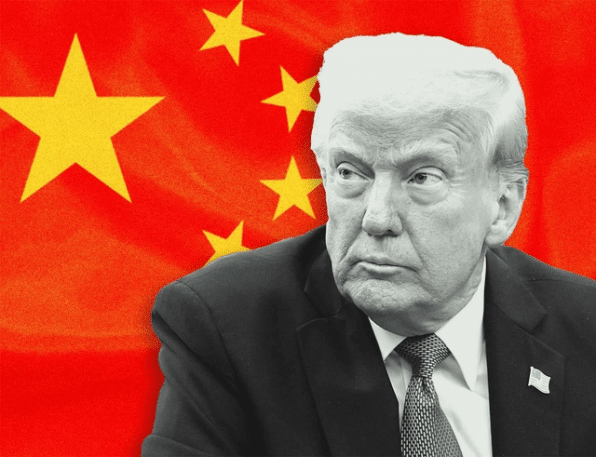
Iranian Officials Depart Pakistan Peace Talks Without Meeting US Delegation Amid 'Maximalist Demands' Concerns
Compiled from 2 Sources
This report draws on coverage from Freerepublic.com, CBS News and presents a structured, balanced account that notes where outlets differ in their reporting.
Key Points
- Iranian officials reportedly left peace talks in Pakistan on April 25, 2026, without meeting the U.S. delegation.
- Freerepublic.com (citing Daily Mail) reported Iran's departure was due to 'maximalist demands'.
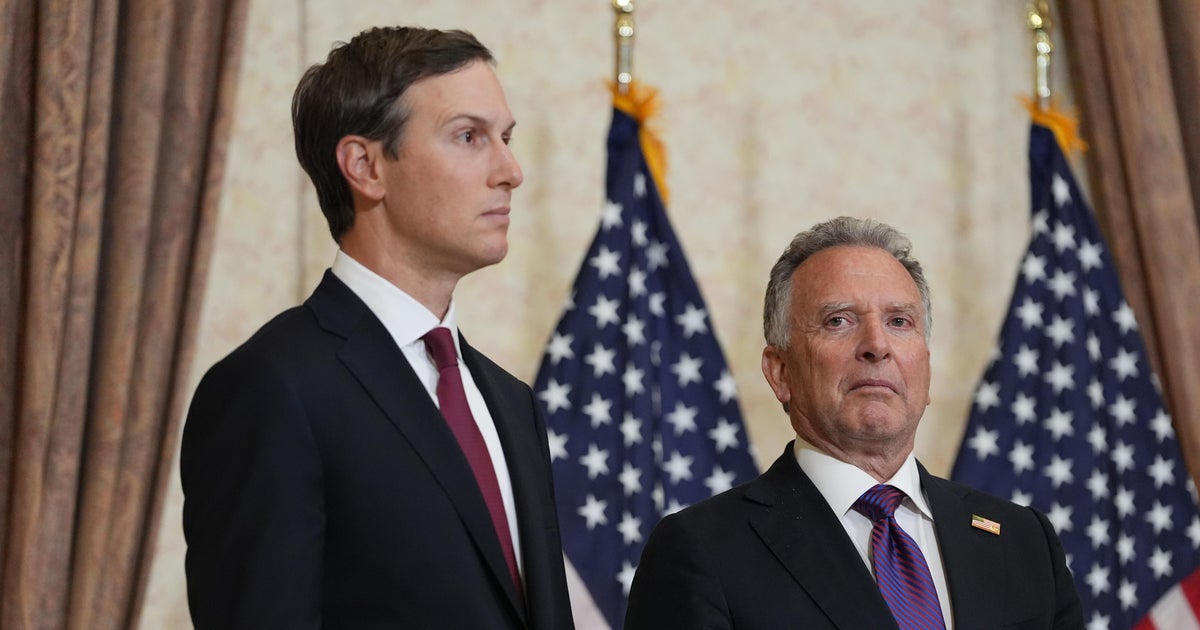
- CBS News confirmed that Witkoff and Kushner were scheduled to attend the talks for the U.S. on the same day.
- The incident highlights ongoing diplomatic challenges and deep-seated disagreements between Iran and the U.S.
- The failure to meet directly signals a significant hurdle in de-escalation efforts and regional stability.
- CBS News also noted Italy's disinterest in replacing Iran at the 2026 World Cup, following a Trump administration suggestion.
Introduction
Iranian officials reportedly left peace talks in Pakistan without engaging with the United States delegation, according to a Daily Mail report cited by Freerepublic.com. This development occurred on April 25, 2026, and was attributed to Iranian concerns over what they termed 'maximalist demands.' The absence of a direct meeting between the two key parties marks a significant hurdle in ongoing diplomatic efforts to resolve tensions, highlighting persistent disagreements that continue to complicate international negotiations. The talks were intended to foster dialogue, but the early departure of the Iranian contingent signals a breakdown in the initial stages of the process, preventing any direct interaction with their American counterparts.
Simultaneously, CBS News reported on April 25, 2026, that Witkoff and Kushner were scheduled to travel to Pakistan for these very Iran peace talks. This indicates a high-level United States presence and a clear intention from the American side to participate in the discussions. The contrasting reports, with one detailing an Iranian departure and the other confirming American arrival, underscore the complex and often disjointed nature of international diplomacy, particularly when dealing with long-standing geopolitical adversaries. The lack of a meeting despite the presence or impending arrival of key delegations suggests deep-seated issues preventing even preliminary engagement.
Key Facts
According to a Daily Mail report posted on Freerepublic.com on April 25, 2026, Iranian officials departed peace talks in Pakistan without meeting the United States delegation. The reason cited for their departure was their rejection of what they called 'maximalist demands.' This specific detail regarding the Iranian perspective on the demands was exclusively reported by Freerepublic.com, referencing the Daily Mail. The timestamp for this report was 9:00 AM on the specified date.
In contrast, CBS News, also on April 25, 2026, provided an update stating that Witkoff and Kushner were set to head to Pakistan for the Iran peace talks on that day. This information from CBS News indicates the planned arrival and participation of high-profile American representatives in the discussions. Another detail from CBS News, seemingly unrelated to the core peace talks but included in its report, mentioned that sports officials in four-time world champion Italy were not interested in replacing Iran at the upcoming 2026 World Cup, following a suggestion from a Trump administration official. This peripheral detail was unique to the CBS News coverage.
Why This Matters
The inability of Iranian and U.S. delegations to meet directly at the Pakistan peace talks carries significant real-world implications for regional stability and international relations. A direct dialogue between these two nations is often seen as a prerequisite for de-escalation and finding common ground on critical issues such as nuclear proliferation, regional conflicts, and economic sanctions. The failure to even initiate face-to-face discussions means that existing tensions are likely to persist, potentially leading to continued proxy conflicts and a heightened risk of miscalculation in the Middle East. This diplomatic impasse affects not only the immediate parties but also their allies and the broader international community, which seeks stability in a volatile region.
Economically, prolonged tensions and the absence of diplomatic breakthroughs can have ripple effects on global energy markets, trade routes, and investment confidence. Sanctions, whether existing or potential new ones, directly impact Iran's economy and, by extension, global oil prices and supply chains. For the United States and its allies, the ongoing standoff necessitates continued military presence and diplomatic engagement, incurring significant costs and diverting resources from other priorities. The political ramifications include a potential weakening of international non-proliferation efforts and a perception of diplomatic futility, which could embolden other states to pursue more aggressive foreign policy agendas without fear of effective international mediation. The lack of progress in these talks underscores the deep-seated mistrust and complex historical grievances that continue to impede a peaceful resolution, leaving the door open for further instability and conflict.
Full Report
On April 25, 2026, peace talks aimed at addressing the long-standing tensions between Iran and the United States encountered an immediate setback in Pakistan. Freerepublic.com, citing a Daily Mail report, indicated that Iranian officials departed the talks without engaging in any direct meetings with the United States delegation. This early withdrawal was reportedly prompted by Iran's objection to what they characterized as 'maximalist demands.' The precise nature of these demands was not detailed in the available information, but their perceived extremity was sufficient to cause the Iranian contingent to disengage from the diplomatic process before substantive discussions could commence. This suggests a significant gap in expectations or negotiating positions between the two sides from the outset.
Conversely, CBS News reported on the same day that high-profile American representatives, specifically Witkoff and Kushner, were scheduled to head to Pakistan for these Iran peace talks. This confirms the United States' intention to participate and send key envoys, highlighting a readiness on the American side to engage in dialogue. The simultaneous reporting of an Iranian departure and an American arrival underscores a potential disconnect in communication or a fundamental disagreement on the terms of engagement. While Freerepublic.com focused on the Iranian perspective of 'maximalist demands' leading to their exit, CBS News emphasized the American commitment to attending the talks, presenting two distinct angles on the unfolding diplomatic event.
The Freerepublic.com report, posted at 9:00 AM, detailed the Iranian officials' decision to leave, suggesting that the talks had either begun or were about to begin when the Iranian delegation made their move. The implication is that the 'maximalist demands' were either presented or understood by the Iranians prior to any direct interaction with the American team. This immediate disengagement prevents any initial trust-building or exploration of common ground, freezing the diplomatic process at its nascent stage. The brevity of the Freerepublic.com snippet, referencing a longer Daily Mail article, indicates that this was a developing story with potentially more details available in the original source.
CBS News's report also included an interesting, albeit tangential, detail regarding the 2026 World Cup. It noted that Italian sports officials had declined a suggestion from a Trump administration official to replace Iran at the upcoming tournament. While this information does not directly relate to the peace talks, its inclusion in the CBS News update suggests a broader context of international relations where Iran's status and involvement in global events are subject to political scrutiny and proposals from U.S. officials. This peripheral detail, exclusive to CBS News, highlights the multifaceted nature of U.S.-Iran relations, extending beyond just diplomatic negotiations to cultural and sporting arenas.
Context & Background
The current peace talks in Pakistan occur against a backdrop of decades of strained relations between Iran and the United States, marked by periods of intense geopolitical rivalry, economic sanctions, and proxy conflicts across the Middle East. The two nations have lacked formal diplomatic ties since 1980, following the Iranian Revolution and the hostage crisis at the U.S. embassy in Tehran. Subsequent developments, including Iran's nuclear program and its support for various non-state actors in the region, have consistently fueled tensions and complicated any attempts at rapprochement. Past negotiations, such as those leading to the 2015 Joint Comprehensive Plan of Action (JCPOA) nuclear deal, have demonstrated the immense difficulty in achieving consensus, and the subsequent U.S. withdrawal from that agreement further deepened mistrust.
Recent years have seen a cycle of escalations and de-escalations, with both sides often communicating through intermediaries or via public statements rather than direct dialogue. Economic sanctions imposed by the United States have severely impacted Iran's economy, leading to calls from Tehran for their lifting as a precondition for meaningful negotiations. Regional conflicts in Yemen, Syria, and Iraq, where both U.S. and Iranian interests are at play, frequently serve as flashpoints, further complicating diplomatic efforts. The very necessity of holding these talks in a neutral third country like Pakistan underscores the profound lack of trust and direct communication channels between Washington and Tehran, making any progress inherently challenging.
What to Watch Next
Future developments will hinge on whether any back-channel communications or further mediation efforts can bridge the gap that led to the Iranian delegation's early departure from the Pakistan talks. Observers should monitor for any statements from either the Iranian Foreign Ministry or the U.S. State Department regarding the specifics of the 'maximalist demands' cited by Iran, or any counter-proposals that might emerge. The role of Pakistan or other potential mediators in facilitating renewed contact will also be crucial. Any indication of a willingness to reconvene talks, even at a lower diplomatic level, would signal a potential path forward.
Additionally, attention should be paid to the broader geopolitical landscape, particularly any shifts in regional conflicts or changes in global oil markets, which often influence the leverage and priorities of both Iran and the United States. The 2026 World Cup, as mentioned by CBS News, might also become a minor point of diplomatic maneuvering if the issue of Iran's participation or replacement resurfaces. Ultimately, the immediate next steps will involve assessing whether this initial breakdown is a temporary hurdle or indicative of a more fundamental and intractable impasse in U.S.-Iran relations.
Source Attribution
This report draws on coverage from Freerepublic.com (citing Daily Mail) and CBS News.
Found this story useful? Share it:
Sources (2)
Freerepublic.com
"Iranian officials leave peace talks in Pakistan without meeting US delegation - as they rule out 'maximalist demands'"
April 25, 2026
CBS News
"Live Updates: Witkoff, Kushner set to head to Pakistan for Iran peace talks today"
April 25, 2026