
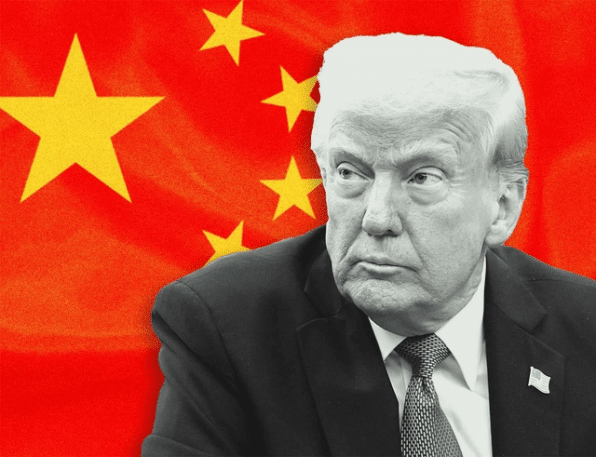
Trump's Beijing Visit Confirmed Amid Iran Tensions, Market Odds Decline
Structured Editorial Report
This report is based on coverage from Crypto Briefing and has been structured for clarity, context, and depth.
Key Points
- President Trump is scheduled to visit Beijing on May 14.
- The visit occurs amid ongoing international tensions, specifically the Iran conflict.
- Market odds for Trump visiting China by May 31 dropped from 88% to 70.5% 'YES' in one week.
- The diplomatic engagement is crucial for managing U.S.-China relations and global stability.
- The visit offers a platform for discussions on bilateral issues and international security concerns like Iran.
Introduction
President Donald Trump is scheduled to visit Beijing on May 14, a development confirmed amidst ongoing international tensions, particularly concerning the conflict in Iran. This diplomatic engagement comes at a critical juncture for global relations, with the United States navigating complex foreign policy challenges. The confirmation of the visit itself marks a significant moment, as it signals continued high-level dialogue between the world's two largest economies, even as geopolitical pressures mount.
The announcement of the May 14 visit provides a concrete timeline for a key diplomatic event. This engagement is expected to cover a range of bilateral and international issues, reflecting the multifaceted relationship between Washington and Beijing. The timing, set against the backdrop of the Iran conflict, adds an additional layer of complexity and urgency to the discussions that will likely take place during the President's trip.
Key Facts
President Trump's visit to Beijing is officially set for May 14. This date has been confirmed, providing a specific timeframe for the high-level diplomatic meeting. Concurrently, the market odds for President Trump visiting China by May 31 have seen a notable decrease, dropping by 17.5 percentage points. Specifically, the probability has fallen from 88% a week ago to the current 70.5% “YES” for a visit within that timeframe.
This shift in market odds suggests a recalibration of expectations regarding the certainty or scope of the President's travel plans, despite the confirmed May 14 date. The decline in probability indicates that while a visit is scheduled, broader market sentiment or analytical models may be factoring in potential contingencies or evolving circumstances. The ongoing Iran conflict is explicitly mentioned as a concurrent event during which this visit will occur, highlighting the complex global environment surrounding the trip.
Why This Matters
The scheduled visit of President Trump to Beijing carries substantial geopolitical and economic implications, particularly given the concurrent situation in Iran. The United States and China, as global powers, often find themselves at the center of international crises, and their ability to engage diplomatically can significantly influence global stability. This meeting offers a crucial opportunity for direct communication between leaders on pressing international issues, potentially impacting de-escalation efforts or the coordination of international responses to regional conflicts.
Economically, the relationship between the U.S. and China profoundly affects global markets, trade, and supply chains. Any high-level dialogue, especially involving the heads of state, can signal shifts in trade policy, investment climates, or cooperation on global economic challenges. The market's reaction, as evidenced by the drop in visit odds, underscores the sensitivity of financial sectors to political certainty and the potential for geopolitical events, such as the Iran conflict, to introduce volatility and uncertainty into international relations and economic forecasts. The outcomes of such a visit could therefore have tangible effects on global trade agreements, technological competition, and economic growth trajectories.
Furthermore, the visit's timing amidst the Iran conflict highlights the interconnectedness of global foreign policy challenges. Discussions during the visit are unlikely to be confined solely to bilateral U.S.-China issues but will inevitably touch upon broader international security concerns. China's role as a major energy consumer and a permanent member of the the United Nations Security Council gives it significant leverage and interest in Middle Eastern stability, making its engagement with the U.S. on Iran a critical component of any comprehensive diplomatic solution. The visit thus provides a platform for both nations to potentially align strategies or at least understand each other's positions more clearly on highly sensitive international matters, thereby influencing regional stability and global security dynamics.
Full Report
President Donald Trump is slated to embark on a diplomatic mission to Beijing, with his visit officially confirmed for May 14. This high-profile engagement is set against a backdrop of escalating international tensions, notably the ongoing conflict in Iran, which continues to command global attention and diplomatic efforts. The confirmation of the specific date provides clarity regarding the President's immediate foreign policy agenda and underscores the enduring importance of U.S.-China relations in navigating complex global challenges.
The anticipation surrounding President Trump's travel to China has been a subject of market speculation, with recent data indicating a shift in investor sentiment. The probability of President Trump visiting China by May 31, as gauged by market odds, has experienced a significant decline. A week prior, the likelihood stood at a robust 88% “YES,” suggesting strong market confidence in the visit occurring within that timeframe. However, this figure has since fallen by 17.5 percentage points, settling at 70.5% “YES.” This downward adjustment in market odds, despite the confirmed May 14 date, suggests that external factors or evolving geopolitical considerations may be influencing broader perceptions of the certainty or scope of the President's overall travel plans to the region within the specified period.
The concurrent mention of the Iran conflict alongside the Beijing visit highlights the intricate web of international relations and the simultaneous demands on U.S. foreign policy. The ongoing situation in Iran presents a multifaceted challenge, involving regional stability, global energy markets, and the potential for broader international intervention or diplomatic resolutions. President Trump's visit to China, therefore, is not occurring in isolation but is part of a larger diplomatic landscape where multiple crises and strategic objectives are being managed concurrently. The discussions in Beijing are likely to encompass a wide array of topics, ranging from bilateral trade and economic relations to cooperation or divergence on critical international security issues, including the Middle East.
The interaction between the leaders of the United States and China during this period of global flux is particularly significant. As two of the world's most influential nations, their ability to communicate effectively and address shared concerns or manage disagreements can have far-reaching consequences for international peace and economic stability. The confirmed May 14 visit provides a direct channel for such high-level dialogue, offering an opportunity to address not only bilateral issues but also to coordinate or discuss approaches to pressing global challenges such as the Iran conflict, thereby shaping the international response and potentially influencing outcomes on multiple fronts.
Context & Background
The relationship between the United States and China has been a cornerstone of global diplomacy for decades, characterized by periods of cooperation and competition across economic, political, and strategic domains. High-level visits between the leaders of these two nations are a regular feature of this relationship, serving as critical mechanisms for managing complex issues, negotiating agreements, and addressing points of contention. These interactions are often meticulously planned, with their timing and agenda reflecting the prevailing international climate and specific bilateral priorities.
In recent years, the U.S.-China relationship has been particularly dynamic, marked by significant trade disputes, technological competition, and differing approaches to international norms and regional security. Against this backdrop, any presidential visit carries heightened importance, as it offers an opportunity to either de-escalate tensions or further define the parameters of their engagement. The current visit, therefore, is not an isolated event but rather a continuation of ongoing efforts to manage a multifaceted and often challenging bilateral relationship that has profound implications for the global order.
Simultaneously, the global geopolitical landscape has been significantly shaped by developments in the Middle East, particularly concerning Iran. The ongoing conflict in Iran refers to a broader period of heightened tensions and strategic maneuvering involving various international actors. This situation has been a persistent foreign policy challenge for the United States, impacting global oil prices, regional stability, and international security alliances. The fact that President Trump's visit to Beijing is occurring amidst this specific conflict underscores the interconnectedness of global crises and the necessity for major powers to engage diplomatically on multiple fronts simultaneously.
What to Watch Next
Following President Trump's confirmed visit to Beijing on May 14, observers should closely monitor the official readouts and joint statements, if any, released by both the U.S. and Chinese governments. These documents will provide crucial insights into the specific topics discussed, any agreements reached, or areas where further dialogue is deemed necessary. Particular attention should be paid to any mentions of trade negotiations, technological cooperation, or, critically, any coordinated or divergent positions on the Iran conflict.
Beyond the immediate outcomes of the visit, the market odds for a presidential visit to China by May 31 will be a telling indicator of evolving sentiment. While the May 14 visit is confirmed, the broader market's assessment of the likelihood of additional engagements or the overall stability of U.S.-China relations within the month could offer further insights. Any subsequent statements from U.S. or Chinese officials regarding the implementation of agreements or future diplomatic engagements will also be key indicators of the visit's long-term impact and the trajectory of U.S.-China relations amidst ongoing global challenges.
Source Attribution
This report draws on coverage from Crypto Briefing, which provided details regarding President Trump's confirmed visit to Beijing and the associated market odds.
Found this story useful? Share it:
Sources (1)
Crypto Briefing
"Trump to visit Beijing May 14 amid Iran war, market odds drop 17.5 points"
April 25, 2026