Economic Strain Intensifies Globally Amidst Mideast Conflict, Impacting Daily Life from Cairo to Vietnam
Structured Editorial Report
This report is based on coverage from NPR Health and has been structured for clarity, context, and depth.
Key Points
- The conflict in Iran is causing a global economic ripple effect, leading to increased fuel costs and food scarcity worldwide.
- Job opportunities are diminishing across various regions as businesses face higher operational costs and reduced consumer spending.
- In Cairo, cafes and restaurants are mandated to close by 9 p.m., reflecting the economic strain and impacting the local hospitality sector.
- The economic consequences are felt far from the conflict zone, affecting daily life from Egypt to rice farming communities in Vietnam.
- Rising fuel prices directly impact transportation and energy costs, contributing to global inflation and making essential goods more expensive.
- The situation underscores the interconnectedness of global economies and the vulnerability of supply chains to geopolitical instability.
Introduction
Across the globe, the escalating conflict in Iran is triggering significant economic repercussions, manifesting as increased fuel prices, food scarcity, and widespread job losses. These effects are not confined to the immediate vicinity of the conflict but are rippling outwards, impacting daily life in diverse regions such as Egypt and Vietnam. In Cairo, the economic strain has led to visible changes in social life, with authorities implementing early closing times for cafes and restaurants, a measure reflecting the broader challenges faced by businesses and consumers alike. This global economic ripple effect underscores the interconnectedness of international events and their profound impact on ordinary citizens.
The conflict's economic fallout is particularly acute in developing nations, where populations are more vulnerable to price fluctuations and supply chain disruptions. The rising cost of essential commodities like fuel directly translates into higher transportation costs for goods, subsequently inflating food prices and exacerbating inflationary pressures. This creates a challenging environment for households already struggling with economic precarity, forcing difficult choices regarding basic necessities. The situation highlights a growing global concern over economic stability in the face of geopolitical tensions.
Key Facts
The primary economic impacts stemming from the conflict in Iran include a notable increase in fuel costs, making transportation and energy more expensive globally. Simultaneously, there is a growing difficulty in accessing essential food supplies, contributing to food insecurity in various regions. A direct consequence of these economic pressures is the evaporation of job opportunities, leading to rising unemployment rates and diminished economic prospects for many individuals and families. In a specific example illustrating these broader trends, Cairo's municipal authorities have mandated that cafes and restaurants cease operations by 9 p.m., a policy directly linked to the economic downturn and energy conservation efforts.
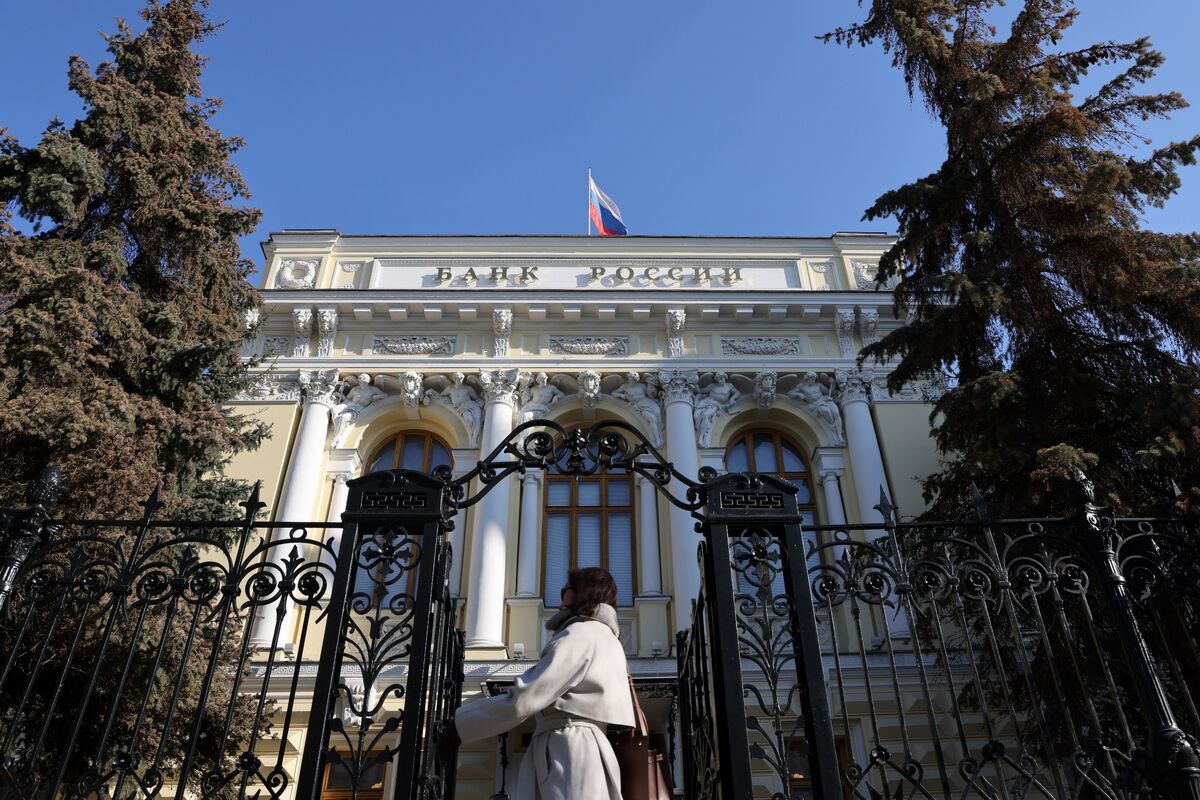
This measure in Cairo, as reported by NPR Health, serves as a tangible indicator of the economic distress experienced far from the conflict zone. The early closures impact the hospitality sector directly, leading to reduced operating hours, lower revenues, and potential job cuts for service industry workers. The image provided by Ahmed Gomaa/Xinhua News Agency depicting night life in Egypt underscores the cultural and social disruption caused by these economic adjustments, illustrating how geopolitical events can alter the fabric of daily life in unexpected ways.
Why This Matters
This unfolding economic crisis matters profoundly because it directly impacts the livelihoods and daily existence of millions of people across continents, far beyond the immediate conflict zones. For families in places like Egypt, rising fuel and food prices mean a significant reduction in purchasing power, making it harder to afford basic necessities. This can push vulnerable populations further into poverty, exacerbate existing social inequalities, and even lead to increased social unrest as economic frustrations mount. The curtailment of night life in Cairo, for instance, is not merely an inconvenience; it represents a blow to local economies reliant on tourism and hospitality, impacting small business owners and their employees.
Moreover, the global nature of these economic repercussions highlights the fragility of interconnected supply chains and markets. A conflict in one region can send shockwaves through international trade, affecting everything from agricultural output in Vietnam to energy prices in Europe. This demonstrates how geopolitical instability can undermine global economic recovery efforts and complicate the fight against inflation that many countries are currently undertaking. The erosion of job opportunities, particularly in sectors sensitive to consumer spending and energy costs, poses a long-term threat to economic development and stability in affected nations.
Ultimately, this situation underscores the critical importance of global peace and stability for economic well-being. When major conflicts erupt, the cost is borne not just by those directly involved but by a vast network of global citizens whose access to food, fuel, and employment is compromised. The ability of nations to mitigate these external shocks, protect their most vulnerable citizens, and maintain economic resilience becomes a paramount challenge, demanding coordinated international responses and proactive policy-making to prevent widespread humanitarian and economic crises.
Full Report
The economic fallout from the ongoing conflict in Iran is creating a complex web of challenges that stretch from the bustling cities of the Middle East to the agricultural heartlands of Southeast Asia. A primary concern is the escalating cost of fuel, which has seen significant increases on international markets. This surge in energy prices directly impacts transportation costs for goods, from raw materials to finished products, leading to higher prices for consumers globally. For instance, the cost of bringing rice from farms in Vietnam to urban centers, or transporting essential goods across Egypt, has become substantially more expensive, contributing to inflationary pressures that erode household budgets.
Compounding the issue of rising fuel costs is the increasing difficulty in securing adequate food supplies. Disruptions to global trade routes, coupled with increased energy costs for agricultural production and distribution, are making food harder to obtain and more expensive. This is particularly critical in regions already facing food insecurity, where even minor price hikes can have devastating consequences for families. The NPR Health report specifically mentions rice farming in Vietnam, indicating that even staple food production in distant regions is feeling the strain, potentially affecting global food markets and the livelihoods of farmers.
The economic pressures are also leading to a significant contraction in job markets. Businesses, facing higher operational costs and reduced consumer spending, are often forced to cut back on staff or halt expansion plans. This results in a scarcity of employment opportunities, particularly in sectors sensitive to economic downturns such as hospitality, retail, and manufacturing. The report highlights this trend as 'jobs evaporating,' a stark description of the widespread economic uncertainty facing workers in various countries.
In a tangible manifestation of these broader economic trends, authorities in Cairo have implemented a directive requiring cafes and restaurants to close by 9 p.m. This measure, while seemingly aimed at energy conservation or public order, is a clear indicator of the economic challenges facing Egypt. The hospitality sector, a significant employer and contributor to the economy, is directly impacted by reduced operating hours, leading to lower revenues for establishments and decreased income for employees. This policy reflects a government response to the economic strain, attempting to manage resources and mitigate the impact of rising costs on the broader economy and social fabric.
Context & Background
The current economic strains, particularly the rising fuel costs and food scarcity, are not isolated incidents but are deeply intertwined with the broader geopolitical landscape surrounding the conflict in Iran. Historically, conflicts in major oil-producing regions like the Middle East have consistently led to volatility in global energy markets. Iran itself is a significant player in the global oil and gas industry, and any instability or perceived threat to its production or export capabilities can trigger speculative buying and drive up prices worldwide. This immediate impact on fuel costs then cascades through the entire global economy, affecting everything from transportation to manufacturing.
Furthermore, the Middle East is a critical nexus for international trade routes, including vital shipping lanes. Disruptions or increased security risks in these areas can lead to higher insurance premiums for shipping, longer transit times, and increased operational costs for maritime trade. These factors collectively contribute to the rising cost and reduced availability of goods, including essential food items. Many developing nations, heavily reliant on imports for both energy and food, are particularly vulnerable to these disruptions, as their economies may lack the resilience to absorb such external shocks without significant domestic impact.
The global economy was already navigating a period of increased inflation and supply chain fragilities following the COVID-19 pandemic and other regional conflicts. The conflict in Iran adds another layer of complexity and uncertainty to this already delicate situation. It exacerbates existing inflationary pressures, complicates central banks' efforts to stabilize economies, and places additional strain on international cooperation. The impact on daily life, from night life in Egypt to agricultural practices in Vietnam, underscores how deeply globalized economies are and how quickly geopolitical events can translate into tangible hardships for ordinary citizens far from the conflict's epicenter.
What to Watch Next
Observers should closely monitor global energy markets for continued volatility in oil and gas prices, as any escalation or de-escalation in the conflict could trigger significant shifts. Specific attention should be paid to the Strait of Hormuz, a critical chokepoint for global oil shipments, as any disruption there would have immediate and severe global economic consequences. The responses of major oil-producing nations and international energy organizations to potential supply shortfalls will be crucial in determining the trajectory of fuel costs.
Furthermore, watch for reports from international bodies such as the World Bank and the International Monetary Fund regarding global economic forecasts, particularly their assessments of inflation and growth in developing economies. These reports will provide critical insights into the broader economic impact of the conflict on vulnerable nations and potential policy recommendations. Domestically, in countries like Egypt, observe any further government interventions or economic policies aimed at mitigating the impact of rising costs, such as subsidies, price controls, or additional austerity measures, and their reception by the public and businesses.
Source Attribution
This report draws on coverage from NPR Health, specifically an article detailing the global economic impact of the conflict in Iran, including rising fuel costs, food scarcity, job losses, and specific measures taken in Cairo.
Found this story useful? Share it:
Sources (1)
NPR Health
"From night life in Egypt to rice farming in Vietnam, the war in Iran is a drain"
April 24, 2026