US Navy Authorization Amidst Strait of Hormuz Tensions and Blockade Standoff
Compiled from 2 Sources
This report draws on coverage from Al Jazeera, BBC World and presents a structured, balanced account that notes where outlets differ in their reporting.
Key Points
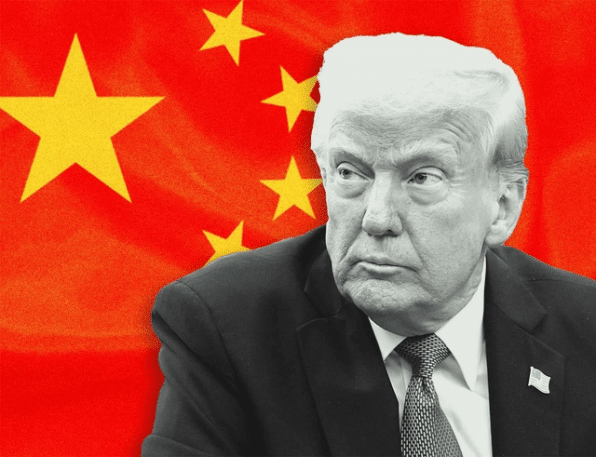
- President Trump authorized the U.S. Navy to target Iranian fast boats in the Strait of Hormuz, as reported by Al Jazeera.
- Al Jazeera attributed this authorization to Hegseth, indicating a direct presidential directive.
- BBC World characterized the situation in the Strait of Hormuz as a "dangerous standoff."
- The U.S. and Iran's rival blockades in the Strait have become a "test of wills," according to Lyse Doucet via BBC World.
- The Strait of Hormuz is a critical global chokepoint for oil transport, making any escalation highly significant.
- The authorization signals a potentially more aggressive U.S. military posture in the region.
- Differences in framing highlight a specific military authorization (Al Jazeera) versus a broader strategic standoff (BBC World).
Introduction
The Strait of Hormuz, a critical maritime chokepoint, has recently become the focal point of heightened tensions between the United States and Iran. New developments indicate a significant escalation in the posture of U.S. naval forces operating in the region. This situation underscores a deepening geopolitical rivalry with potential implications for international shipping and regional stability. The strategic importance of the Strait, through which a substantial portion of the world's oil supply passes, amplifies the gravity of these recent authorizations and ongoing disputes.
Key Facts
According to Al Jazeera, President Trump authorized the U.S. Navy to target Iranian fast boats operating in the Strait of Hormuz. This authorization was specifically attributed to Hegseth by Al Jazeera. BBC World, in its reporting, characterized the ongoing situation in the Strait of Hormuz as a "dangerous standoff." The BBC further noted that the rival blockades imposed by the U.S. and Iran in the Strait have evolved into a "test of wills," a sentiment expressed by Lyse Doucet. These details highlight both a specific military authorization and the broader strategic interpretation of the current environment.
Why This Matters
The authorization for the U.S. Navy to target Iranian fast boats represents a significant shift in the rules of engagement and carries substantial real-world significance. This directive could lead to direct military confrontations, potentially destabilizing an already volatile region. Any conflict in the Strait of Hormuz would severely disrupt global oil supplies, impacting energy prices worldwide and potentially triggering economic repercussions far beyond the Middle East. Furthermore, the characterization of the situation as a "test of wills" by BBC World suggests that neither side is willing to concede, increasing the likelihood of prolonged tension or miscalculation. The safety of international shipping, which relies on the unimpeded passage through the Strait, is directly threatened by such escalations, affecting trade routes and supply chains globally. This situation demands careful monitoring due to its potential to ignite a broader regional conflict with international ramifications.
Full Report
Al Jazeera reported that President Trump issued an authorization for the U.S. Navy to target Iranian fast boats within the Strait of Hormuz. This specific detail was attributed to Hegseth by Al Jazeera, indicating a direct order from the highest level of U.S. command regarding naval operations in the critical waterway. This authorization suggests a more aggressive stance by the United States in response to perceived threats or activities by Iranian vessels in the region. The context provided by Al Jazeera focuses squarely on this military directive and its immediate implications for naval engagement.
In contrast, BBC World framed the broader situation in the Strait of Hormuz as a "dangerous standoff," emphasizing the ongoing nature of the tensions rather than a single new authorization. The BBC's reporting highlighted that the rival blockades enforced by both the U.S. and Iran in the Strait have become a "test of wills." This perspective, attributed to Lyse Doucet, suggests a prolonged strategic confrontation where both nations are asserting their dominance and resolve without necessarily engaging in direct military action yet. While Al Jazeera focused on a specific authorization for military action, BBC World provided a more overarching view of the strategic competition and the psychological dimension of the conflict, underscoring the enduring nature of the dispute between the two powers over control and influence in the vital maritime passage.
Context & Background
The Strait of Hormuz has historically been a flashpoint for tensions between Iran and the United States, particularly since the 1980s. Iran views the Strait as a crucial part of its territorial waters and a strategic asset, while the U.S. maintains a commitment to freedom of navigation for international shipping. Previous incidents have included Iranian seizures of commercial vessels, harassment of U.S. naval assets, and U.S. sanctions aimed at curbing Iran's oil exports, which often involve passage through this very strait. The broader context includes Iran's nuclear program, regional proxy conflicts, and the U.S. military presence in the Persian Gulf, all of which contribute to an environment of mistrust and potential confrontation. The current situation is an extension of decades of geopolitical rivalry, exacerbated by specific actions and rhetoric from both sides.
What to Watch Next
Observers should closely monitor any official statements from the U.S. Department of Defense or the Iranian Revolutionary Guard Corps regarding naval activities in the Strait of Hormuz. Specific attention should be paid to reports of interactions between U.S. and Iranian vessels, particularly any incidents that could be interpreted as a direct application of the reported U.S. authorization. Furthermore, the rhetoric from key political figures in both Washington D.C. and Tehran will provide insight into the evolving strategic calculus. Any changes in international shipping patterns or insurance rates for vessels transiting the Strait could also signal an escalation of perceived risk. Future diplomatic efforts or lack thereof, particularly concerning nuclear negotiations or regional security dialogues, will also be critical indicators of the direction these tensions may take.
Source Attribution
This report draws on coverage from Al Jazeera and BBC World.
Found this story useful? Share it:
Sources (2)
Al Jazeera
"US Navy authorised to target Iranian fast boats in Strait of Hormuz"
April 24, 2026
BBC World
"'A dangerous standoff' as Strait of Hormuz blockade continues"
April 24, 2026