Dollar Strengthens as Market Skepticism Mounts Over Iran Ceasefire Announcement
Structured Editorial Report
This report is based on coverage from CNA and has been structured for clarity, context, and depth.
Key Points
- The U.S. dollar reached a week-high in early Asian trade on Wednesday, reflecting increased demand for the safe-haven currency.
- Market skepticism over U.S. President Donald Trump's announcement of an indefinite extension of a ceasefire with Iran fueled the dollar's strength.
- Investors are questioning the long-term viability and immediate implications of the ceasefire, suggesting underlying tensions remain.
- The dollar's rise indicates a cautious approach by global investors towards geopolitical stability in the Middle East.
- The market reaction highlights the profound influence of geopolitical events on currency valuations and global investor behavior.
Introduction
In early Asian trading on Wednesday, the U.S. dollar demonstrated stability, reaching a week-high as financial markets reacted with skepticism to President Donald Trump's recent announcement regarding an indefinite extension of a ceasefire with Iran. This market reaction underscores a prevailing uncertainty among investors about the true state of geopolitical tensions in the Middle East and the reliability of recent diplomatic overtures. The dollar's strength typically reflects a flight to safety during periods of global instability or doubt, suggesting that investors are hedging against potential renewed conflicts despite official pronouncements.
The immediate impact of this skepticism was a bolstered demand for the dollar, traditionally seen as a safe-haven currency. This move indicates that the market is not fully convinced by the ceasefire declaration, possibly anticipating further developments or a breakdown in negotiations. The currency's performance is a critical barometer of global investor confidence, and its rise signals a cautious approach to the geopolitical landscape, particularly concerning the volatile dynamics between the United States and Iran.
Key Facts
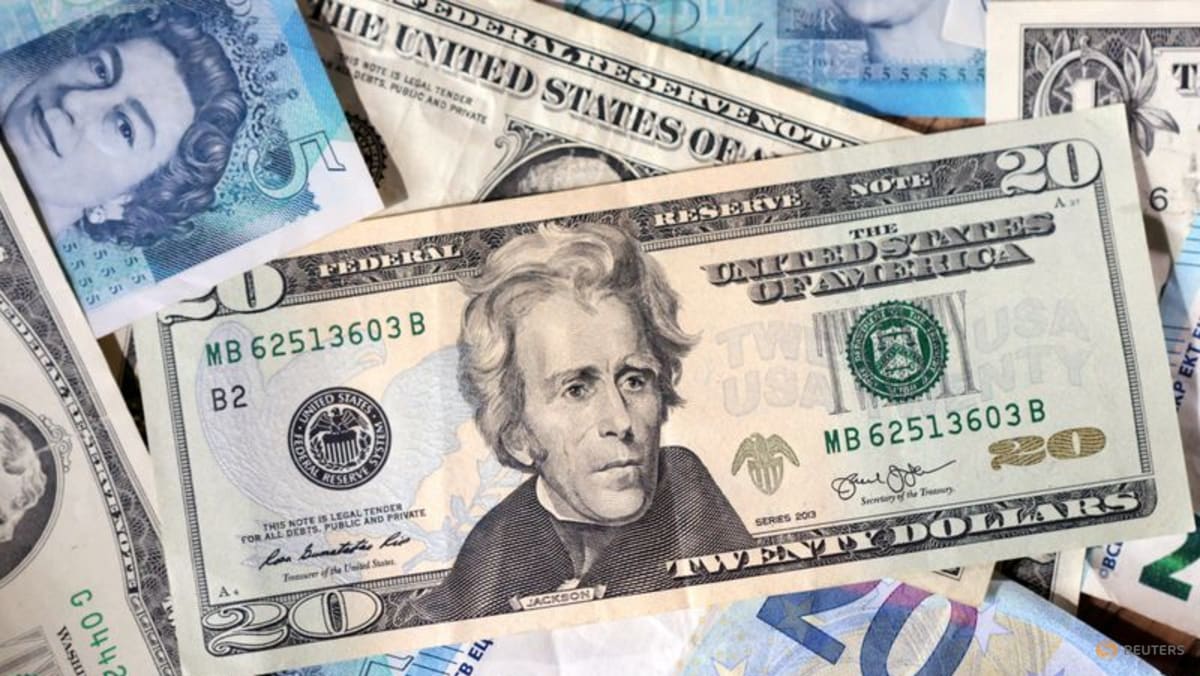
The dollar's value steadied in early Asian trade on Wednesday, marking a week-high. This upward movement was directly attributed to market skepticism surrounding U.S. President Donald Trump's announcement of an indefinite extension of a ceasefire with Iran. The demand for the dollar was consequently lifted, reflecting its status as a safe-haven asset during times of uncertainty.
Financial analysts and investors expressed doubts about the long-term viability and immediate implications of the ceasefire. The market's reaction suggests a belief that the underlying tensions between the U.S. and Iran remain unresolved, despite the official statement. This cautious sentiment drove capital towards the dollar, indicating a preference for stability amidst perceived geopolitical ambiguity.
Why This Matters
The strengthening of the U.S. dollar in response to skepticism over a major geopolitical announcement carries significant implications for global financial markets and international relations. For one, it highlights the profound influence of geopolitical events, even those communicated as positive, on currency valuations and investor behavior. A stronger dollar can make U.S. exports more expensive, potentially impacting trade balances, while also making dollar-denominated debt more costly for emerging economies, which could trigger financial instability in vulnerable regions.
Furthermore, this market reaction serves as a critical indicator of the credibility and perceived effectiveness of diplomatic efforts in highly contentious regions. When investors doubt official statements regarding de-escalation, it signals a deeper distrust in the stability of international relations and the potential for renewed conflict. This skepticism can deter foreign investment, disrupt supply chains, particularly in oil markets given Iran's significance, and increase the cost of doing business globally, ultimately affecting economic growth and stability across various sectors and countries. The ongoing uncertainty also impacts energy prices, as any perceived threat to oil production or transit routes in the Middle East can lead to price volatility, affecting consumers and industries worldwide.
Full Report
On Wednesday, the U.S. dollar experienced a notable stabilization during early Asian trading hours, ultimately reaching its highest point in a week. This upward trajectory for the dollar was primarily driven by a palpable sense of skepticism within financial markets regarding a recent announcement by U.S. President Donald Trump. The President had declared an indefinite extension of a ceasefire with Iran, a development that, on the surface, might suggest a de-escalation of tensions. However, market participants evidently viewed this announcement with caution, leading to an increased demand for the dollar as a safe-haven asset.
The market's reaction underscores a fundamental lack of conviction in the durability or true impact of the ceasefire. Investors and analysts appeared to be questioning the underlying stability of the U.S.-Iran relationship, suggesting that the declaration might not fully address the deep-seated geopolitical issues at play. This sentiment translated into a preference for the dollar, which is often sought after during periods of global uncertainty due to its perceived stability and liquidity. The currency's performance thus became a direct reflection of the prevailing geopolitical anxieties, despite official diplomatic statements.
The skepticism observed in the markets could stem from several factors, including the historical volatility of U.S.-Iran relations, previous instances of diplomatic breakthroughs quickly unraveling, or a lack of concrete details accompanying the ceasefire announcement. The absence of comprehensive information or verifiable progress on broader issues might have led investors to conclude that the risk of renewed conflict or heightened tensions remains significant. Consequently, the dollar's appreciation signifies a defensive posture adopted by global capital, prioritizing security over potential opportunities in a seemingly unstable environment.
This development highlights the intricate relationship between geopolitics and financial markets. Even seemingly positive diplomatic news can trigger adverse market reactions if the underlying conditions are not fully convincing to investors. The dollar's rise indicates that, for now, the financial world is pricing in continued uncertainty and potential for future instability in the Middle East, rather than embracing a narrative of lasting peace or de-escalation between two major global players.
Context & Background
The relationship between the United States and Iran has been fraught with tension for decades, marked by periods of intense confrontation and limited diplomatic engagement. Following the 1979 Iranian Revolution, which saw the overthrow of the U.S.-backed Shah and the establishment of an Islamic Republic, relations deteriorated sharply. Key events such as the Iran hostage crisis further cemented a deep-seated antagonism between the two nations.
More recently, tensions escalated significantly after the U.S. withdrew from the Joint Comprehensive Plan of Action (JCPOA), commonly known as the Iran nuclear deal, in 2018. This withdrawal, initiated by the Trump administration, led to the re-imposition of stringent sanctions on Iran, severely impacting its economy. Iran, in response, began to incrementally reduce its commitments under the nuclear deal, further fueling international concerns about its nuclear program. This period has also seen a series of military incidents, including attacks on oil tankers, drone shoot-downs, and strikes on oil facilities in the region, all of which have heightened fears of a broader conflict.
The backdrop to President Trump's ceasefire announcement includes a series of direct and indirect confrontations, making any declaration of de-escalation subject to intense scrutiny. The market's skepticism is rooted in this long history of mistrust and recent escalations, where diplomatic overtures have often been met with caution, given the complex and often unpredictable dynamics of the region. The current situation reflects a continuation of this delicate balance, where official statements are carefully weighed against the historical context and ongoing geopolitical realities.
What to Watch Next
Investors and international observers will closely monitor several key developments to gauge the true impact and longevity of the U.S.-Iran ceasefire. The immediate focus will be on any official statements or actions from both Washington and Tehran that either confirm or contradict the spirit of the ceasefire. Specific attention should be paid to whether Iran continues its incremental rollback of nuclear commitments or shows signs of returning to full compliance with the JCPOA.
Further, the activities of regional proxies and the security situation in the Strait of Hormuz will be critical indicators. Any incidents involving shipping or military assets in the Persian Gulf could quickly undermine confidence in the ceasefire. Additionally, upcoming diplomatic engagements, such as potential back-channel negotiations or multilateral discussions involving European powers, could provide clarity on the path forward. Market reactions to these events, particularly the dollar's performance, will serve as a real-time barometer of perceived stability.
Source Attribution
This report draws on coverage from CNA.
Found this story useful? Share it:
Sources (1)
CNA
"Dollar at week high as markets raise doubts over Iran ceasefire"
April 22, 2026