
Strait of Hormuz Tensions Escalate Following Reported Vessel Attacks and Renewed Closure Claims
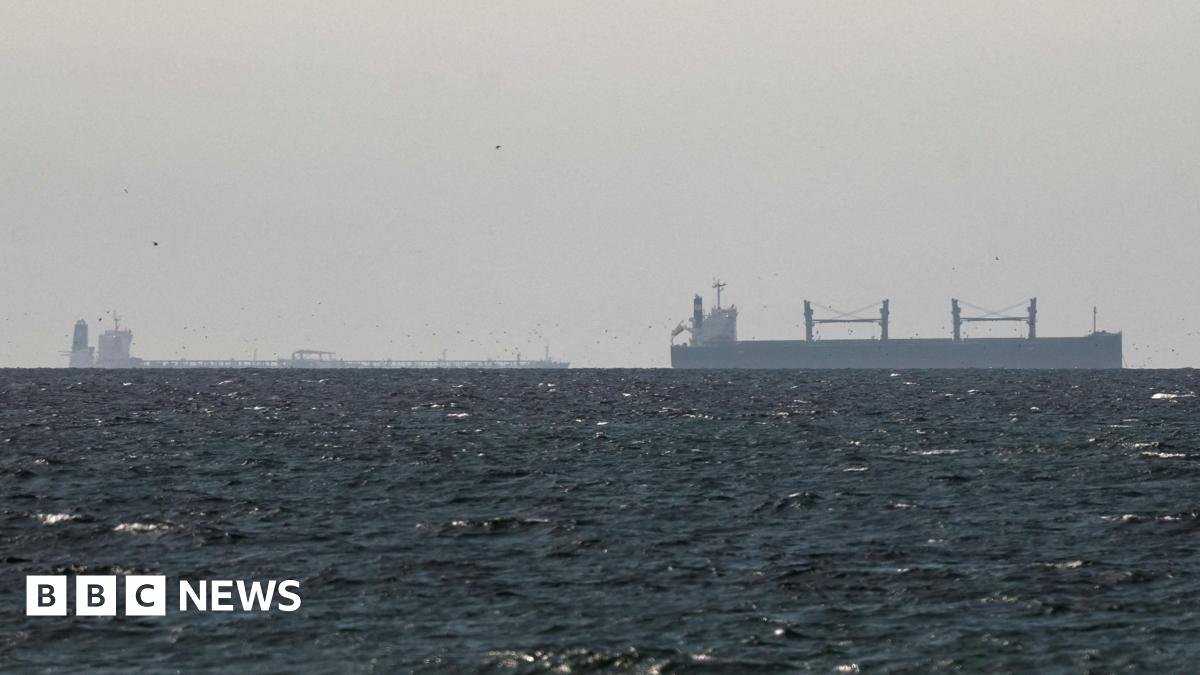
Compiled from 3 Sources
This report draws on coverage from BBC News, OCRegister, CNN and presents a structured, balanced account that notes where outlets differ in their reporting.
Key Points
- BBC News reported multiple vessel attacks by Iran in the Strait of Hormuz on Saturday, including two Iranian gunboats opening fire on a tanker.
- Iran has claimed the Strait of Hormuz is closed again, according to BBC News, following the reported attacks.
- CNN highlighted a rapid shift in the situation, noting that expectations just a day prior suggested increased traffic due to an expiring US-Iran ceasefire.
- The OCRegister described the Strait of Hormuz as a vital waterway between Oman and Iran, connecting the Persian Gulf to the Arabian Sea.
- The strait is capable of handling the world's largest crude oil tankers, underscoring its critical role in global trade, as reported by OCRegister.
- The incidents raise significant concerns for global energy markets, international maritime security, and regional geopolitical stability.
Introduction
Reports of vessel attacks in the Strait of Hormuz on Saturday have led to renewed claims of the strait's closure by Iran, according to BBC News. This development unfolds amidst a period of heightened regional sensitivity, with CNN highlighting the rapid shift in the situation over a single day. The critical waterway, known for its significant role in global trade, particularly oil shipments, is once again at the center of international attention following these incidents.
TheThe reported attacks and subsequent Iranian statements underscore the volatile nature of maritime security in one of the world's most strategically important choke points. The incidents have prompted immediate international concern regarding the safety of commercial shipping and the potential for broader geopolitical ramifications. This situation marks a significant escalation in the ongoing tensions surrounding the strait, drawing focus to its vital economic and strategic importance.
Key Facts
BBC News reported that several vessels were attacked by Iran on Saturday, specifically mentioning that two Iranian gunboats opened fire on a tanker. The UK Maritime Trade Operations (UKMTO) confirmed these details to the BBC. CNN noted the swift change in the situation, suggesting that just a day prior, there was an expectation of more ships transiting the strait as a US-Iran ceasefire approached its expiration. The OCRegister provided crucial geographical context, stating that the Strait of Hormuz is situated between Oman and Iran, connecting the Persian Gulf with the Gulf of Oman and the Arabian Sea.
The OCRegister further detailed the strait's capacity, noting it is deep and wide enough to accommodate the world's largest crude oil tankers. This geographical and logistical detail is critical for understanding the strait's global economic significance. The BBC's report of Iranian claims of closure directly contradicts any expectation of increased traffic, highlighting a significant and immediate shift in the operational status and perceived security of the waterway.
Why This Matters
The Strait of Hormuz is a critical artery for global commerce, particularly for the international energy market. The OCRegister emphasizes its role as a conduit for a substantial share of global trade, making any disruption or threat to its passage a matter of profound economic concern worldwide. Approximately one-fifth of the world's oil supply, along with significant volumes of liquefied natural gas, passes through this narrow channel daily. Any impediment to this flow, whether due to direct attacks or perceived security risks, can trigger spikes in global energy prices, impacting industries, consumers, and national economies far beyond the immediate region.
Beyond economics, the incidents carry significant geopolitical weight. The reported attacks and subsequent claims of closure by Iran, as noted by the BBC, directly challenge international maritime law and freedom of navigation. This raises the stakes for international relations, potentially drawing in major global powers with vested interests in regional stability and secure trade routes. The actions in the strait are often indicators of broader regional tensions, reflecting the complex dynamics between Iran, its neighbors, and Western nations, particularly the United States.
Furthermore, the safety of seafarers and commercial vessels is paramount. Reports of gunboat attacks, as detailed by the BBC, create an environment of extreme risk for maritime personnel and shipping companies. This can lead to increased insurance premiums, rerouting of vessels, and delays in supply chains, all of which contribute to higher costs and economic inefficiency. The ongoing uncertainty, highlighted by CNN's observation of rapid shifts in expectations, underscores the fragility of stability in this vital maritime corridor and its potential to trigger wider international crises.
Full Report
On Saturday, reports emerged of multiple vessels being attacked in the Strait of Hormuz, with BBC News specifically detailing that two Iranian gunboats opened fire on a tanker. This information was corroborated by the UK Maritime Trade Operations (UKMTO), which communicated these details to the BBC. Concurrently with these attack reports, Iran reportedly claimed the strait was closed again, a significant development that immediately escalated tensions in the critical waterway.
CNN provided a perspective on the rapid changes in the situation, noting a stark contrast from the previous day. According to CNN, just 24 hours earlier, there was an expectation that more ships might begin transiting the Strait of Hormuz as a US-Iran ceasefire agreement approached its expiration. This immediate shift from anticipated increased traffic to reported attacks and closure claims highlights the volatile and unpredictable nature of maritime security in the region, as observed by CNN's reporting.
The OCRegister offered crucial contextual information regarding the Strait of Hormuz itself, describing its geographical location between Oman and Iran. The strait serves as a vital connection between the Persian Gulf, the Gulf of Oman, and the Arabian Sea. The OCRegister emphasized that the waterway is both deep and wide enough to accommodate the world's largest crude oil tankers, underscoring its indispensable role in global energy transport. This detail from the OCRegister highlights the immense strategic and economic importance of any events occurring within the strait.
The differing emphasis in reporting reflects the multifaceted nature of the event. While the BBC focused on the immediate operational impact of attacks and closure claims, CNN highlighted the abrupt shift in regional expectations and the swift deterioration of the security outlook. The OCRegister, meanwhile, provided the foundational geographical and economic context necessary to understand the global implications of any disruption in this critical maritime passage. These combined perspectives illustrate the complex interplay of immediate incidents, regional dynamics, and global economic dependencies.
Context & Background
The Strait of Hormuz has a long history of geopolitical significance and has frequently been a flashpoint for international tensions, particularly involving Iran. Its strategic location, as described by the OCRegister, makes it a critical choke point for global oil and gas shipments. Past incidents, including tanker attacks, mine placements, and naval confrontations, have periodically drawn international attention to the strait, often coinciding with periods of heightened political friction between Iran and Western powers or regional rivals.
Iran has, on several occasions, threatened to close the strait in response to international sanctions or military pressures. These threats are often viewed as a strategic leverage point, given the strait's vital role in global energy markets. The current reports of attacks and closure claims, as noted by the BBC, echo these historical patterns and occur within a broader context of ongoing geopolitical rivalry and security concerns in the Middle East, including the recent expiration of a US-Iran ceasefire mentioned by CNN.
The broader situation involves a complex web of regional security alliances, international energy demands, and the continuous monitoring of maritime traffic by various international naval forces. The presence of these forces underscores the international community's vested interest in maintaining freedom of navigation and stability in the strait. Any incident, therefore, is not isolated but rather contributes to a larger narrative of regional power dynamics and the delicate balance of international relations.
What to Watch Next
Observers will closely monitor official statements from international maritime authorities, such as the UK Maritime Trade Operations (UKMTO), for further confirmation or clarification regarding the reported attacks and the operational status of the Strait of Hormuz. The reactions from major global powers, particularly the United States and European Union, will be crucial in understanding the diplomatic and security responses to these developments. Any potential increase in naval presence or changes in shipping advisories for the region should be closely watched.
Attention will also be on the trajectory of oil prices and global energy markets, which often react swiftly to disruptions or threats in the Strait of Hormuz. Analysts will be assessing whether the reported incidents lead to sustained price increases or if the market absorbs the news without significant long-term impact. Furthermore, any official communications from Iran regarding the alleged closure and its duration will be critical for assessing the immediate future of maritime traffic through the strait.
Source Attribution
This report draws on coverage from BBC News, OCRegister, and CNN.
Found this story useful? Share it:
Sources (3)
OCRegister
"Here’s the share of global trade passing through the Strait of Hormuz"
April 18, 2026