US House Rejects Measure to Limit Presidential Authority on Iran Conflict, Amid Trump's Comments on Papal Disagreement
Compiled from 2 Sources
This report draws on coverage from CBS News, Al Jazeera English and presents a structured, balanced account that notes where outlets differ in their reporting.
Key Points
- US House of Representatives voted down a measure to curtail President Trump's power to wage war with Iran.
- The legislative effort failed by a slim margin, indicating deep divisions within the House.
- The vote on the measure took place on a Thursday, as reported by Al Jazeera English.
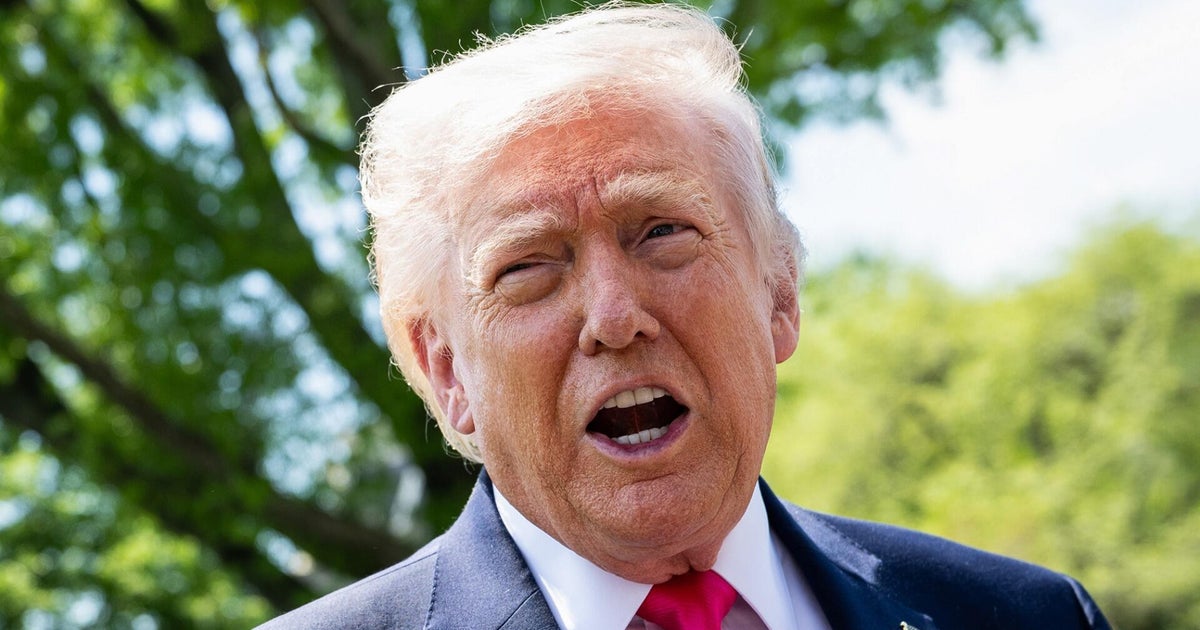
- President Trump stated, "I have a right to disagree with the Pope," amid criticisms regarding Iran.
- CBS News reported President Trump's comments on papal disagreement in the context of Iran war criticisms.
- The events highlight ongoing debate over executive war powers and presidential rhetoric concerning Iran.
Introduction
The United States House of Representatives recently voted to reject a legislative measure aimed at restricting President Donald Trump's authority to initiate military action against Iran. The vote, which occurred on a Thursday, concluded with a narrow margin, underscoring the deep divisions within Congress regarding executive war powers. This development unfolded concurrently with President Trump's public assertion of his right to disagree with Pope Francis, a statement made amidst ongoing discussions and criticisms surrounding US policy towards Iran. The convergence of these events highlights the intricate interplay between legislative oversight, presidential prerogative, and international relations in shaping US foreign policy, particularly concerning the volatile situation with Iran. The outcome of the House vote signifies a continued debate over the balance of power between the executive and legislative branches in matters of war and peace, a constitutional tension that has historically resurfaced during periods of heightened international tension.
Key Facts
* **Legislative Action:** The U.S. House of Representatives voted against a measure designed to limit President Trump's ability to wage war with Iran.
* **Vote Margin:** The legislative effort was defeated by a slim margin, with reports indicating a difference of only a single vote, reflecting a highly divided legislative body on this issue.
* **Timing:** The vote took place on a Thursday, though the specific date was not provided in the original content.
* **Presidential Statement:** Amidst criticisms related to the Iran situation, President Trump publicly stated, "I have a right to disagree with the Pope."
* **Context:** Both events occurred during a period of elevated tensions between the United States and Iran, marked by concerns over potential military conflict.
* **Constitutional Debate:** The House vote reignites long-standing debates about the scope of presidential war powers versus congressional authority to declare war.
* **Sources:** Al Jazeera English reported on the House vote, while CBS News covered President Trump's comments regarding the Pope.
Why This Matters
The rejection of the measure to limit presidential war powers against Iran carries significant implications for both domestic governance and international stability. For American citizens, this outcome means that the President retains broad authority to engage in military actions without explicit prior congressional approval, potentially leading to rapid escalations of conflict. This raises questions about democratic accountability in decisions of war and peace, as the legislative branch, closest to the people, has ceded a degree of its constitutional power in this instance.
Internationally, the unconstrained executive authority regarding Iran could exacerbate regional tensions. Allies and adversaries alike will closely watch US actions, as the potential for unilateral military intervention remains high. This could destabilize the Middle East further, impact global oil markets, and potentially draw other nations into a broader conflict. For individuals and businesses with interests in the region, this translates to increased uncertainty and risk.
Furthermore, President Trump's public statement regarding his right to disagree with the Pope, while seemingly separate, underscores a broader approach to foreign policy that prioritizes presidential discretion and challenges traditional diplomatic norms. This can affect international alliances and the perception of US leadership, influencing how other nations engage with American foreign policy initiatives. The confluence of these events signals a period of continued unpredictability in US foreign policy, with direct consequences for global security, economic stability, and the constitutional balance of power within the United States.
Full Report
The United States House of Representatives recently undertook a critical vote concerning the executive branch's authority to initiate military action against Iran, ultimately rejecting a measure designed to curtail President Donald Trump's war powers. The vote, which transpired on a Thursday, concluded with an exceptionally narrow margin, reportedly by a single vote, highlighting the deep partisan and ideological divisions within Congress on matters of national security and presidential prerogative. This legislative attempt reflects a recurring tension in American governance regarding the balance of power between the President, as Commander-in-Chief, and Congress, which holds the constitutional power to declare war. The failure of this measure means that, for now, the President retains significant latitude in determining military engagements with Iran, a nation with whom tensions have been consistently high.
Simultaneously, President Trump made a notable public statement asserting his right to disagree with Pope Francis. This comment emerged amidst a backdrop of escalating criticisms directed at the administration's policy towards Iran and the potential for military confrontation. While the specific context of the Pope's perceived disagreement was not detailed, the President's remarks underscore a broader characteristic of his administration's approach to criticism and international figures. The juxtaposition of these two events—a legislative body debating the President's war powers and the President publicly defending his stance against an influential global figure—illustrates the multifaceted and often unconventional nature of US foreign policy under the current administration.
Al Jazeera English reported extensively on the legislative aspect, emphasizing the narrowness of the House vote and its implications for congressional oversight of military actions. The outlet's coverage underscored that the outcome was not a resounding endorsement of presidential power but rather a reflection of a deeply divided Congress, where a significant bloc of lawmakers sought to reassert legislative authority over war-making decisions. The defeat of the measure, despite strong support from some members, suggests that future attempts to limit executive power regarding Iran are likely, given the slim margin.
Concurrently, CBS News provided coverage of President Trump's comments regarding Pope Francis. The President's assertion, "I have a right to disagree with the Pope," was presented within the broader context of criticisms surrounding the administration's Iran policy. This statement, while seemingly personal, can be interpreted as a defense of the President's independent decision-making in foreign policy, even when faced with moral or ethical appeals from prominent international leaders. The confluence of these reports paints a picture of a US government grappling with internal constitutional debates while simultaneously navigating complex international relations and presidential rhetoric that often challenges traditional diplomatic norms. The events collectively signal continued volatility in US-Iran relations and ongoing scrutiny of the executive's role in foreign policy.
Context & Background
The debate over presidential war powers versus congressional authority is a foundational and recurring theme in American history, rooted in the U.S. Constitution. Article I grants Congress the power to "declare War," while Article II designates the President as "Commander in Chief of the Army and Navy." This inherent tension has led to numerous disputes, particularly in the post-World War II era, as presidents have frequently engaged in military actions without formal declarations of war from Congress. Examples range from the Korean and Vietnam Wars to more recent interventions in the Middle East. The War Powers Resolution of 1973 was a legislative attempt by Congress to reassert its authority, requiring the President to consult with Congress before committing U.S. armed forces to hostilities and to withdraw forces within 60-90 days unless Congress authorizes their continued deployment. However, presidents have often viewed this resolution as an infringement on their executive powers, leading to its frequent circumvention or challenge.
The relationship between the United States and Iran has been fraught with tension since the 1979 Iranian Revolution, which saw the overthrow of the U.S.-backed Shah and the establishment of an Islamic Republic. Decades of mistrust, sanctions, and proxy conflicts have characterized this relationship. Key flashpoints include the Iran-Contra affair, Iran's nuclear program, and its regional influence through various non-state actors. Under the Trump administration, tensions escalated significantly following the U.S. withdrawal from the Joint Comprehensive Plan of Action (JCPOA), commonly known as the Iran nuclear deal, in 2018. This withdrawal, coupled with a "maximum pressure" campaign of sanctions, led to a series of retaliatory actions and counter-actions, including attacks on oil tankers, drone incidents, and the killing of Iranian General Qassem Soleimani, bringing the two nations to the brink of direct military conflict.
The legislative efforts in the House to limit President Trump's war powers against Iran are thus part of a broader historical pattern where Congress seeks to rein in executive authority, especially when the specter of war looms large. The narrowness of the vote reflects not only the partisan divide but also a genuine concern among some lawmakers about the potential for an unauthorized and potentially disastrous conflict. President Trump's comments regarding Pope Francis, a figure of immense moral authority, can be understood within the context of his administration's broader approach to international relations, which often prioritizes national interest as defined by the executive and is less constrained by traditional diplomatic protocols or international consensus. This historical and situational background provides crucial context for understanding the significance of the recent legislative action and presidential rhetoric.
What to Watch Next
Several key developments warrant close observation following the House's rejection of the measure to limit presidential war powers against Iran.
Firstly, **Congressional Re-evaluation and Future Legislative Attempts:** Given the extremely narrow margin of the vote, it is highly probable that similar legislative efforts will resurface in the House, and potentially in the Senate. Lawmakers concerned about unchecked executive power may seek alternative avenues, such as amendments to defense authorization bills or standalone resolutions, to assert congressional authority over war-making. The specifics of any new proposals, including bipartisan support and the timing of their introduction, will be critical indicators.
Secondly, **Presidential Actions and Rhetoric Regarding Iran:** Observers will closely monitor any further statements or actions from President Trump concerning Iran. Any escalation of rhetoric, new sanctions, or military deployments in the region could signal a shift in policy or an increased risk of confrontation. The administration's response to any perceived Iranian provocations will also be under intense scrutiny.
Thirdly, **International Reactions and Diplomatic Engagements:** The international community, particularly European allies and regional powers in the Middle East, will be watching US policy closely. Any diplomatic initiatives or lack thereof, especially from European nations attempting to de-escalate tensions or revive aspects
Found this story useful? Share it:
Sources (2)
CBS News
"Trump says "I have a right to disagree with the Pope" amid Iran war criticisms"
April 16, 2026
Al Jazeera English
"US House votes down latest effort to curtail Trump’s power to wage Iran war"
April 16, 2026