
President Trump Speaks at Turning Point USA Event; Strait of Hormuz Declared Open by US and Iran
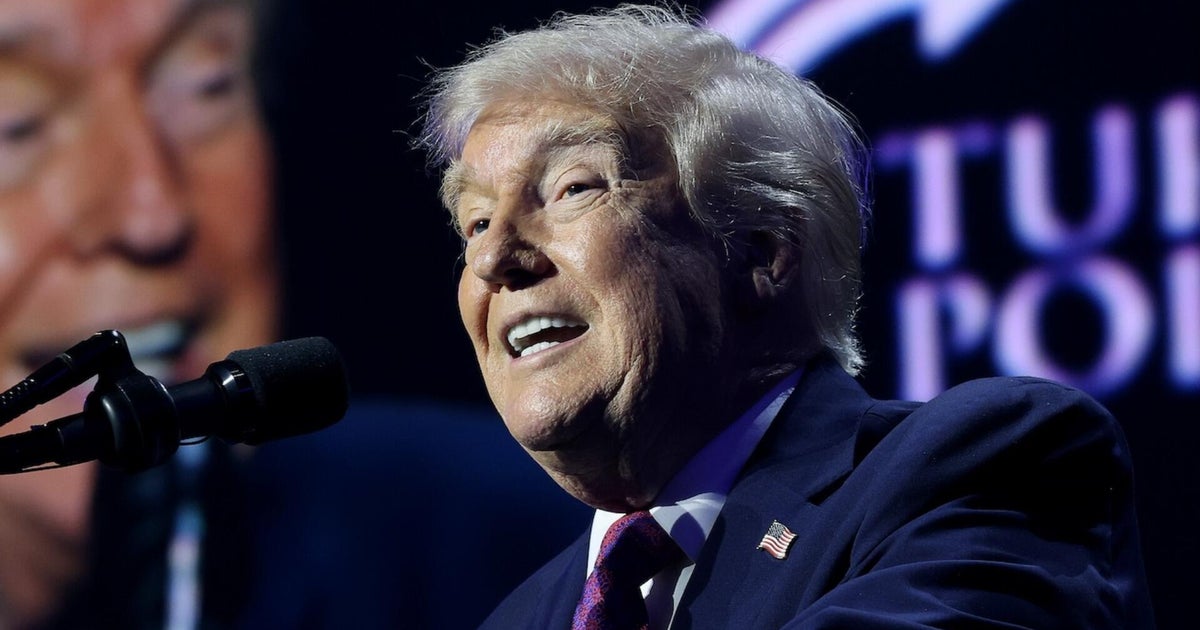
Compiled from 4 Sources
This report draws on coverage from Freerepublic.com, CBS News, USA Today and presents a structured, balanced account that notes where outlets differ in their reporting.
Key Points
- President Trump spoke at a Turning Point USA event in Phoenix, Arizona, on April 17, 2026.
- The event was named "Build the Red Wall" and took place at Dream City Church (USA Today).
- Both the United States and Iran have declared the Strait of Hormuz open (Freerepublic.com, CBS News).
- CBS News linked Trump's speech to the declaration about the Strait of Hormuz.
- USA Today focused solely on Trump's speech, providing details on location and purpose for midterm elections.
- Freerepublic.com included the Hormuz declaration as one item in a broader news summary.
Introduction
On April 17, 2026, former President Donald Trump delivered a speech at a Turning Point USA event in Phoenix, Arizona, an engagement described as part of the "Build the Red Wall" initiative ahead of the upcoming midterm elections. Concurrently, significant international news emerged regarding the Strait of Hormuz, with both the United States and Iran issuing declarations that the critical maritime chokepoint is "open." This dual development has drawn attention to both domestic political mobilization efforts and complex geopolitical dynamics in the Middle East.
Key Facts
* **Date and Location of Trump Event:** April 17, 2026, at Dream City Church in Phoenix, Arizona.
* **Event Host and Title:** Turning Point USA's "Build the Red Wall" event.
* **Purpose of Trump Event:** Positioned as a pre-midterm election engagement to mobilize conservative voters.
* **Strait of Hormuz Declaration:** Both the United States and Iran declared the Strait of Hormuz "open" on the same day.
* **Significance of Strait:** A vital global maritime chokepoint, particularly for oil shipments.
* **News Coverage:** USA Today focused on the Trump event; CBS News and Freerepublic.com reported on the Strait of Hormuz declaration, with CBS News linking it to Trump's activities.
* **Timing:** The Strait of Hormuz declaration coincided with President Trump's public appearance.
Why This Matters
The convergence of these two events—a high-profile political rally in the United States and a significant geopolitical declaration regarding a critical international waterway—carries substantial implications for various stakeholders. For American citizens, President Trump's engagement with Turning Point USA underscores ongoing efforts to shape the political landscape ahead of the midterm elections. Such events are crucial indicators of party strategy, candidate support, and the mobilization of specific voter demographics, which can directly influence legislative outcomes, policy directions, and the balance of power in Congress. The "Build the Red Wall" theme suggests a focus on consolidating conservative support and potentially expanding Republican influence in key states like Arizona.
Internationally, the declaration that the Strait of Hormuz is "open" has profound economic and security ramifications. This strait is the world's most important oil transit chokepoint, through which approximately one-fifth of global oil consumption passes daily. Its status directly impacts global energy markets, shipping costs, and the stability of international trade. A clear declaration of its openness by both the U.S. and Iran can signal a de-escalation of tensions, potentially leading to increased confidence in maritime navigation, stabilized oil prices, and reduced insurance premiums for vessels operating in the region. Conversely, any ambiguity or future threats to its passage could trigger significant economic disruptions and heightened geopolitical instability. The simultaneous nature of these declarations, particularly following periods of heightened tension in the region, suggests a concerted effort to project stability, which benefits global commerce and reduces the risk of conflict. For businesses and consumers worldwide, the reliable flow of goods through this strait is fundamental to economic predictability and supply chain integrity.
Full Report
On April 17, 2026, former President Donald Trump addressed a crowd at Dream City Church in Phoenix, Arizona, as part of a Turning Point USA event. The event, branded "Build the Red Wall," was organized by the conservative student organization known for its efforts to engage young conservatives and mobilize voters. USA Today reported that the speech, delivered at approximately 6:51 p.m. ET, served as a key engagement in the run-up to the upcoming midterm elections, indicating a strategic focus on bolstering Republican support in critical states. Turning Point USA frequently hosts prominent Republican figures to rally its base and influence political discourse, and President Trump's appearance aligns with this organizational objective.
Concurrently, a significant development in international relations unfolded concerning the Strait of Hormuz. Both the United States and Iran issued declarations stating that the vital maritime chokepoint was "open." This news was reported by multiple outlets, with CBS News running a headline, "Iran, Trump say Strait of Hormuz is open: What we know," and another specifically linking the declaration to the former President's activities: "Trump speaks at Turning Point USA event after declaring Strait of Hormuz open." Freerepublic.com also referenced this development in its intelligence report summary for April 17, 2026, noting "US,Iran Proclaim Hormuz Open."
The Strait of Hormuz is a narrow passage connecting the Persian Gulf to the Arabian Sea and is globally recognized as the most critical chokepoint for oil transit. Its status directly impacts a substantial portion of the world's crude oil supply. Historically, the strait has been a flashpoint for geopolitical tensions, particularly between the United States and Iran, due to its strategic importance and Iran's geographical position controlling its northern shore. Declarations of its openness by both nations, especially following periods of heightened rhetoric or naval incidents, are generally interpreted as signals of de-escalation and a commitment to maintaining international shipping lanes.
While the various news sources largely agreed on the factual occurrence of both events, their editorial focus differed. USA Today's coverage centered exclusively on President Trump's political rally, detailing its location, purpose, and timing within the context of the midterm elections. This outlet did not mention the Strait of Hormuz declaration in its reporting on the event. In contrast, CBS News gave prominent coverage to the Strait of Hormuz development, explicitly connecting it to President Trump's public activities, suggesting a perceived linkage or significant timing between the two events. Freerepublic.com included the Strait of Hormuz declaration as one item among a broader summary of intelligence reports, indicating its inclusion as a notable international development within a wider scope of news. The simultaneous nature of these reports highlights the complex and interconnected global political landscape, where domestic political campaigning can coincide with, or be framed alongside, critical international developments.
Context & Background
The Strait of Hormuz has been a focal point of international geopolitics for decades, primarily due to its unparalleled importance to global energy security. Situated between Oman and Iran, this narrow waterway is the sole maritime passage from the Persian Gulf to the open ocean, making it indispensable for oil tankers transporting crude oil from major producers like Saudi Arabia, Iran, Iraq, Kuwait, Qatar, and the United Arab Emirates. An estimated 21 million barrels of oil per day, or about 21% of global petroleum liquids consumption, transited the strait in 2018, according to the U.S. Energy Information Administration. Any disruption to traffic through the Strait of Hormuz has the potential to trigger a global energy crisis, leading to sharp increases in oil prices and significant economic instability worldwide.
Tensions surrounding the strait have historically flared, particularly between the United States and Iran. Iran has, at various times, threatened to close the strait in response to international sanctions or military pressures, leading to increased naval deployments by the U.S. and its allies to ensure freedom of navigation. Incidents involving tanker seizures, attacks on shipping, and military exercises have periodically heightened concerns about the strait's security. Therefore, a joint declaration by both the U.S. and Iran affirming its "open" status represents a significant departure from typical confrontational rhetoric and suggests a potential, albeit perhaps temporary, de-escalation or a mutual understanding regarding the importance of unimpeded maritime passage. This declaration follows a complex history of diplomatic and military standoffs in the region.
Domestically, Turning Point USA has emerged as a significant force in conservative youth activism since its founding in 2012. The organization is known for its aggressive outreach on college campuses and its "grassroots" efforts to promote conservative principles and candidates. Its "Build the Red Wall" initiative is emblematic of broader Republican strategies to consolidate and expand electoral support, particularly in battleground states like Arizona. Arizona has been a pivotal state in recent elections, and high-profile events featuring figures like former President Trump are designed to energize the Republican base, attract new voters, and lay groundwork for electoral success in the upcoming midterm elections. These events are part of a larger, ongoing political mobilization effort that characterizes American electoral cycles, aiming to influence voter turnout and public opinion.
What to Watch Next
Several key developments warrant close observation in the aftermath of these events. Regarding the Strait of Hormuz, future statements or actions from both the United States and Iran will be critical. Analysts will be monitoring for any specific details or conditions attached to the "open" declaration, as well as any changes in naval presence or maritime security protocols in the region. The impact on global oil prices and shipping insurance rates will also be a significant indicator of how the market perceives this declaration's long-term stability. Any renewed rhetoric or incidents that challenge the freedom of navigation could quickly reverse the current positive sentiment. Furthermore, observers will be watching for any broader diplomatic engagements between the U.S. and Iran that might stem from this apparent de-escalation, potentially signaling a shift in their bilateral relationship.
On the domestic political front, the immediate focus will be on the impact of President Trump's speech and similar Turning Point USA events on voter registration and turnout in Arizona and other key states. Political analysts will be scrutinizing polling data and local election results for signs of increased conservative mobilization or shifts in voter sentiment attributed to these rallies. The specific candidates endorsed or promoted at such events will also be important to track, as their performance in the midterms could reflect the effectiveness of the "Build the Red Wall" strategy. Additionally, the broader narrative and themes emphasized by President Trump and Turning Point USA will be analyzed for their influence on the national
Found this story useful? Share it:
Sources (4)
Freerepublic.com
"News Summary-Intelligence Report 4/17/2026*Newsdump Friday*Lawyer Sees Pardon Maxwell*Iran: Trump's 7 False Claims*Somalia Warning Israel*Epstein Controversy Calls Starmer Quit*10-Day FISA Extension*US,Iran Proclaim Hormuz Open*China 5 Percent Growth*"
April 18, 2026
CBS News
"Trump speaks at Turning Point USA event after declaring Strait of Hormuz open"
April 17, 2026
USA Today
"Trump speaks in Arizona for Turning Point's 'Build the Red Wall' event"
April 17, 2026