
Federal Judge Halts Above-Ground White House Ballroom Construction, Allows National Security Work
Compiled from 3 Sources
This report draws on coverage from Raw Story, CBS News, Associated Press and presents a structured, balanced account that notes where outlets differ in their reporting.
Key Points
- A federal judge halted above-ground construction for a White House ballroom.
- U.S. District Judge Richard Leon issued the order on Thursday, affecting the East Wing.
- Below-ground construction, including work for a "presidential bunker," is permitted to continue.
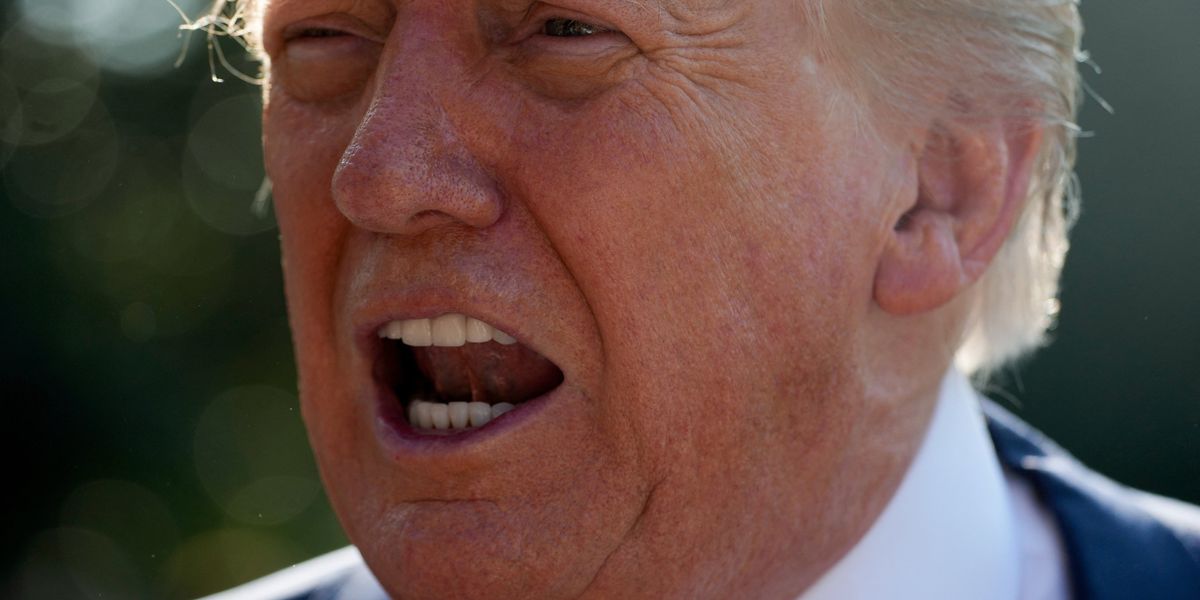
- Raw Story reported former President Trump's reaction, stating "no president can ever be safe" without the facility.
- The Associated Press noted the project was described as a "$400 million White House ballroom."
- CBS News clarified the distinction between halted above-ground and permitted underground work.
Introduction
A federal judge has issued a ruling that temporarily halts above-ground construction for a proposed expansion at the White House East Wing, while simultaneously permitting essential below-ground work to proceed. U.S. District Judge Richard Leon's order creates a clear distinction between the visible structural additions and subterranean infrastructure deemed critical for national security. This judicial intervention has brought renewed attention to the scope and purpose of the White House construction project, drawing various reactions, including a notable statement from former President Donald Trump regarding presidential safety and facility necessity. The decision underscores the complex interplay between architectural development, security imperatives, and legal oversight at the nation's most iconic residence.
Key Facts
* **Judicial Order:** U.S. District Judge Richard Leon issued an order on Thursday, mandating a halt to above-ground construction on the White House East Wing project.
* **Permitted Work:** The ruling explicitly allows for the continuation of below-ground construction, particularly work identified as pertaining to national security.
* **Project Description:** The above-ground component has been referred to as a "ballroom," while the underground portion has been described as a "presidential bunker."
* **Estimated Cost:** The overall project, including both above and below-ground elements, has been reported to have an estimated cost of $400 million.
* **Location:** The construction is centered on the White House East Wing.
* **Former President's Reaction:** Former President Donald Trump commented on the ruling, stating that "no president can ever be safe" without the facility, a statement characterized by some outlets as hyperbolic.
* **Legal Basis:** The specific legal arguments leading to the injunction have not been fully detailed in initial reports but center on challenges to the construction's legality or environmental impact.
Why This Matters
This judicial ruling has several significant implications, affecting both the immediate future of White House infrastructure and broader principles of governmental oversight. For taxpayers, the reported $400 million price tag associated with the project raises questions about fiscal responsibility and the allocation of public funds, particularly if portions of the project are indefinitely stalled or altered. The distinction between "ballroom" and "presidential bunker" highlights a tension between ceremonial functions and critical security needs, prompting public discourse on what constitutes essential infrastructure for the presidency.
Moreover, the intervention of a federal judge in a White House construction project underscores the checks and balances inherent in the U.S. system of government. It demonstrates that even projects at the highest levels of executive power are subject to judicial review and legal challenges, ensuring adherence to established laws and regulations. For future presidential administrations, this ruling could set a precedent regarding the transparency and justification required for significant structural modifications to the Executive Mansion.
Finally, the discussion surrounding presidential safety, as articulated by former President Trump, brings to the forefront the evolving nature of security threats and the perceived necessity for advanced protective measures. This case forces a public examination of what constitutes adequate security for the Commander-in-Chief and how those needs are balanced against historical preservation, public access, and budgetary constraints. Any delays or modifications to these security-related components could have tangible impacts on operational readiness and the safety protocols surrounding the presidency.
Full Report
U.S. District Judge Richard Leon issued a pivotal order on Thursday, effectively bifurcating the ongoing construction project at the White House East Wing. The ruling mandates an immediate halt to all above-ground construction activities, while simultaneously granting permission for the continuation of below-ground work, particularly that which pertains to national security. This decision marks a significant development in a project that has drawn considerable attention due to its scale, cost, and the nature of its proposed components.
The above-ground structure, which has been identified by some reports as a "ballroom," is now subject to a judicial injunction, preventing further progress. This portion of the project has been a point of public discussion, with questions raised about its necessity and impact on the historic White House complex. Conversely, Judge Leon's order explicitly carves out an exception for subterranean construction, acknowledging its potential role in national security. This underground component has been referred to as a "presidential bunker," suggesting its design incorporates advanced protective measures and operational capabilities crucial for continuity of government in crisis scenarios.
The overall project has been estimated to cost approximately $400 million, a figure that has contributed to public interest and scrutiny. The judge's decision to differentiate between the above-ground and below-ground elements suggests a legal recognition of varying levels of public interest and strategic importance associated with each part of the construction. While the aesthetic and functional aspects of a new ballroom might be subject to public and legal challenge, the security implications of a presidential bunker are often treated with greater deference due to their critical nature.
Following the judge's order, former President Donald Trump issued a statement concerning the development. Trump reportedly asserted that "no president can ever be safe" without the completion of the facility, a claim that some news outlets characterized as hyperbolic. This reaction underscores the perceived importance of such infrastructure from a presidential security perspective, particularly in an era of evolving threats. Trump's statement highlights the ongoing debate about the balance between modern security requirements and the preservation of historical structures.
The specifics of the legal challenge that led to Judge Leon's injunction have not been fully detailed in initial reports, but such challenges often involve environmental impact assessments, historical preservation concerns, or procedural irregularities in the approval process. The court's willingness to intervene suggests that at least some aspects of the construction project faced substantive legal questions. The ruling provides a temporary resolution, allowing critical security work to advance while placing a pause on more visible, potentially controversial, elements. This judicial oversight ensures that even projects of national significance are subject to legal scrutiny and must adhere to established regulatory frameworks.
Context & Background
The White House, as both the official residence and principal workplace of the President of the United States, has undergone numerous expansions, renovations, and security enhancements throughout its more than 200-year history. These modifications have often been driven by evolving needs, technological advancements, and increasing security threats. From the initial construction after the 1812 burning by British troops to the extensive Truman Balcony addition and the comprehensive West Wing expansion, the building has continuously adapted.
The concept of underground facilities for presidential security is not new. During the Cold War, the threat of nuclear attack led to the construction of sophisticated bunkers and command centers designed to ensure the continuity of government. The most well-known of these is the Presidential Emergency Operations Center (PEOC) located beneath the East Wing, which gained public prominence during the September 11, 2001, attacks. These facilities are integral to national security planning, providing secure locations for the President and key officials during emergencies.
Modern presidential security, overseen by the Secret Service, involves a multi-layered approach that includes physical barriers, advanced surveillance, and secure operational spaces. As threats have diversified, encompassing terrorism, cyber warfare, and other asymmetric challenges, the need for resilient and protected infrastructure has intensified. Any major construction project at the White House is therefore viewed through a dual lens of historical preservation and contemporary security requirements.
The East Wing itself has a rich history. Originally built in 1942 during World War II to conceal the construction of an underground bunker, it serves as the public entrance for visitors, houses the East Garden, and contains offices for the First Lady and her staff. Its strategic location makes it a prime candidate for both functional expansion and enhanced security measures.
Previous White House construction projects have also faced public scrutiny and legal challenges. For instance, renovations often involve navigating complex regulations related to historic preservation, environmental impact, and public access. The current project's reported $400 million cost places it among the most significant renovations in recent decades, drawing comparisons to other large-scale government infrastructure initiatives. The involvement of a federal judge in this instance underscores the legal and regulatory complexities inherent in modifying a national landmark of such profound historical and political significance.
What to Watch Next
Several key developments will be crucial to monitor following Judge Leon's ruling.
Firstly, **potential legal appeals or further proceedings** regarding the above-ground construction are highly likely. The administration or other involved parties may appeal Judge Leon's injunction to a higher court, or new legal arguments could be presented to challenge the halt. The specific legal basis for the injunction will dictate the nature of any appeals. Observers should watch for filings in the U.S. Court of Appeals for the D.C. Circuit.
Secondly, the **progress and scope of the permitted below-ground national security work** will be a point of ongoing observation. While the judge allowed this work to continue, details about its exact nature, timelines, and any potential impacts on the surrounding area remain largely undisclosed due due to security classifications. Any public statements or leaks regarding this aspect of the project could provide further insight.
Thirdly, **statements and actions from political figures**, particularly former President Trump and current administration officials, will be important. Trump's initial reaction suggests continued interest in the project's completion. Any further comments from him or current White House staff could indicate the administration's strategy for addressing the injunction or their long-term plans for the East Wing.
Fourthly, **any new disclosures regarding the project's funding and cost overruns** will be significant. With an estimated $400 million budget, delays or changes could lead to increased expenditures. Congressional oversight committees may also take an interest in the project's financial management, especially if the legal battle prolongs.
Finally, **the specific details of the legal challenge that led to the injunction** will be important to monitor if they become public. Understanding the plaintiffs'
Found this story useful? Share it:
Sources (3)
Raw Story
"Trump unloads tirade claiming 'no president can ever be safe' after ballroom halted"
April 16, 2026
CBS News
"Federal judge blocks above-ground White House ballroom construction"
April 16, 2026
Associated Press
"Judge who halted White House ballroom construction allows national security work to proceed at site"
April 16, 2026