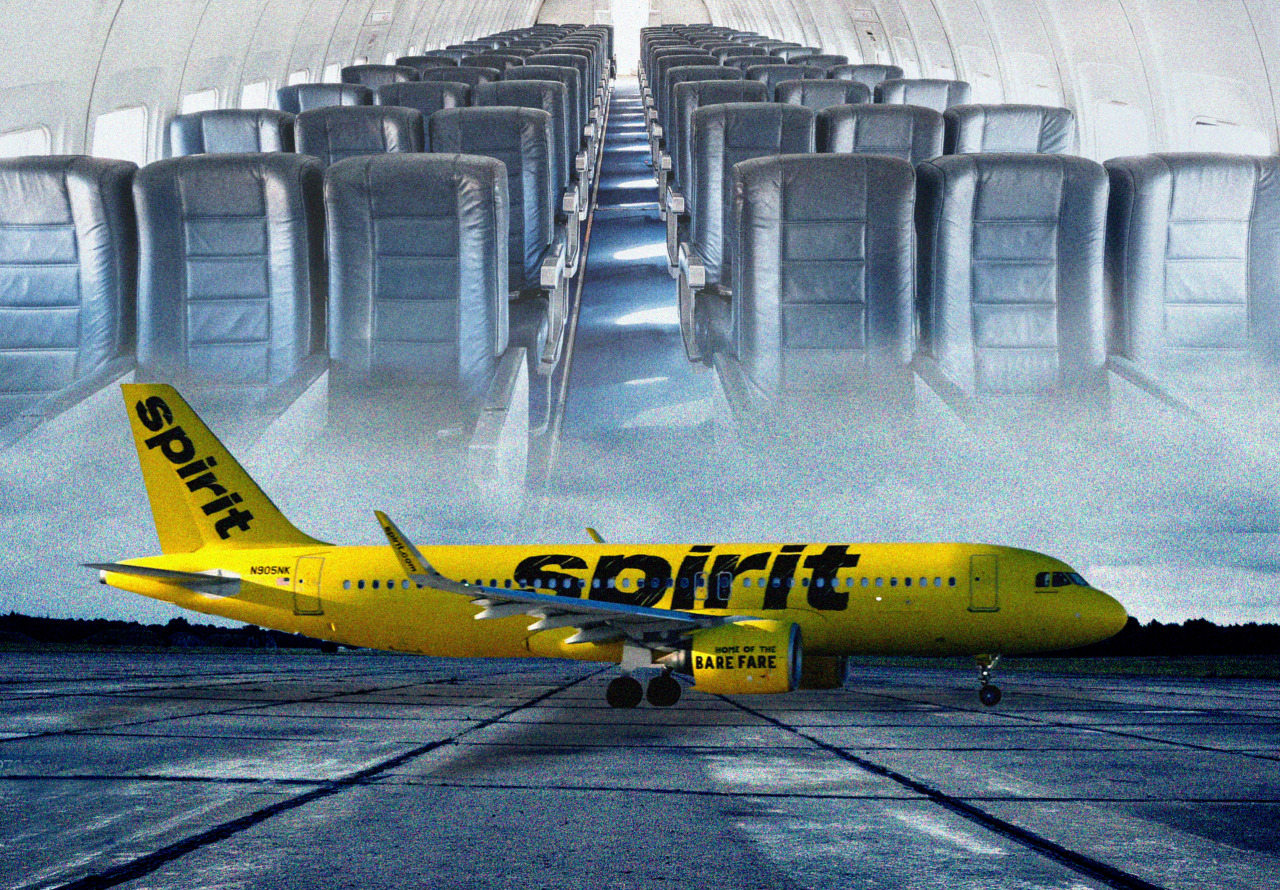
Spirit Airlines Faces Wind-Down Amid Passenger Disruptions and Operational Challenges
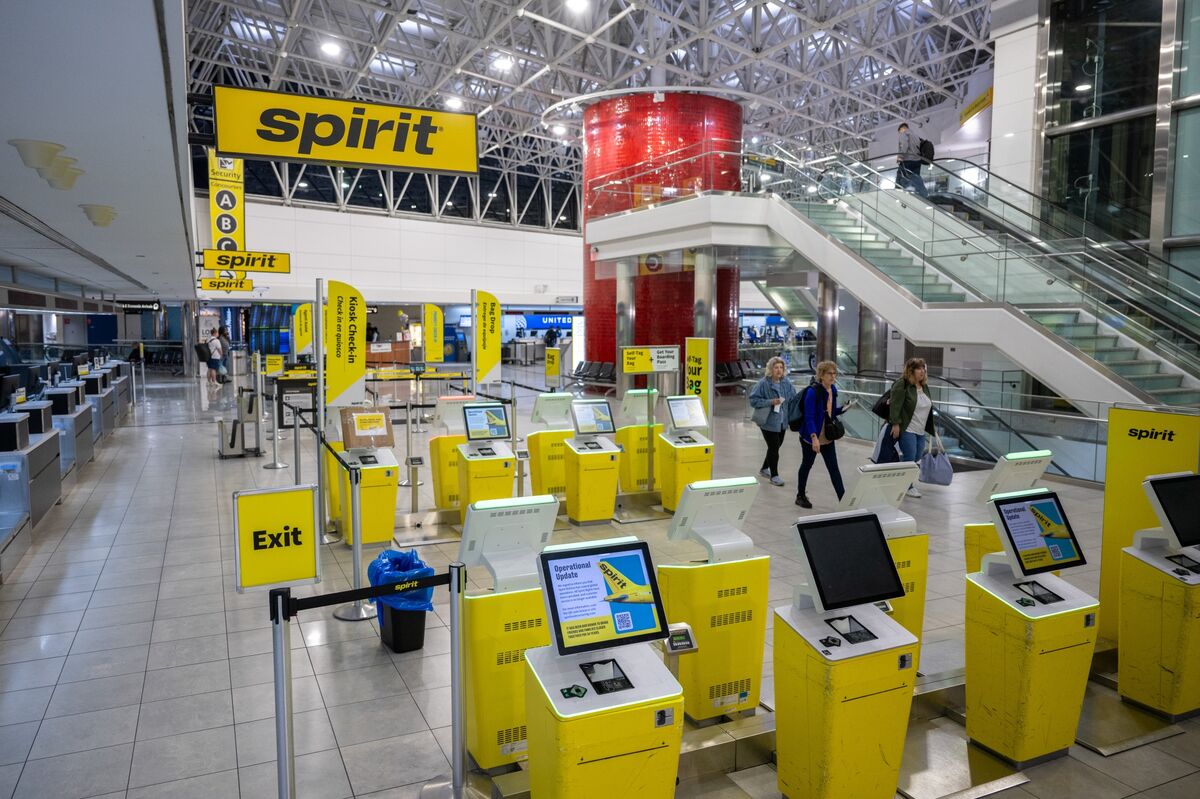
Compiled from 3 Sources
This report draws on coverage from Yahoo Entertainment, Business Insider, Bloomberg Markets and presents a structured, balanced account that notes where outlets differ in their reporting.
Key Points
- Spirit Airlines passenger Jessica Stanton paid $800 extra after her 2 a.m. flight cancellation, as reported by Yahoo Entertainment and Business Insider.
- Bloomberg Markets reported that Spirit Aviation Holdings Inc. plans an orderly wind-down process to sell its assets.
- Spirit Airlines has filed for bankruptcy twice previously and failed to secure a last-minute U.S. government rescue, according to Bloomberg Markets.
- The incident highlights the financial burden on passengers due to airline operational failures.
- The wind-down decision caps a period of financial instability for the low-cost carrier.
- The situation raises questions about the sustainability of the ultra-low-cost airline model and consumer protection.
Introduction
Recent reports highlight a dual narrative surrounding Spirit Airlines, encompassing both individual passenger experiences of flight disruptions and broader corporate developments concerning the airline's future. One perspective details a specific incident of a flight cancellation leading to significant personal expense for a passenger. Concurrently, another report indicates a strategic move by the low-cost carrier towards an orderly wind-down process, aiming to sell its assets. These concurrent events underscore the operational challenges faced by Spirit Airlines and their direct impact on its customers, while also signaling a potential shift in the airline's long-term viability.
The confluence of these reports paints a picture of an airline grappling with its operational stability and financial future. The personal account of a passenger stranded due to a canceled flight illustrates the immediate and often costly consequences for individuals. This individual experience is set against the backdrop of a major corporate decision, suggesting systemic issues that affect both the airline's business model and its customer service delivery. The unfolding situation with Spirit Airlines therefore presents a critical examination of the low-cost carrier model and its implications for both travelers and the aviation industry.
Key Facts
According to Business Insider and Yahoo Entertainment, Jessica Stanton experienced a Spirit Airlines flight cancellation at 2 a.m., which left her and her mother stranded. Both outlets reported that Stanton had round-trip tickets from Myrtle Beach to Boston. To return home, Stanton paid an additional $800, as detailed by both Business Insider and Yahoo Entertainment. This expense was incurred to secure alternative travel arrangements following the disruption. The incident highlights the immediate financial burden placed on passengers due to unexpected operational failures by the airline.
In a separate but related development, Bloomberg Markets reported that Spirit Aviation Holdings Inc. is preparing to initiate an orderly wind-down process. This process is intended to facilitate the sale of its assets. Bloomberg Markets further noted that this decision caps the downfall of the low-cost carrier, which has previously filed for bankruptcy twice in recent years. The same report also stated that Spirit Airlines failed to secure a last-minute rescue from the U.S. government, indicating a lack of external support for its continued operations. These facts collectively present a challenging operational and financial landscape for the airline.
Why This Matters
The situation surrounding Spirit Airlines carries significant implications for various stakeholders, extending beyond individual passengers to the broader aviation industry and consumer trust. For travelers, the reported flight cancellations and subsequent personal expenses, such as the $800 paid by Jessica Stanton according to Business Insider and Yahoo Entertainment, underscore the financial risks associated with low-cost carriers. This directly impacts travel planning, budgeting, and the overall reliability of air travel, potentially leading consumers to reconsider their choice of airline based on perceived stability and customer support. The experience highlights the vulnerability of passengers when faced with unexpected disruptions, particularly when immediate, costly alternatives become necessary.
Economically, the potential wind-down of Spirit Airlines, as reported by Bloomberg Markets, could lead to job losses within the company and ripple effects across its supply chain and airport operations. The departure of a major low-cost carrier from the market could also reduce competition, potentially leading to higher fares for consumers on certain routes. Furthermore, the failure of a prominent airline raises questions about the sustainability of the ultra-low-cost business model, especially in a volatile economic climate. This situation could prompt a reevaluation of regulatory oversight and consumer protection measures within the airline industry, ensuring that passengers are adequately compensated and protected during service failures.
Socially, the reported incidents contribute to public perception of airline reliability and customer service. Frequent disruptions and the perceived lack of adequate support can erode public trust in air travel, particularly for budget-conscious travelers who rely on affordable options. The narrative of passengers being stranded and incurring significant unexpected costs can generate widespread dissatisfaction and calls for greater accountability from airlines. Ultimately, the developments with Spirit Airlines serve as a critical case study on the delicate balance between offering low fares and maintaining operational integrity and passenger welfare, influencing future industry practices and consumer expectations.
Full Report
Both Yahoo Entertainment and Business Insider detailed the ordeal of Jessica Stanton, a passenger whose Spirit Airlines flight from Boston was canceled at 2 a.m. This cancellation left Stanton and her mother stranded, necessitating immediate alternative arrangements. According to both outlets, Stanton had originally purchased round-trip tickets for a journey from Myrtle Beach to Boston, indicating a planned return that was abruptly disrupted. The personal account emphasizes the immediate and often stressful impact of such operational failures on individual travelers, particularly during inconvenient hours.
Following the cancellation, Stanton reportedly paid an additional $800 to secure alternative transportation for herself and her mother to return home. This detail, consistently reported by both Business Insider and Yahoo Entertainment, highlights the significant out-of-pocket expenses passengers can incur when an airline fails to provide its scheduled service. The necessity of such an expenditure underscores the financial vulnerability of travelers when faced with unexpected disruptions, particularly when immediate solutions are required to avoid prolonged stranding. Neither source provided specific details on whether Spirit Airlines offered any immediate compensation or rebooking options at the time of cancellation.
In a broader corporate context, Bloomberg Markets provided a contrasting, yet interconnected, report on Spirit Airlines' strategic direction. The outlet stated that Spirit Aviation Holdings Inc. is preparing to initiate an orderly wind-down process, with the explicit goal of selling its assets. This corporate decision, as framed by Bloomberg Markets, signifies a major shift for the low-cost carrier. The report further contextualized this development by noting that it follows two previous bankruptcy filings by the airline in recent years, suggesting a prolonged period of financial instability. Bloomberg Markets also highlighted that the airline's efforts to secure a last-minute rescue from the U.S. government were unsuccessful, indicating a lack of external financial intervention to prevent the wind-down.
While Yahoo Entertainment and Business Insider focused on the immediate, tangible impact of operational issues on a passenger, Bloomberg Markets presented the overarching corporate strategy that could explain some of these operational challenges. The individual incident reported by the first two outlets serves as a micro-example of the consequences of an airline facing significant financial and operational pressures, as detailed by Bloomberg Markets. There were no direct contradictions between the reports, but rather different levels of focus – one on consumer experience and the other on corporate strategy, both contributing to a comprehensive understanding of Spirit Airlines' current situation.
Context & Background
Spirit Airlines has historically operated as a prominent ultra-low-cost carrier, distinguishing itself in the highly competitive aviation market through its aggressive pricing strategy and unbundled fare structure. This business model, while appealing to budget-conscious travelers, often entails trade-offs in terms of amenities and flexibility. The airline's operational history has been marked by periods of rapid expansion alongside challenges related to customer service and flight reliability, which are common pain points for carriers prioritizing cost efficiency. The incident involving Jessica Stanton, as reported by Business Insider and Yahoo Entertainment, reflects a recurring theme within the low-cost airline sector where unexpected disruptions can lead to significant passenger inconvenience and expense.
The broader financial health of Spirit Airlines has been a subject of scrutiny, particularly given its past. Bloomberg Markets explicitly noted that the airline has filed for bankruptcy twice in recent years, indicating a pattern of financial distress and restructuring. These previous financial challenges provide crucial context for understanding the current decision to pursue an orderly wind-down. The competitive landscape, characterized by fluctuating fuel prices, labor costs, and intense competition from other budget and legacy carriers, has continually pressured Spirit's profitability and operational stability. The inability to secure a last-minute government rescue, also reported by Bloomberg Markets, underscores the severity of the airline's financial position and the lack of viable alternatives for its continued independent operation.
Furthermore, the airline industry as a whole has faced unprecedented challenges in recent years, including the global pandemic, which significantly impacted travel demand, and subsequent recovery periods marked by staffing shortages and supply chain issues. These external factors have exacerbated existing vulnerabilities within airlines, particularly those operating on thin margins. Spirit Airlines' current situation can be viewed within this broader industry context, where even established carriers have struggled to maintain consistent profitability and operational efficiency. The confluence of internal financial struggles and external market pressures appears to have contributed to the strategic decision to wind down operations and sell assets.
What to Watch Next
Stakeholders should closely monitor the specifics of Spirit Aviation Holdings Inc.'s orderly wind-down process, particularly the timeline and methodology for selling its assets, as reported by Bloomberg Markets. Key developments will include announcements regarding asset sales, which could involve aircraft, routes, and operational infrastructure, and the potential buyers for these assets. The impact of these sales on market competition and the availability of low-cost travel options will be a significant area of observation, as other carriers may acquire Spirit's resources or routes.
Another critical aspect to watch is the resolution of outstanding passenger claims and liabilities. Following the reported incident of a passenger incurring an $800 expense due to a cancellation, as detailed by Business Insider and Yahoo Entertainment, attention will turn to how Spirit Airlines addresses existing bookings, refunds, and potential compensation for disrupted travel plans during its wind-down phase. Regulatory bodies and consumer protection agencies will likely play a role in overseeing this process to ensure fair treatment of affected customers. Any official statements or guidance from these authorities regarding passenger rights during an airline's wind-down will be important to track.
Source Attribution
This report draws on coverage from Yahoo Entertainment, Business Insider, and Bloomberg Markets.
Found this story useful? Share it:
Sources (3)
Yahoo Entertainment
"My Spirit Airlines flight was canceled at 2 a.m. I paid $800 extra to get my mom and me home."
May 3, 2026
Business Insider
"My Spirit Airlines flight was canceled at 2 a.m. I paid $800 extra to get my mom and me home."
May 3, 2026
Bloomberg Markets
"Spirit Airlines Seeks to Start Orderly Wind-Down to Sell Assets"
May 4, 2026