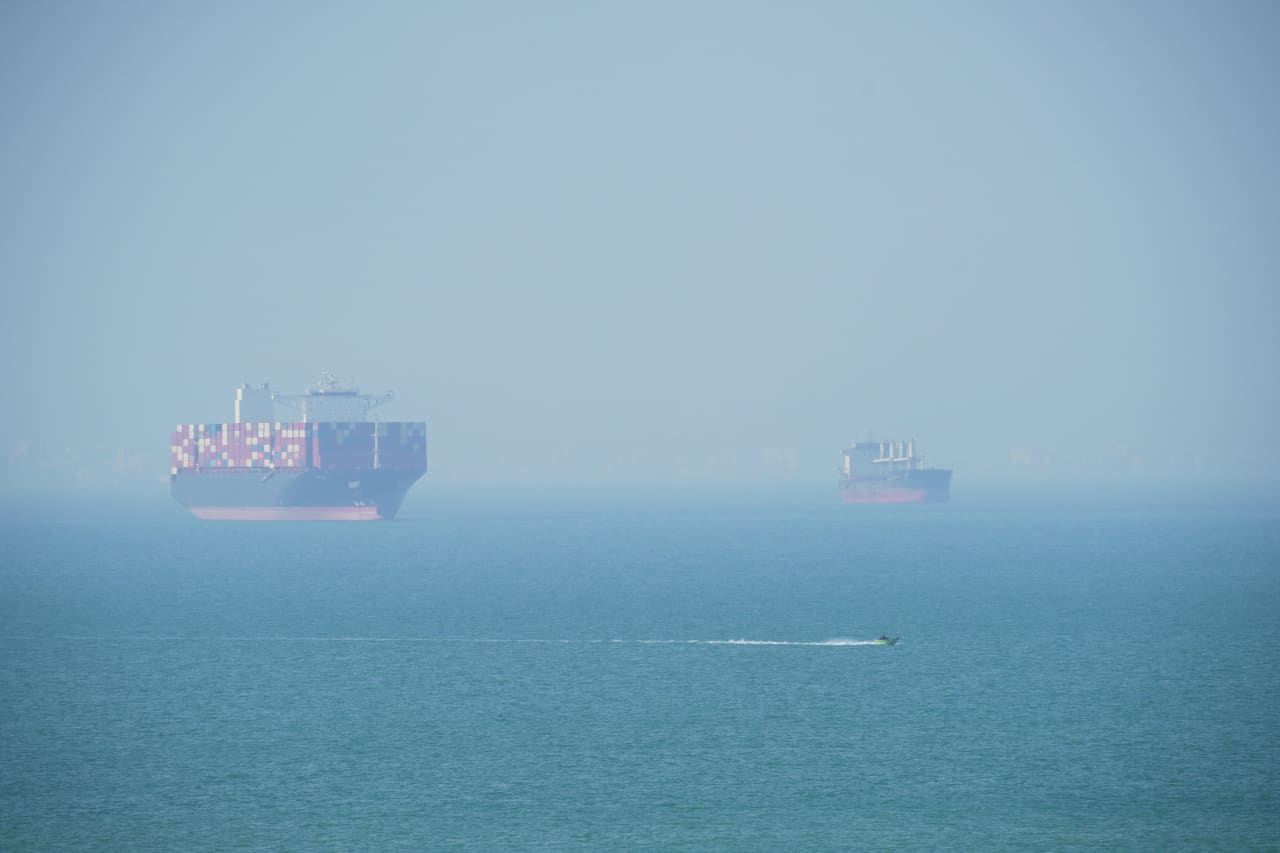
Trump Announces US Intervention to Facilitate Shipping in Hormuz Strait
Compiled from 2 Sources
This report draws on coverage from Al Jazeera, Bloomberg Markets and presents a structured, balanced account that notes where outlets differ in their reporting.
Key Points
- President Trump announced US intervention to "help free up" ships in the Strait of Hormuz.
- The operation is scheduled to commence on Monday, Middle Eastern Time.
- Trump warned that any interference with the operation would be "dealt with forcefully."
- The Strait of Hormuz is a critical global chokepoint for oil and gas shipments.
- The US action highlights ongoing tensions and maritime security concerns in the region.
Introduction
President Donald Trump has announced that the United States will intervene to assist ships currently situated in the Strait of Hormuz. This operation is slated to commence on Monday, with the president indicating a firm stance against any interference. The announcement signals a direct US involvement in ensuring maritime passage through the critical waterway, a region that has seen heightened tensions in recent times.
The intervention aims to "help free up" vessels, as stated by President Trump, addressing concerns about maritime traffic in the strategic choke point. The timing of this operation, starting early next week, underscores a proactive approach by the US administration to manage the situation. The president's declaration also included a warning that any obstruction to this operation would be met with a forceful response, emphasizing the seriousness with which the US views the security of navigation in the strait.
Key Facts
President Donald Trump explicitly stated that the US would "help free up" ships currently located in the Strait of Hormuz, according to Al Jazeera. This operation is scheduled to begin on Monday. Bloomberg Markets further specified that this assistance for ships to leave Hormuz would commence on Monday morning, Middle Eastern Time. Al Jazeera reported that President Trump issued a warning, stating that any interference with this upcoming operation would "have to be dealt with forcefully." Both sources consistently report President Trump's direct involvement in announcing this initiative and the Monday start date.
Why This Matters
This announcement carries significant implications for global energy markets, international diplomacy, and regional stability. The Strait of Hormuz is a vital maritime chokepoint, through which approximately one-fifth of the world's oil supply, along with substantial volumes of liquefied natural gas, passes daily. Any disruption or perceived threat to shipping in this strait can trigger volatility in oil prices, impacting economies worldwide, from major industrial nations to developing countries reliant on stable energy costs. The direct involvement of the United States in facilitating passage underscores the strategic importance of this waterway and the potential economic fallout from prolonged instability.
Furthermore, the US intervention signals a heightened level of engagement in a region already characterized by complex geopolitical dynamics. President Trump's warning of a forceful response to any interference could escalate tensions, particularly given the historical context of maritime incidents and regional rivalries. The move could be interpreted by various actors as either a necessary measure to ensure freedom of navigation or as a provocative act, potentially leading to miscalculations or unintended confrontations. The safety of commercial shipping, the stability of global energy supply chains, and the broader balance of power in the Middle East are all directly affected by this development, making it a critical point of focus for international observers and policymakers.
Full Report
President Donald Trump has announced a forthcoming US operation aimed at assisting vessels in the Strait of Hormuz. According to Al Jazeera, President Trump declared that the United States would actively "help free up" ships that are currently positioned in the critical waterway. This operation is set to commence on Monday. Bloomberg Markets provided additional specificity regarding the timeline, reporting that the US assistance for ships to leave Hormuz is slated to begin on Monday morning, observing Middle Eastern Time.
Both Al Jazeera and Bloomberg Markets highlighted President Trump's direct statement regarding the operation. Al Jazeera further emphasized a stern warning issued by the president, noting his assertion that any interference with the impending operation "will have to be dealt with forcefully." This indicates a clear intention by the US to ensure the successful execution of its plan and to deter any potential obstruction from other regional actors. The consistent reporting across both outlets on the Monday start date and President Trump's personal announcement underscores the official nature and immediacy of this initiative.
Neither source provided specific details regarding the number of ships involved, the exact nature of the assistance (e.g., naval escort, logistical support), or the specific reasons for the ships being 'stuck' or requiring assistance. The reports focus primarily on the presidential announcement, the start date, and the US commitment to ensuring passage. There were no discernible differences in the core facts reported by Al Jazeera and Bloomberg Markets, with both outlets conveying the same central message regarding the US intervention and its commencement.
Context & Background
The Strait of Hormuz, a narrow waterway connecting the Persian Gulf with the Arabian Sea, has long been a flashpoint for geopolitical tensions due to its strategic importance. It is bordered by Iran to the north and Oman's Musandam Governorate to the south, making it a crucial maritime corridor for oil and gas exports from Gulf states. The strait has been the site of numerous incidents involving commercial shipping and military vessels, particularly during periods of heightened friction between Iran and Western powers.
Historically, concerns over the security of navigation in the strait have led to international naval deployments aimed at safeguarding commercial traffic. Incidents such as tanker attacks, seizures of vessels, and military exercises have periodically underscored the fragility of maritime security in the region. These events often lead to increased insurance premiums for shipping, rerouting of vessels, and concerns about disruptions to global energy supplies. The current announcement by President Trump follows a pattern of US involvement in maintaining freedom of navigation in key international waterways, particularly in areas deemed critical for global commerce and security.
What to Watch Next
Observers should closely monitor the commencement of the US operation in the Strait of Hormuz on Monday, particularly for any official statements from the US Department of Defense or the US Central Command detailing the scope and nature of the assistance provided to ships. Attention will also be on the reactions from regional powers, especially Iran, to the US intervention, as their responses could dictate the immediate trajectory of tensions in the waterway. Any reports of incidents or challenges to the US operation will be critical indicators of the situation's stability.
Furthermore, the global energy markets will be keenly watching for any impact on oil and gas prices, which could fluctuate based on the perceived success or challenges faced by the US initiative. Diplomatic channels will also be active, with international bodies and allied nations likely issuing statements or engaging in discussions regarding maritime security in the Gulf. Future developments will hinge on the execution of the US plan and the subsequent responses from all stakeholders involved.
Source Attribution
This report draws on coverage from Al Jazeera and Bloomberg Markets.
Found this story useful? Share it:
Sources (2)
Al Jazeera
"Trump says US will ‘help free up’ ships stuck in Hormuz Strait"
May 3, 2026
Bloomberg Markets
"Trump Says US to Help Some Ships Leave Hormuz Starting Monday"
May 3, 2026