
Pancreatic Cancer Research Advances with Early Detection Scan and Expanded Drug Access
Compiled from 2 Sources
This report draws on coverage from Dailymail.com, CBS News and presents a structured, balanced account that notes where outlets differ in their reporting.
Key Points
- Mayo Clinic researchers have developed a new blood test to detect pancreatic cancer years before diagnosis, as reported by Dailymail.com.
- The new scan aims to save thousands of lives by enabling earlier intervention for pancreatic cancer.
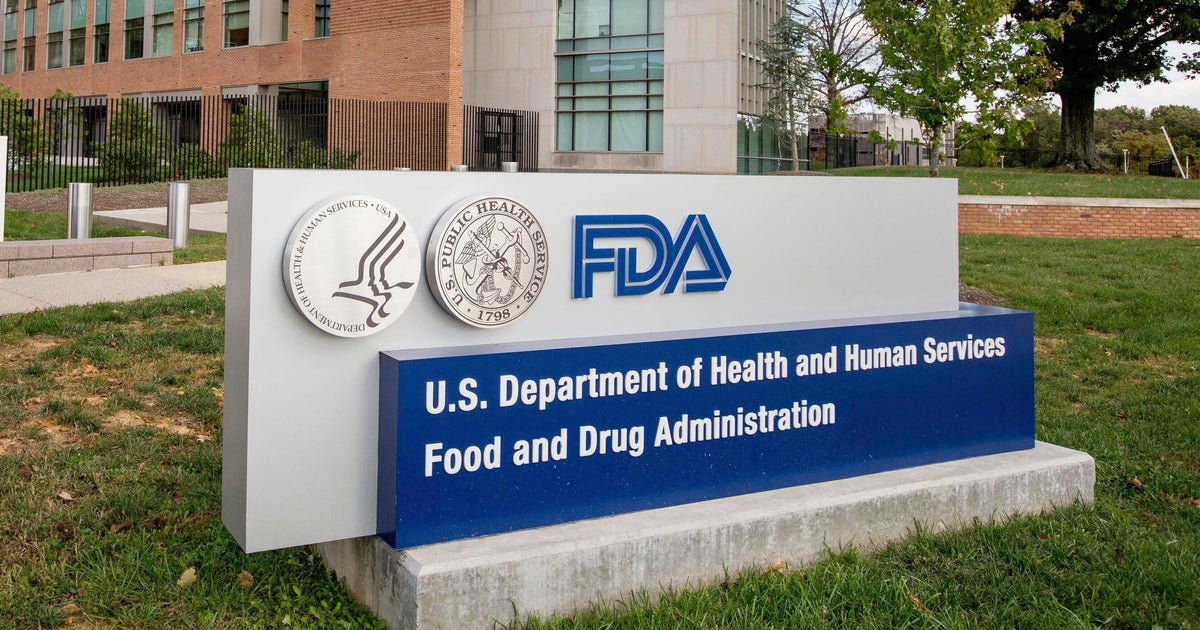
- CBS News reported that the FDA has expanded access to darovasiran, an experimental pancreatic cancer drug.
- Expanded access allows certain pancreatic cancer patients to receive darovasiran before its official approval.
- Pancreatic cancer is notoriously difficult to diagnose early, contributing to its high mortality rate.
- The FDA's decision offers a new treatment avenue for patients who have exhausted standard options.
- Both advancements represent significant steps in improving outcomes for individuals with pancreatic cancer.
Introduction
Significant developments in the fight against pancreatic cancer have emerged from both diagnostic and therapeutic fronts. Researchers at the Mayo Clinic in Minnesota have announced a novel blood test capable of detecting the deadliest form of pancreatic cancer years before a clinical diagnosis, offering a potential breakthrough in early intervention. Simultaneously, the U.S. Food and Drug Administration (FDA) has expanded access to an experimental drug, darovasiran, for certain pancreatic cancer patients, providing a new treatment avenue for those in urgent need.
These advancements address critical challenges in pancreatic cancer, a disease notoriously difficult to diagnose early and treat effectively. The new diagnostic tool aims to shift the paradigm from late-stage detection to proactive screening, while the FDA's decision provides earlier access to a promising therapy for patients who have exhausted standard options. Both initiatives underscore a concerted effort to improve outcomes for individuals facing this aggressive malignancy.
Key Facts
Dailymail.com reported on a new blood test developed by researchers at the Mayo Clinic in Minnesota. This test is designed to detect pancreatic cancer years before a patient would typically be diagnosed with the disease. The article highlights the potential for this groundbreaking scan to save thousands of lives by enabling earlier intervention. CBS News, conversely, focused on the FDA's decision to expand access to a promising pancreatic cancer drug named darovasiran. This expansion allows certain patients to receive the medication even before its official approval for widespread use. The CBS report mentioned former U.S. Senator Ben Sasse as a beneficiary of such early access programs for cancer treatments.
Why This Matters
Pancreatic cancer is one of the most lethal forms of cancer, largely due to its late diagnosis and aggressive nature. The ability to detect this disease years in advance, as suggested by the Mayo Clinic's new scan, could fundamentally alter patient prognoses. Early detection often allows for more effective surgical removal of tumors and other interventions, dramatically increasing survival rates which are currently very low for advanced pancreatic cancer. This potential shift from reactive treatment to proactive screening could transform oncology practices and offer hope to millions at risk.
Furthermore, the FDA's decision to expand access to an experimental drug like darovasiran is crucial for patients with limited treatment options. For individuals facing a rapidly progressing and often fatal disease, early access to promising therapies can be life-extending or even life-saving. This regulatory flexibility acknowledges the urgency of the situation for pancreatic cancer patients, providing a pathway to innovative treatments that might otherwise be years away from market availability. The combined impact of earlier detection and accelerated access to novel therapies could significantly improve the quality of life and survival statistics for those afflicted by this devastating illness, offering a multi-pronged approach to a complex medical challenge.
Full Report
Dailymail.com detailed the development of a new scan at the Mayo Clinic, emphasizing its potential to detect pancreatic cancer years before a formal diagnosis. The article underscored that this early detection capability could be vital given the disease's high mortality rate, often attributed to its discovery at advanced, untreatable stages. Researchers reportedly believe this test could save thousands of lives by allowing for timely medical interventions. The report did not specify the exact mechanism of the scan or its current stage of clinical trials, focusing more on its projected impact and the potential for a paradigm shift in pancreatic cancer screening.
In contrast, CBS News focused on a therapeutic advancement, reporting that the FDA has expanded access to darovasiran, an experimental drug for pancreatic cancer. This decision permits certain patients to receive the medication prior to its full regulatory approval. The report highlighted that this expanded access is particularly significant for patients who have exhausted conventional treatment options. CBS News cited former U.S. Senator Ben Sasse as an example of a public figure who has benefited from similar early access programs for cancer drugs, illustrating the real-world impact of such FDA initiatives. The article did not provide extensive details on the drug's mechanism of action or its specific efficacy rates, but rather emphasized the regulatory decision and its immediate implications for patient care.
The differing focuses of the two reports highlight distinct but complementary advancements in pancreatic cancer care. Dailymail.com emphasized a diagnostic breakthrough that could revolutionize screening and early intervention. Their framing centered on the preventative and early-stage benefits. CBS News, on the other hand, concentrated on a treatment breakthrough, focusing on expanded access to a drug for patients already diagnosed, particularly those with advanced disease. This difference in emphasis reflects the broad spectrum of challenges in oncology, from early detection to advanced treatment, and the ongoing efforts to address them from multiple angles.
Context & Background
Pancreatic cancer is notoriously difficult to diagnose early because its symptoms are often vague and can mimic other, less serious conditions, leading to diagnoses typically occurring at advanced stages when the cancer has already spread. This late detection is a primary reason for its grim prognosis, with a five-year survival rate among the lowest of all cancers. Current screening methods for pancreatic cancer are limited, often involving invasive procedures or being reserved for individuals with strong genetic predispositions, underscoring the urgent need for non-invasive, broadly applicable early detection tools like the one reported by Dailymail.com.
Historically, treatment options for advanced pancreatic cancer have also been limited, often involving aggressive chemotherapy regimens with varying degrees of success and significant side effects. The development of new targeted therapies and immunotherapies represents a critical area of research. The FDA's expanded access programs, such as the one for darovasiran mentioned by CBS News, are a regulatory mechanism designed to bridge the gap between promising experimental treatments and patients with life-threatening conditions who have no other viable options. These programs reflect an understanding of the critical need to accelerate access to potentially life-saving drugs in cases where standard care has failed or does not exist.
What to Watch Next
Future developments will likely include further clinical trials for the Mayo Clinic's early detection scan to validate its efficacy and determine its suitability for widespread screening programs. Researchers will need to publish detailed data on its sensitivity, specificity, and the long-term impact on patient outcomes. Regulatory bodies will then assess this data for potential approval as a diagnostic tool. Concurrently, the experimental drug darovasiran will continue through its clinical trial phases, with researchers monitoring its safety and effectiveness in a larger patient population. Key milestones will include the publication of Phase 3 trial results and any subsequent applications for full FDA approval. The oncology community will also be watching for the development of new guidelines for screening and treatment that incorporate these emerging technologies and therapies.
Source Attribution
This report draws on coverage from Dailymail.com and CBS News.
Found this story useful? Share it:
Sources (2)
Dailymail.com
"Simple new scan detects pancreatic cancer years before patients are diagnosed with deadliest form of disease"
May 2, 2026
CBS News
"FDA expands access to pancreatic cancer drug helping patients like Ben Sasse"
May 2, 2026