Taiwanese President Lai Ching-te Arrives in Eswatini Following Trip Delay
Compiled from 2 Sources
This report draws on coverage from seattlepi.com, Abcnews.com and presents a structured, balanced account that notes where outlets differ in their reporting.
Key Points
- Taiwan's President Lai Ching-te arrived in Eswatini on Saturday, as reported by Abcnews.com.
- The trip was initially delayed due to several countries withdrawing overflight clearance, according to Abcnews.com.
- seattlepi.com also reported the landing and delay but experienced technical issues limiting full content access.
- Eswatini is one of Taiwan's few remaining diplomatic allies, making the visit strategically important.
- The overflight clearance issues highlight diplomatic pressures Taiwan faces from the People's Republic of China.
- The visit aims to strengthen bilateral ties and reaffirm Taiwan's international presence despite isolation efforts.
Introduction
Taiwan's President Lai Ching-te has successfully arrived in the African nation of Eswatini, marking the culmination of a diplomatic trip that faced an initial delay. The visit underscores Taiwan's ongoing efforts to strengthen its international alliances, particularly with its few remaining diplomatic partners. This journey highlights the complexities of international travel for Taiwanese leadership, often influenced by geopolitical dynamics and the People's Republic of China's stance on Taiwan's sovereignty. The successful landing in Eswatini is a significant development in Taiwan's foreign relations strategy, emphasizing the importance of its ties with African allies.
The trip's commencement was not without challenges, as it was reportedly pushed back due to several countries withdrawing overflight clearance. This incident points to the persistent pressures Taiwan faces on the global stage, where its diplomatic activities are frequently scrutinized and sometimes obstructed. Despite these hurdles, President Lai's arrival in Eswatini signifies a commitment to maintaining and reinforcing diplomatic bonds, particularly with nations that continue to recognize Taiwan amidst increasing global pressure from Beijing. The visit is expected to focus on bilateral cooperation and reaffirming mutual support between the two nations.
Key Facts
Taiwan's President Lai Ching-te arrived in the African nation of Eswatini on Saturday, as reported by Abcnews.com. The trip had been delayed after Taiwan's government was compelled to reschedule due to several countries withdrawing overflight clearance, according to Abcnews.com. The seattlepi.com article also noted the president's landing in Eswatini and mentioned the trip's delay due to a lack of overflight clearance. However, seattlepi.com's content was largely inaccessible, stating, "A required part of this site couldn't load. This may be due to a browser extension, network issues, or browser settings." Abcnews.com explicitly stated that President Lai Ching-te made the announcement of his arrival in Eswatini.
Why This Matters
President Lai Ching-te's visit to Eswatini carries substantial geopolitical weight, extending far beyond a routine diplomatic exchange. Eswatini remains one of Taiwan's few official diplomatic allies, making such high-level visits crucial for demonstrating the enduring strength of these relationships in the face of intense pressure from the People's Republic of China. The successful execution of this trip, despite initial delays, sends a clear message about Taiwan's determination to maintain its international presence and sovereign identity, which is vital for its long-term security and economic stability.
Moreover, the reported withdrawal of overflight clearance by several countries underscores the pervasive influence of Beijing on international aviation and diplomatic protocols concerning Taiwan. This incident serves as a stark reminder of the challenges Taiwan faces in conducting normal international relations, as many nations are hesitant to risk upsetting China by facilitating Taiwanese official travel. For Taiwan, securing and maintaining such diplomatic routes is not just about state visits but about preserving its international space and resisting isolation, which directly impacts its ability to engage in global trade, secure resources, and participate in international organizations.
For Eswatini, hosting Taiwan's president reaffirms its independent foreign policy and its commitment to a long-standing alliance, potentially at the risk of economic or political repercussions from Beijing. This visit could solidify future bilateral agreements and aid, which are often critical for smaller nations. The broader implications involve the ongoing competition between Beijing and Taipei for international recognition, where every diplomatic interaction, especially with one of Taiwan's remaining allies, becomes a significant indicator of shifting global alignments and the effectiveness of each side's diplomatic strategies. The outcome of such visits can influence other nations' perceptions and decisions regarding their own relationships with Taiwan and China.
Full Report
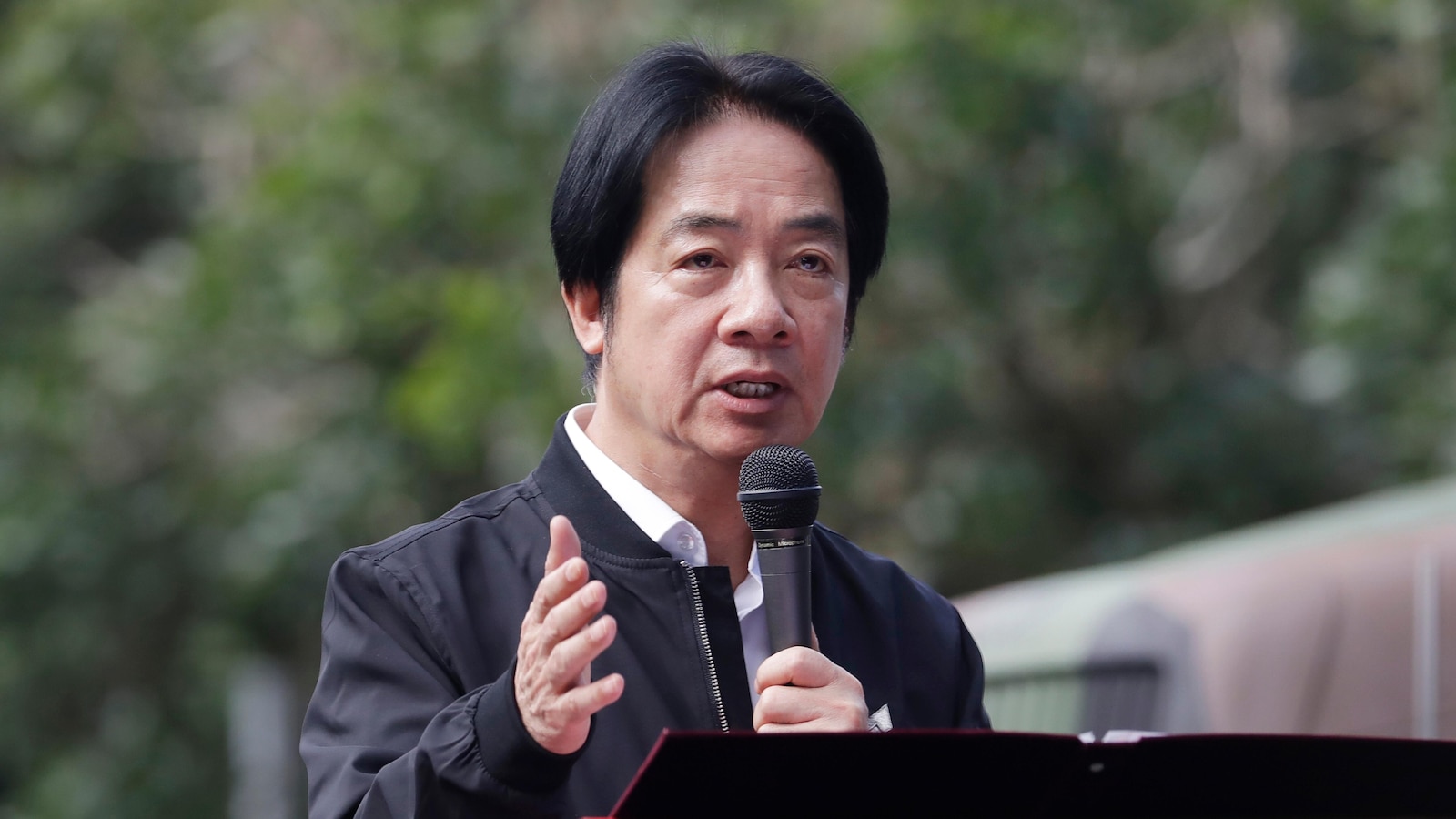
Taiwan's President Lai Ching-te officially arrived in the African nation of Eswatini on Saturday, according to a report from Abcnews.com. This arrival marked the conclusion of a journey that had been subject to an earlier delay. Abcnews.com detailed that the Taiwanese government was compelled to postpone the trip initially after several countries withdrew their previously granted overflight clearance, creating a logistical hurdle for the presidential delegation. The president himself announced his successful arrival in Eswatini, signaling the overcoming of these initial challenges.
The seattlepi.com report corroborated the central fact of President Lai's landing in Eswatini and also referenced the delay attributed to a lack of overflight clearance. However, the comprehensive details and context provided by Abcnews.com were significantly more extensive, as the seattlepi.com article encountered technical difficulties, stating, "A required part of this site couldn't load." This technical issue limited seattlepi.com's ability to provide a full account, making Abcnews.com the primary source for specific details regarding the trip's initial difficulties and the president's statement.
The incident of withdrawn overflight clearance, as reported by Abcnews.com, highlights the persistent diplomatic pressures Taiwan faces from the People's Republic of China, which views Taiwan as a breakaway province and actively seeks to limit its international engagements. Such actions often aim to isolate Taiwan and discourage other nations from establishing or maintaining official ties. President Lai's determination to proceed with the visit, despite these obstacles, underscores Taiwan's commitment to its diplomatic allies and its strategy of maintaining a visible international presence.
While seattlepi.com confirmed the core event, its inability to load full content meant it could not elaborate on the nuances of the trip's delay or the broader context of Taiwan's diplomatic struggles. Abcnews.com, conversely, provided a clearer narrative of the events leading up to the arrival, emphasizing the governmental decision to push back the trip due to the overflight issues. This difference in reporting depth underscores the varying levels of information available from the two sources, with Abcnews.com offering a more complete picture of the diplomatic challenges encountered.
Context & Background
Taiwan, officially known as the Republic of China, has faced a complex and challenging international diplomatic landscape since the Chinese Civil War. The People's Republic of China (PRC) considers Taiwan a renegade province and adheres to a "One China" policy, which dictates that countries wishing to maintain diplomatic relations with Beijing must not recognize Taiwan as an independent sovereign state. This policy has led to a significant reduction in the number of countries that officially recognize Taiwan, with many shifting their allegiance from Taipei to Beijing over the decades.
Eswatini, formerly Swaziland, stands as one of the few remaining nations that maintain full diplomatic relations with Taiwan. This alliance is rooted in historical ties and mutual interests, often involving economic aid and technical cooperation from Taiwan. For Taiwan, these remaining diplomatic partners are strategically vital, serving as crucial points of international engagement and demonstrating its continued existence as a distinct political entity on the global stage, despite Beijing's efforts to isolate it.
The issue of overflight clearance for Taiwanese presidential travel is a recurring manifestation of this geopolitical struggle. When a Taiwanese leader travels abroad, particularly to a diplomatic ally, the route often requires passage through the airspace of various countries. Beijing frequently exerts diplomatic pressure on these transit nations to deny overflight rights, thereby complicating or even preventing such trips. This tactic aims to underscore Taiwan's limited international recognition and to deter other nations from facilitating its diplomatic activities, further highlighting the precarious nature of Taiwan's international standing.
What to Watch Next
Following President Lai Ching-te's arrival, observers will be closely monitoring the specifics of his engagements in Eswatini. Key areas to watch include any new bilateral agreements or declarations of cooperation that emerge from the visit, particularly in economic development, agriculture, or public health. The nature and extent of any aid packages or investment pledges from Taiwan to Eswatini will be significant indicators of the alliance's ongoing strength and strategic importance.
Furthermore, attention will be on any reactions from the People's Republic of China. Beijing often issues condemnations or takes retaliatory measures against countries that host high-level Taiwanese officials or facilitate Taiwan's international presence. Any statements from the PRC's Ministry of Foreign Affairs or actions taken against Eswatini or other nations perceived to have assisted the trip will be important to note. The visit's outcome could also influence the diplomatic calculus of other nations currently weighing their recognition of Taiwan versus China, making future shifts in diplomatic allegiance a potential development to track.
Source Attribution
This report draws on coverage from seattlepi.com and Abcnews.com.
Found this story useful? Share it:
Sources (2)
seattlepi.com
"Taiwan's president lands in Eswatini in a trip delayed by lack of overflight clearance"
May 2, 2026
Abcnews.com
"Taiwan's president lands in Eswatini in a trip delayed by lack of overflight clearance"
May 2, 2026