Supreme Court Voting Rights Act Ruling Prompts Redistricting Discussions in Tennessee and Louisiana Election Suspension

Compiled from 2 Sources
This report draws on coverage from Al Jazeera English, USA Today and presents a structured, balanced account that notes where outlets differ in their reporting.
Key Points
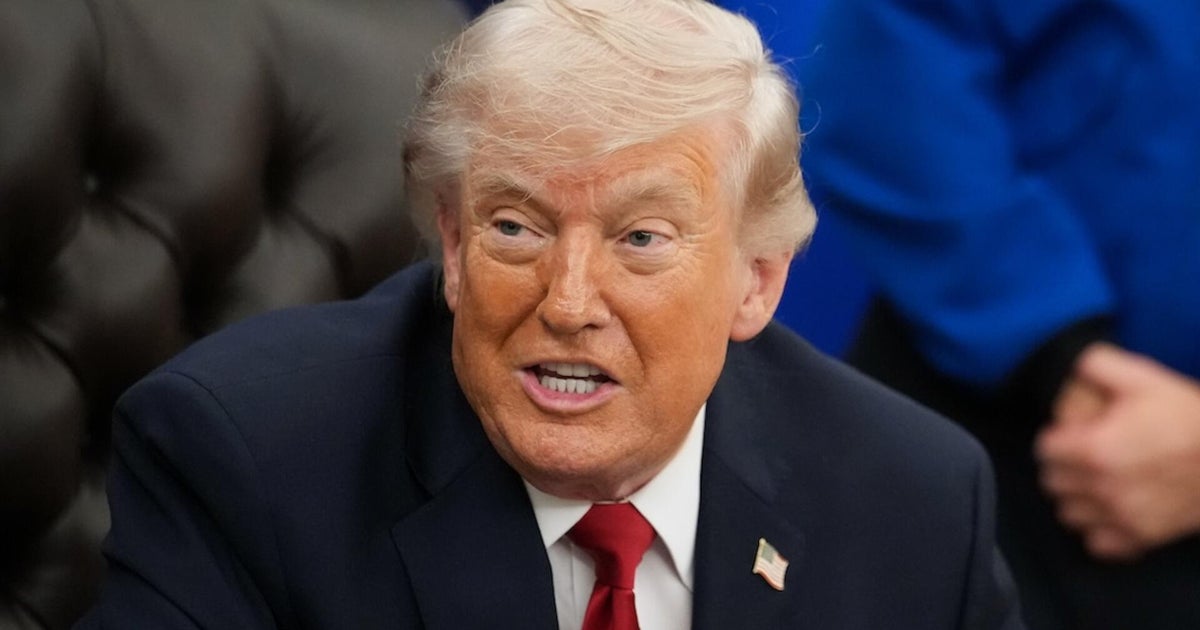
- Donald Trump stated Tennessee will redraw its electoral map after a US Supreme Court ruling impacting the Voting Rights Act.
- Al Jazeera English reported Trump's comments regarding Tennessee's redistricting plans.
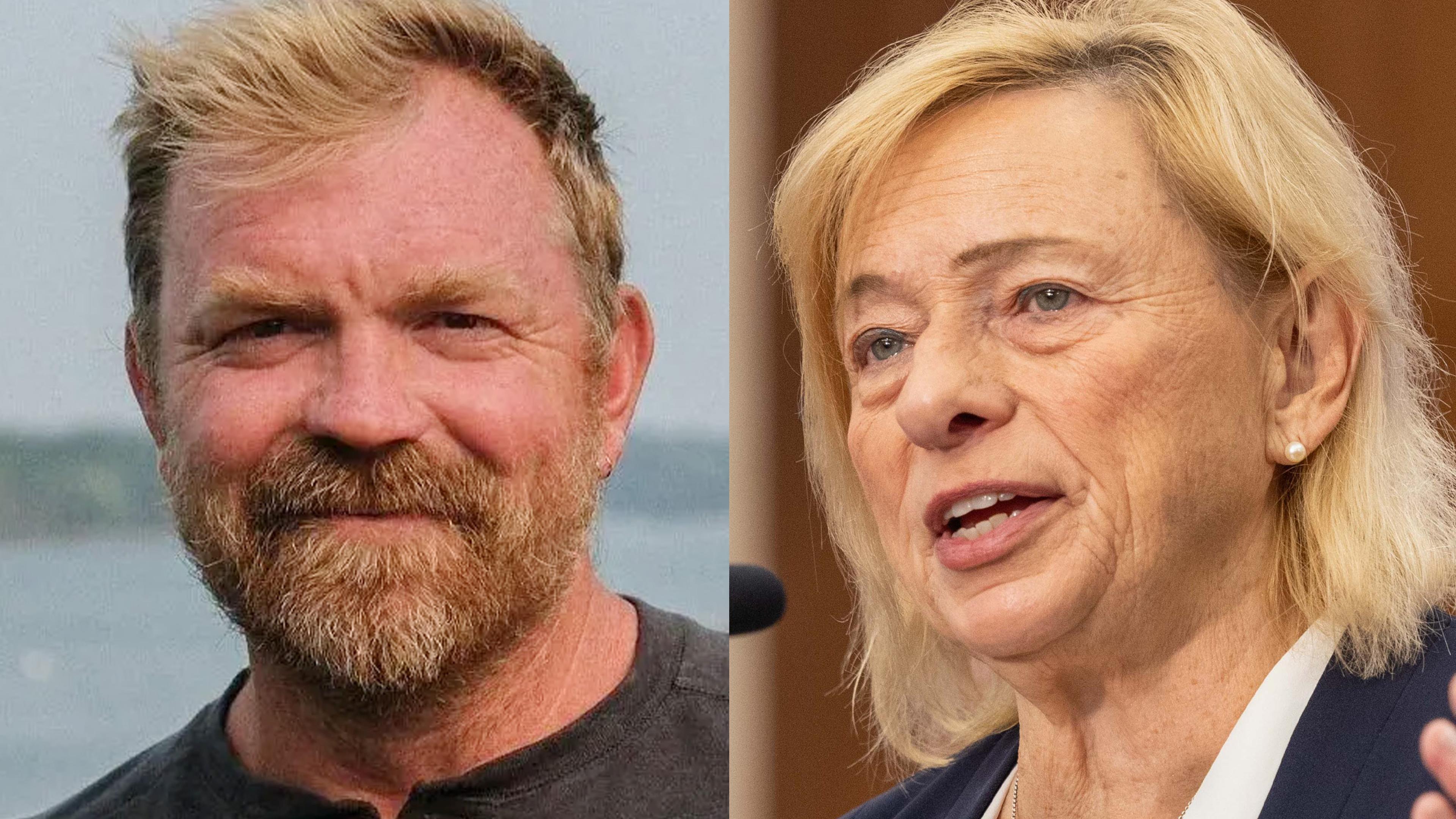
- Louisiana Governor Jeff Landry is expected to suspend U.S. House primary elections, according to USA Today.
- The suspension in Louisiana aims to allow lawmakers to pass a new congressional map before November elections.
- The Supreme Court ruling "gutted a key provision" of the landmark US Voting Rights Act, as noted by Al Jazeera English.
- Both states' actions highlight direct consequences of the Supreme Court's decision on electoral processes.
- Redistricting and election suspensions have significant implications for democratic representation and electoral fairness.
Introduction
The United States Supreme Court's recent ruling, which significantly impacted a key provision of the landmark US Voting Rights Act, has prompted immediate political responses in at least two states. In Tennessee, former President Donald Trump has indicated that the state will proceed with redrawing its electoral map following this judicial decision. Simultaneously, Louisiana's Governor Jeff Landry is reportedly preparing to suspend upcoming primary elections for the U.S. House, aiming to allow state lawmakers time to establish a new congressional map before the November elections.
These developments highlight the direct and rapid consequences of the Supreme Court's action on electoral processes at the state level. The decisions in both Tennessee and Louisiana underscore a critical period for voting rights and representation, as state governments navigate the implications of the ruling for their respective electoral districts and schedules. The actions taken or planned in these states reflect a broader political landscape grappling with the future of electoral boundaries and the mechanisms of democratic participation.
Key Facts
According to Al Jazeera English, United States President Donald Trump stated that Tennessee would redraw its electoral map after a US Supreme Court ruling that affected a key provision of the US Voting Rights Act. Al Jazeera English also noted that the specifics of how Tennessee would proceed with this redistricting were not detailed in their report. Meanwhile, USA Today reported that Louisiana Governor Jeff Landry is expected to suspend Louisiana elections for the U.S. House. This suspension, as per USA Today, is intended to allow state lawmakers to pass a new congressional map before the November elections.
USA Today further detailed that two officials with knowledge of the matter confirmed the governor's anticipated action regarding the suspension of elections. The report from USA Today did not specify which particular provision of the Voting Rights Act was impacted by the Supreme Court ruling, nor did it directly link the Louisiana situation to a statement from Donald Trump, unlike the Al Jazeera English report which centered on Trump's comments regarding Tennessee.
Why This Matters
The implications of the Supreme Court's ruling and the subsequent actions in states like Tennessee and Louisiana are far-reaching, directly impacting the fundamental principles of democratic representation and the fairness of electoral processes. The redrawing of electoral maps, known as redistricting, can significantly alter the demographic and political composition of districts, potentially influencing election outcomes for years to come. When such changes occur following a Supreme Court decision that "gutted a key provision" of the Voting Rights Act, as Al Jazeera English described, it raises concerns about potential disenfranchisement and the protection of minority voting rights.
For citizens, this means their ability to elect representatives who truly reflect their communities' interests could be diminished or enhanced, depending on how the new maps are drawn. The suspension of elections, as reported by USA Today in Louisiana, creates uncertainty for voters, candidates, and election officials, disrupting established democratic timelines and potentially leading to voter confusion or reduced participation. These developments are not merely procedural; they are central to how power is distributed and exercised within the American political system, affecting everything from local policy decisions to national legislative priorities. The integrity of the electoral process and public trust in democratic institutions hinge on transparent and equitable redistricting, making these state-level responses a critical watchpoint for the health of American democracy.
Full Report
United States President Donald Trump has indicated that Tennessee is poised to redraw its electoral map following a recent US Supreme Court ruling. Al Jazeera English reported Trump's statement, noting that the ruling "gutted a key provision of the landmark US Voting Rights Act." While Al Jazeera English highlighted Trump's declaration about Tennessee's impending redistricting, the report did not elaborate on the specific details or timeline for this process within the state, nor did it specify which particular provision of the Voting Rights Act was affected by the Supreme Court's decision.
Concurrently, in Louisiana, Governor Jeff Landry is expected to take significant action regarding the state's electoral schedule. USA Today reported that Governor Landry is set to suspend Louisiana elections for the U.S. House. This measure, according to USA Today, is intended to provide state lawmakers with sufficient time to pass a new congressional map before the November elections. The report from USA Today cited two officials with direct knowledge of the decision, confirming the governor's anticipated move.
The motivations behind Louisiana's expected suspension of elections, as presented by USA Today, center on the need to finalize new electoral boundaries. This contrasts with the Al Jazeera English report, which focused on Trump's announcement regarding Tennessee's redistricting as a direct consequence of the Supreme Court's ruling. Neither source explicitly linked the Louisiana situation to the specific Supreme Court ruling mentioned by Al Jazeera English in relation to Tennessee, although both events are occurring in the broader context of post-ruling electoral adjustments. The framing difference lies in Al Jazeera English emphasizing a direct presidential statement on one state's action, while USA Today detailed an executive action in another state, confirmed by anonymous officials, to facilitate legislative redistricting.
Context & Background
The US Voting Rights Act of 1965 is a landmark piece of federal legislation in the United States that prohibits racial discrimination in voting. It was signed into law by President Lyndon B. Johnson during the height of the Civil Rights Movement and is considered one of the most far-reaching pieces of civil rights legislation in U.S. history. Over the decades, various provisions of the Act have been challenged in court, leading to significant legal battles over its interpretation and application. These challenges often revolve around issues such as redistricting, voter ID laws, and the preclearance requirement for changes to voting laws in certain jurisdictions.
Redistricting, the process of redrawing electoral district boundaries, occurs typically after each decennial census to ensure districts are roughly equal in population. However, it can also be triggered by court orders or legislative mandates. This process is highly contentious and can be used to create districts that favor one political party or demographic group over another, a practice known as gerrymandering. The Supreme Court's involvement in cases related to the Voting Rights Act and redistricting has a long history, with rulings often reshaping the legal landscape for how states conduct elections and draw their maps. The current situation in Tennessee and Louisiana arises from this ongoing legal and political dynamic, where judicial decisions directly influence state-level electoral mechanics and the balance of political power.
What to Watch Next
In Tennessee, observers should monitor the state legislature for any announcements or legislative proposals detailing the process and timeline for redrawing its electoral map. Specific attention should be paid to committee hearings, proposed map drafts, and any public comment periods that may be established. The involvement of the state's election commission and the governor's office will also be crucial in understanding the final shape of the new districts. Any legal challenges to the new maps, once proposed or enacted, will also be a key development to follow.
In Louisiana, the immediate focus will be on Governor Jeff Landry's anticipated official announcement regarding the suspension of U.S. House primary elections. Following this, the state legislature's actions concerning the new congressional map will be paramount. Key dates to watch include legislative sessions where a new map might be debated and voted upon, as well as any subsequent judicial reviews of the newly drawn districts. The rescheduling of primary elections, once a new map is established, will also be a critical point for voters and candidates alike.
Source Attribution
This report draws on coverage from Al Jazeera English and USA Today.
Found this story useful? Share it:
Sources (2)
Al Jazeera English
"Trump says Tennessee next to redistrict after US Voting Rights Act ruling"
April 30, 2026
USA Today
"Louisiana governor set to suspend primary after voting rights ruling"
April 30, 2026