Defense Secretary Hegseth Faces Congressional Scrutiny Over Iran War, Lawmakers Press on Kuwait Strike Casualties
Compiled from 5 Sources
This report draws on coverage from CBS News, PBS, BBC World, Associated Press and presents a structured, balanced account that notes where outlets differ in their reporting.
Key Points
- Defense Secretary Pete Hegseth faced congressional questioning on the Iran war for the first time since its inception.
- The hearing, described as contentious, revealed a significant partisan divide over the conflict, according to PBS.
- Lawmakers pressed Hegseth specifically on a Kuwait strike that killed six U.S. troops, CBS News reported.
- BBC World noted this was the first time the Defense Secretary testified under oath since the war began.
- Hegseth addressed critics of the Iran war during his testimony, as reported by CBS News.
- The Associated Press characterized Hegseth's appearance as a "grilling" by lawmakers.
Introduction
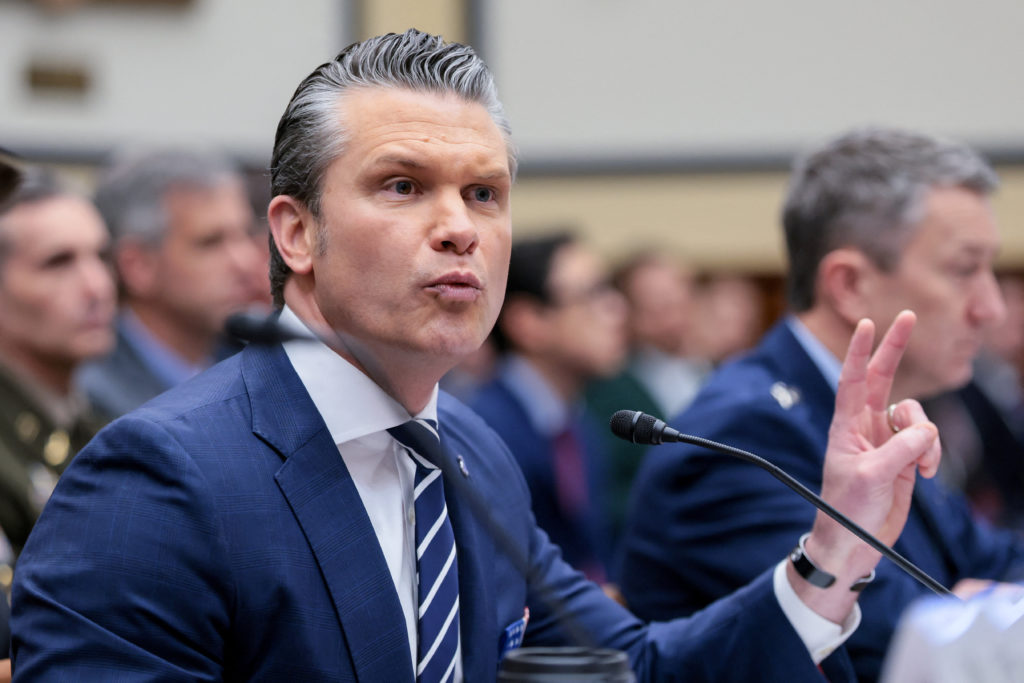
Defense Secretary Pete Hegseth underwent extensive questioning from members of Congress on Wednesday, marking his first appearance before lawmakers since the United States initiated military action against Iran. The hearing, described by PBS as contentious, highlighted a significant partisan divide within Congress regarding the ongoing conflict. Lawmakers specifically pressed Secretary Hegseth on a recent strike in Kuwait that resulted in the deaths of six U.S. troops, a detail reported by CBS News. This congressional scrutiny comes amidst growing concerns and calls for accountability regarding the war's conduct and its implications.
The hours-long session, noted by BBC World as the first time the U.S. defense secretary had faced questions under oath since the conflict began, saw Hegseth addressing critics of the Iran war, as reported by CBS News. The Associated Press characterized the event as a "grilling" where Hegseth faced sharp questioning from lawmakers. The hearing provided a critical platform for Congress to exercise oversight over the executive branch's military actions and strategy in the region, particularly concerning the war's progression and its human cost.
Key Facts
Defense Secretary Pete Hegseth appeared before Congress on Wednesday for questioning regarding the war with Iran, as reported by PBS and the Associated Press. This marked his initial testimony under oath since the conflict commenced, a detail emphasized by BBC World. During the hearing, lawmakers specifically questioned Hegseth about a strike in Kuwait that led to the deaths of six U.S. troops, according to CBS News. PBS further noted that the Pentagon revealed details about the war's impact during the session, though specific figures were not provided in the excerpt. The Associated Press highlighted that Democrats have consistently opposed the war since its launch by the Trump administration.
CBS News reported that Hegseth directly addressed critics of the Iran war during his testimony. The hearing itself was characterized by PBS as revealing a partisan divide over the conflict. BBC World summarized the event as a "clash with lawmakers," indicating the confrontational nature of the proceedings. The Associated Press framed Hegseth's appearance as a "grilling," underscoring the intensity of the congressional inquiry into the military engagement and its consequences.
Why This Matters
The congressional hearing involving Defense Secretary Hegseth holds substantial real-world significance, impacting various facets of national and international policy. First and foremost, it represents a critical exercise of legislative oversight over executive military action, ensuring accountability for decisions that commit U.S. forces to conflict. The questioning regarding the Kuwait strike and the deaths of six U.S. troops, as reported by CBS News, underscores the profound human cost of war, directly affecting military families and public sentiment. The transparency demanded by Congress, particularly concerning casualties and the war's progress, is vital for maintaining public trust and democratic principles.
Economically, prolonged military engagements like the Iran war have significant budgetary implications, diverting resources that could otherwise be allocated to domestic priorities. While specific figures were not detailed in the provided sources, PBS noted that the Pentagon revealed information about the war's cost, indicating its financial burden. Politically, the revealed partisan divide, highlighted by PBS, can hinder legislative action, complicate diplomatic efforts, and potentially impact future defense spending and foreign policy decisions. The Associated Press's mention of Democratic opposition to the war further illustrates this political polarization, which can have lasting effects on the nation's strategic direction.
Furthermore, the conflict's broader implications extend to regional stability and international relations. The U.S. engagement in Iran has repercussions for alliances, global energy markets, and the balance of power in the Middle East. The outcome of such hearings and the subsequent policy decisions can influence the safety of U.S. personnel stationed abroad, the effectiveness of diplomatic channels, and the potential for escalation or de-escalation of tensions. Therefore, the details discussed and the positions taken during Hegseth's testimony are not merely political theater but have tangible consequences for national security and global affairs.
Full Report
Defense Secretary Pete Hegseth appeared before Congress on Wednesday for a highly anticipated hearing, marking his first formal questioning since the Trump administration initiated military operations against Iran. The Associated Press described this event as Hegseth facing a "grilling" from lawmakers, indicating the intense nature of the inquiry. PBS characterized the hearing as contentious, revealing a distinct partisan divide within Congress regarding the ongoing conflict. This division was evident in the sharp questions directed at Hegseth, particularly from Democrats who, as the Associated Press noted, have consistently opposed the war since its inception.
A central point of contention during the session was a specific strike in Kuwait that resulted in the deaths of six U.S. troops, a detail highlighted by CBS News. Lawmakers pressed Secretary Hegseth for details and accountability regarding this incident, underscoring the human cost of the military engagement. CBS News also reported that Hegseth used his testimony to directly address critics of the Iran war, suggesting an attempt to defend the administration's strategy and actions. The BBC World emphasized the historical significance of the hearing, noting it was the first time the U.S. defense secretary had faced questions under oath since the conflict began, signifying a critical moment for congressional oversight.
While specific details regarding the war's financial cost or casualty figures were not extensively elaborated in the provided excerpts, PBS did report that the Pentagon revealed information about the war's impact during the hearing. The Associated Press's broader coverage indicated that the questioning encompassed the overall conduct of the war. The framing of the event varied slightly among outlets; CBS News focused on Hegseth's defense and the Kuwait strike, PBS on the partisan divide, and BBC World on the historical precedent of the testimony. Despite these nuances, all sources agreed on the core event: Hegseth's congressional appearance concerning the Iran war.
The hours-long session, as mentioned by BBC World, allowed for extensive questioning, providing lawmakers with an opportunity to scrutinize the administration's military strategy, operational decisions, and the rationale behind the ongoing conflict. The collective reporting indicates a concerted effort by Congress to gain clarity and ensure accountability, particularly given the contentious nature of the war and the casualties sustained. The hearing served as a public forum for both defense of the war effort and an expression of congressional concerns, reflecting the ongoing national debate surrounding the U.S. involvement in Iran.
Context & Background
The congressional hearing involving Defense Secretary Pete Hegseth did not occur in a vacuum but is rooted in the broader context of the United States' military engagement with Iran, which began under the Trump administration. This conflict has been a source of significant political debate and controversy since its launch, with the Associated Press specifically noting consistent opposition from Democrats. The decision to initiate military action against Iran followed a period of escalating tensions between the two nations, characterized by various incidents and policy disagreements that predated the formal declaration of war.
Prior to Hegseth's testimony, there had been growing calls for greater transparency and accountability regarding the war's progress, its strategic objectives, and its human and financial costs. The absence of a formal, under-oath testimony from the Defense Secretary until this point, as highlighted by BBC World, underscores the significance of Wednesday's hearing as a belated but crucial opportunity for congressional oversight. The public and lawmakers have been seeking detailed information on military operations, casualty figures, and the overall strategy guiding U.S. involvement in the region.
Furthermore, the strike in Kuwait that resulted in the deaths of six U.S. troops, a key focus of the questioning reported by CBS News, serves as a stark reminder of the ongoing dangers faced by American service members and the tangible consequences of military action. Such incidents often intensify public and political pressure for detailed explanations and reassessments of military strategy. The partisan divide noted by PBS reflects deeper ideological differences within American politics regarding foreign intervention, military spending, and the appropriate use of force in international relations, all of which form the backdrop to this high-stakes congressional inquiry.
What to Watch Next
Following Defense Secretary Hegseth's congressional testimony, attention will likely shift to several key areas. Lawmakers may pursue further hearings or briefings to delve deeper into specific aspects of the Iran war, particularly concerning the Kuwait strike and the broader military strategy. The Pentagon's revealed details about the war's impact, as noted by PBS, could prompt requests for more comprehensive reports on casualties, financial expenditures, and operational assessments. Congress may also consider legislative actions related to war powers or defense appropriations, especially given the partisan divide highlighted by PBS.
Observers should also monitor any official statements or reports from the Department of Defense that might elaborate on the information shared during the hearing or respond to congressional concerns. The Associated Press's mention of consistent Democratic opposition suggests that political pressure on the administration regarding the war will likely continue, potentially influencing future policy decisions or diplomatic efforts. Any new developments in the conflict zone, particularly concerning U.S. troop movements or engagements, will also be closely watched as they could directly impact the ongoing debate and congressional scrutiny.
Source Attribution
This report draws on coverage from CBS News, PBS, BBC World, and Associated Press.
Found this story useful? Share it:
Sources (5)
PBS
"Hegseth's contentious hearing in Congress reveals partisan divide over Iran war"
April 29, 2026
CBS News
"Lawmakers press Pete Hegseth about Kuwait strike in Iran war that killed 6 U.S. troops"
April 29, 2026
BBC World
"Three takeaways from Hegseth's clash with lawmakers over Iran war"
April 29, 2026