FCC Initiates Review of Disney Broadcast Licenses Following Presidential Criticism and Kimmel Joke
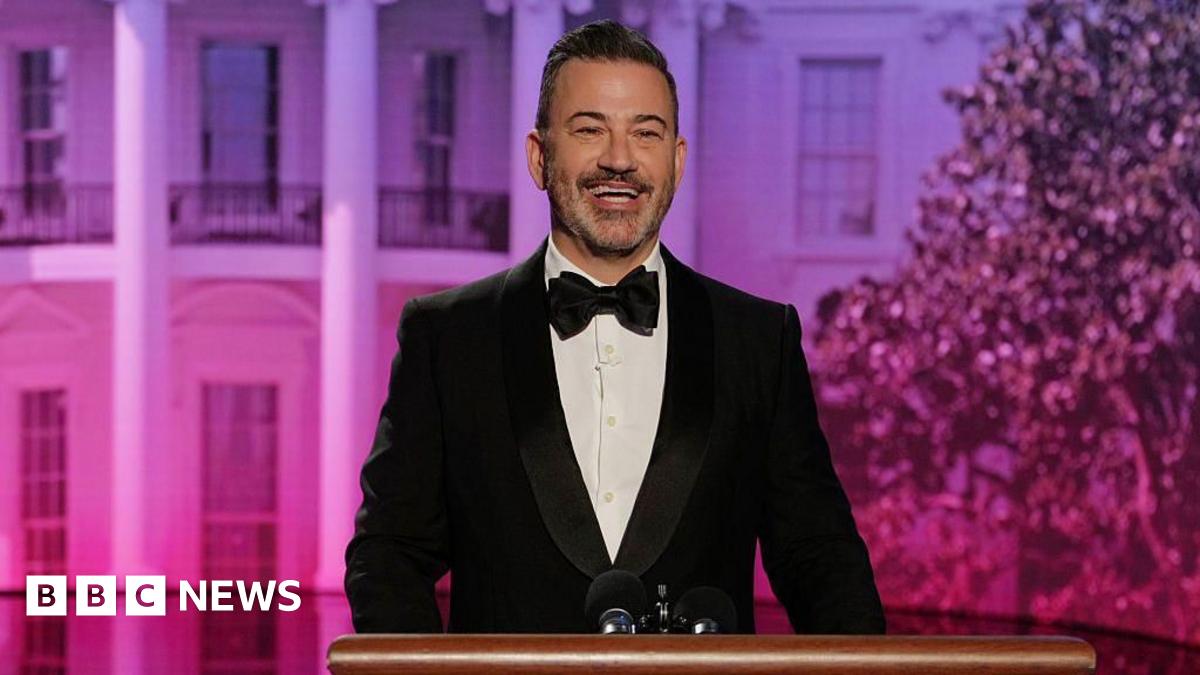
Compiled from 2 Sources
This report draws on coverage from BBC News, CBS News and presents a structured, balanced account that notes where outlets differ in their reporting.
Key Points
- The FCC has ordered Disney to file early license renewal applications for its ABC television stations.
- This action stems from an ongoing investigation, as reported by CBS News.
- BBC News links the FCC review to a Jimmy Kimmel joke about Melania Trump.
- CBS News emphasizes the FCC's order came a day after former President Trump called for Kimmel's firing.
- Disney maintains its stations have a long record of full compliance with FCC rules and public service.
- The situation raises questions about regulatory independence and political influence on media oversight.
Introduction
The Federal Communications Commission (FCC) has directed the Walt Disney Company to submit early license renewal applications for its ABC television stations. This directive comes amidst an ongoing investigation, following public criticism from former President Donald Trump regarding a joke made by comedian Jimmy Kimmel. The FCC's action signals a formal review process for Disney's broadcast operations, which could have significant implications for the company's media holdings and the broader regulatory landscape for broadcasters. This development underscores the potential for political pressure to influence regulatory scrutiny of media entities.
This move by the FCC follows a period of heightened scrutiny on media outlets, particularly those perceived to be critical of political figures. The requirement for early license renewal applications is an unusual step, indicating that the FCC is taking the matter seriously. Disney, a major player in the media industry, now faces a comprehensive review of its compliance with federal broadcasting regulations, a process typically undertaken at the end of a license term. The confluence of presidential remarks and regulatory action has drawn considerable attention to the FCC's role and independence.
Key Facts
According to CBS News, the Federal Communications Commission has directed the Walt Disney Co. to file early license renewal applications for its ABC television stations. This directive was issued a day after former President Donald Trump called for Jimmy Kimmel to be fired, linking the FCC's action to an ongoing investigation. The BBC News report specifies that the FCC's review pertains to Disney broadcast licenses, prompted by a Jimmy Kimmel joke about Melania Trump.
CBS News further reported that the FCC cited an ongoing investigation as the reason for requiring early renewals. The BBC News article mentions that Disney stated its stations "have a long record of operating in full compliance with FCC rules and serving their local communities with trusted news, emergency information, and public interest programming." Both sources confirm the involvement of the FCC and Disney's ABC stations in this regulatory action.
Why This Matters
This FCC action carries significant implications for media companies, regulatory independence, and the perceived influence of political figures over broadcast licensing. For Disney, the requirement to file early license renewals introduces an element of uncertainty and potential legal costs, as it must now demonstrate its adherence to FCC regulations under accelerated scrutiny. While Disney asserts its compliance, any findings of non-compliance could lead to fines, conditions on license renewals, or, in extreme cases, the revocation of licenses, impacting its extensive broadcast network and revenue streams.
Beyond Disney, this situation raises broader questions about the independence of regulatory bodies like the FCC from political pressure. When an FCC directive closely follows public criticism from a prominent political figure, it can create the perception that regulatory actions are influenced by political agendas rather than solely by established legal and ethical standards. This perception can erode public trust in regulatory institutions and potentially chill free speech among broadcasters who might fear similar repercussions for content deemed politically unfavorable.
Moreover, the incident highlights the ongoing tension between freedom of expression and the responsibilities of broadcasters, particularly concerning content that may be perceived as offensive or politically motivated. The FCC's role is to ensure broadcasters operate in the public interest, but defining and enforcing this without impinging on journalistic and creative freedoms is a delicate balance. The outcome of this review could set precedents for how the FCC responds to public complaints, especially those originating from high-profile political figures, thereby shaping the future landscape of broadcast regulation and media accountability.
Full Report
The Federal Communications Commission has formally instructed the Walt Disney Company to submit early license renewal applications for its ABC television stations, a move that both BBC News and CBS News have reported. This directive from the FCC is tied to an ongoing investigation, according to CBS News. The timing of this regulatory action is notable, as CBS News highlighted that it occurred a day after former President Donald Trump publicly called for the dismissal of comedian Jimmy Kimmel.
The BBC News report specifically links the FCC's review to a joke made by Jimmy Kimmel concerning Melania Trump. While the precise nature of the joke and its alleged violation of FCC rules are not detailed in the provided sources, the BBC's framing emphasizes the joke as the catalyst for the regulatory scrutiny. Disney, in response, has asserted that its stations "have a long record of operating in full compliance with FCC rules and serving their local communities with trusted news, emergency information, and public interest programming," as noted by the BBC News.
CBS News's headline, "FCC orders Disney to file for early license renewal after Trump calls for Jimmy Kimmel to be fired," directly connects the presidential criticism to the FCC's order. This suggests a potential link between political statements and regulatory action, a point of emphasis in CBS's coverage. The BBC's headline, "FCC to review Disney broadcast licenses after Jimmy Kimmel joke about Melania Trump," places the emphasis more squarely on the content of the joke as the trigger for the review.
Both outlets agree on the core fact that the FCC is requiring Disney to file early license renewals for its ABC stations due to an ongoing investigation. The difference lies in the emphasis: CBS News highlights the direct link to Trump's public demand for Kimmel's firing, implying a potential political motivation behind the FCC's decision. BBC News, while acknowledging the Kimmel joke, focuses on the regulatory process itself as a review of broadcast licenses. Neither source provides specific details about the nature of the FCC investigation or the exact rules Disney is alleged to have violated.
Context & Background
The Federal Communications Commission is an independent agency of the United States government responsible for regulating interstate and international communications by radio, television, wire, satellite, and cable. Its mandate includes licensing broadcast stations and ensuring they operate in the public interest, convenience, and necessity. Broadcast licenses are typically renewed every eight years, following a review process that assesses a station's compliance with FCC rules, including those related to content, technical operations, and public service obligations.
Presidential criticism of media outlets and personalities is not unprecedented in U.S. political history. However, the direct call for the firing of a comedian and the subsequent regulatory action by the FCC, as reported by CBS News, introduces a dynamic where political speech appears to directly precede and potentially influence regulatory scrutiny. This context is crucial for understanding the perceived implications of the current situation, as it raises questions about the separation of powers and the independence of regulatory bodies from executive pressure.
Jimmy Kimmel, as a late-night talk show host, is known for his political commentary and satirical humor, which often targets public figures. The specific joke about Melania Trump that triggered this review, according to BBC News, falls within the realm of political satire. The FCC generally avoids regulating content based on political viewpoint, focusing instead on issues like indecency or technical compliance. This makes the nature of the "ongoing investigation" particularly significant, as it will determine whether the FCC is acting on a legitimate regulatory concern or responding to external political pressure.
What to Watch Next
Observers should monitor the specific details of Disney's early license renewal applications once they are filed with the FCC. These applications will likely provide more insight into the scope of the FCC's investigation and the particular concerns it is addressing. The FCC's subsequent review process will involve public comment periods, allowing interested parties to submit their perspectives on Disney's compliance record. This public engagement phase will be critical for understanding the breadth of public and stakeholder opinion on the matter.
Further developments will include any official statements or findings released by the FCC regarding its investigation. The agency's final decision on the license renewals could include conditions, fines, or, in rare cases, a refusal to renew licenses. The legal challenges or appeals that Disney might pursue in response to any adverse findings will also be a key area to watch. The outcome of this process could establish important precedents for how the FCC handles complaints from high-profile political figures and how it balances regulatory oversight with concerns about freedom of speech in broadcasting.
Source Attribution
This report draws on coverage from BBC News and CBS News.
Found this story useful? Share it:
Sources (2)
BBC News
"FCC to review Disney broadcast licenses after Jimmy Kimmel joke about Melania Trump"
April 29, 2026
CBS News
"FCC orders Disney to file for early license renewal after Trump calls for Jimmy Kimmel to be fired"
April 29, 2026