US-Iran Diplomatic Efforts Stall Amid Ongoing Conflict and Domestic Events

Compiled from 3 Sources
This report draws on coverage from Al Jazeera English, NPR World, Al Jazeera and presents a structured, balanced account that notes where outlets differ in their reporting.
Key Points
- Diplomatic efforts to resolve the two-month-long US-Iran conflict have stalled, with no immediate breakthrough in sight.
- Al Jazeera English and Al Jazeera both reported that Washington and Tehran are maintaining their respective positions.
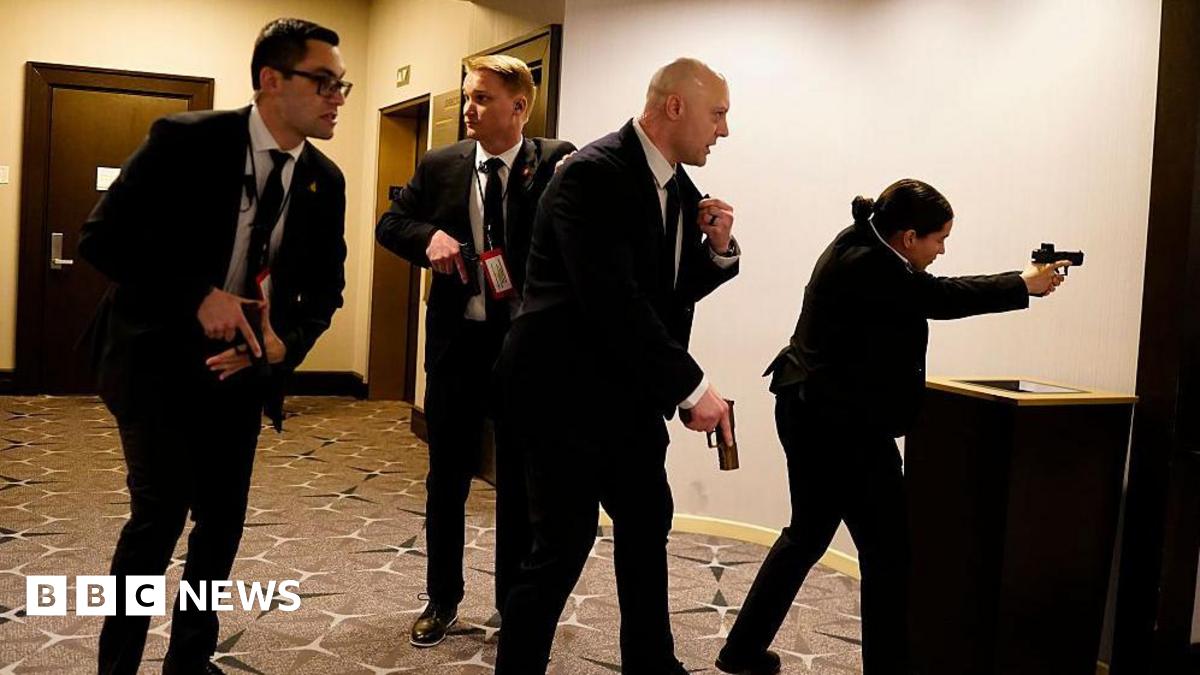
- NPR World noted that a shooting incident at the White House Correspondent's Dinner diverted focus from the Iran conflict.
- Iran's foreign minister is reportedly planning to return to Islamabad, a previous site for peace talks, according to NPR World.
- Mediators continue to hope for a diplomatic resolution despite the current impasse in negotiations.
- The conflict is framed as a "US-Israeli war with Iran" by Al Jazeera English, highlighting its regional scope.
Introduction
Diplomatic efforts aimed at resolving the two-month-long conflict between the United States and Iran have reportedly stalled, with negotiations showing little sign of progress. This impasse comes as both Tehran and Washington appear to maintain their respective positions, casting doubt on the immediate prospects for a diplomatic breakthrough. The situation is further complicated by concurrent events, including a recent shooting incident in the US, which temporarily diverted attention from the international conflict. The core issue revolves around the ongoing war involving the US, Israel, and Iran, with mediators continuing to seek a path toward de-escalation.
The lack of movement in peace talks suggests a deepening entrenchment of positions from both sides, despite previous attempts at negotiation. This diplomatic standstill has significant implications for regional stability and international relations, as the conflict continues to unfold. The focus remains on whether any new initiatives or external pressures might re-energize the stalled dialogue between the key parties involved.
Key Facts
According to Al Jazeera English, prospects for a diplomatic breakthrough in the US-Israeli war with Iran have dimmed, with negotiations to end the two-month conflict stalled. Both Tehran and Washington reportedly show little sign of compromise. Al Jazeera further noted that Washington and Tehran are sticking to their positions, even as mediators express hope for a diplomatic breakthrough in the US-Israel war on Iran.
NPR World reported that a shooting incident at the White House Correspondent's Dinner took focus away from the war in Iran. Additionally, NPR World stated that Iran's foreign minister planned to return to Islamabad, which has been the site of previous peace talks. The image credit for NPR's report was attributed to Meysam Mirzadeh, indicating a visual element related to the coverage.
Why This Matters
The stalling of diplomatic talks between the United States and Iran carries profound real-world significance, impacting regional stability, global energy markets, and international security alliances. The ongoing conflict, described by Al Jazeera English as a "US-Israeli war with Iran," directly affects the lives of millions in the Middle East, potentially leading to increased displacement, humanitarian crises, and economic disruption. A prolonged conflict could also draw in additional regional and international actors, escalating tensions and creating a broader, more unpredictable geopolitical landscape.
Economically, the uncertainty surrounding the conflict can lead to volatility in global oil prices, given the Middle East's critical role in energy supply. This affects consumers worldwide through higher fuel costs and impacts the economic stability of oil-dependent nations. Politically, the impasse challenges the efficacy of international diplomacy and underscores the difficulties in resolving complex, multi-faceted conflicts involving major global powers. The inability to find common ground could further erode trust between nations and complicate future efforts to address shared global challenges, from climate change to nuclear proliferation. The domestic events, such as the shooting reported by NPR World, also highlight how internal developments can intersect with and potentially distract from pressing international crises, influencing the attention and resources allocated to diplomatic solutions.
Full Report
Diplomatic efforts aimed at de-escalating the two-month-old conflict involving the United States, Israel, and Iran have reached a standstill, with negotiations showing little forward momentum. Al Jazeera English reported that the prospects for a diplomatic breakthrough have dimmed, noting that both Tehran and Washington are exhibiting few signs of willingness to compromise. This assessment was echoed by Al Jazeera, which stated that Washington and Tehran are adhering to their established positions, despite the continued hopes of mediators for a resolution to the "US-Israel war on Iran."
The lack of progress in these crucial talks comes at a time when international attention is also being drawn to other significant events. NPR World highlighted that a shooting incident at the White House Correspondent's Dinner temporarily shifted focus away from the ongoing conflict in Iran. This suggests that domestic occurrences, even those unrelated to the international conflict, can influence the public and political discourse surrounding foreign policy matters.
Amidst the stalled talks, Iran's foreign minister was reportedly planning a return to Islamabad, according to NPR World. Islamabad has previously served as a venue for peace talks concerning the conflict, indicating a continued, albeit currently unproductive, diplomatic channel. The persistence of these discussions, even in the absence of immediate breakthroughs, underscores the ongoing need for dialogue in complex international disputes. The differing headlines, with Al Jazeera English and Al Jazeera focusing on the stalled talks and NPR World mentioning the shooting and peace talks, illustrate varied editorial emphasis on concurrent developments.
Context & Background
The current diplomatic impasse is set against the backdrop of a two-month-long conflict, which Al Jazeera English explicitly refers to as a "US-Israeli war with Iran." This framing suggests a broader regional confrontation with significant geopolitical implications, rather than isolated incidents. The involvement of both the United States and Israel on one side, and Iran on the other, points to deep-seated historical tensions and strategic rivalries that have long characterized relations in the Middle East. These tensions often involve a complex interplay of security concerns, regional influence, and ideological differences.
The mention of previous peace talks in Islamabad, as reported by NPR World, indicates that diplomatic channels have been established and utilized before, suggesting a history of attempts to de-escalate or resolve aspects of the conflict. The fact that these talks are now stalled, with both Washington and Tehran reportedly sticking to their positions, highlights the entrenched nature of the current dispute. This situation likely stems from fundamental disagreements over key issues, which could include nuclear programs, regional proxy conflicts, and the presence of foreign military forces. Understanding the current stalemate requires acknowledging the long-standing grievances and strategic objectives of all parties involved, which contribute to the difficulty in achieving a breakthrough.
What to Watch Next
Observers will closely monitor any potential shifts in rhetoric or policy from both Washington and Tehran, as these could signal a willingness to re-engage in substantive negotiations. The planned return of Iran's foreign minister to Islamabad, as reported by NPR World, suggests that diplomatic channels, however dormant, remain open. Future statements or actions from Iran following this visit could provide insight into their updated negotiating stance or conditions for resuming talks. Any third-party mediation efforts will also be crucial to watch, as external actors may seek to bridge the divide between the principal parties.
Additionally, the international community will be looking for any developments that might alter the current balance of power or perceived leverage, such as significant economic sanctions, military exercises, or regional alliances. The impact of domestic events, like the shooting reported by NPR World, on the focus and priorities of the US administration will also be a factor. Any official statements from the White House or State Department regarding the conflict's status will be critical indicators of potential next steps or a renewed push for diplomatic solutions.
Source Attribution
This report draws on coverage from Al Jazeera English, NPR World, and Al Jazeera.
Found this story useful? Share it:
Sources (3)
Al Jazeera English
"Iran war: What’s happening on day 58 as Tehran-Washington talks stall?"
April 26, 2026
NPR World
"Trump doubts shooter motivated by Iran war as peace talks on hold"
April 26, 2026
Al Jazeera
"US-Iran conflict: What’s the latest as the Islamabad talks stall?"
April 26, 2026