Strait of Hormuz Oil Shock Anticipated to Impact Global Demand
Compiled from 2 Sources
This report draws on coverage from Bloomberg Markets and presents a structured, balanced account that notes where outlets differ in their reporting.
Key Points
- An anticipated "oil shock" related to the Strait of Hormuz is expected to impact global demand.
- Demand has not yet crashed due to wealthier nations borrowing from oil stocks and paying higher prices for supply.
- Traders are warning of an imminent "harsh adjustment" in the market.
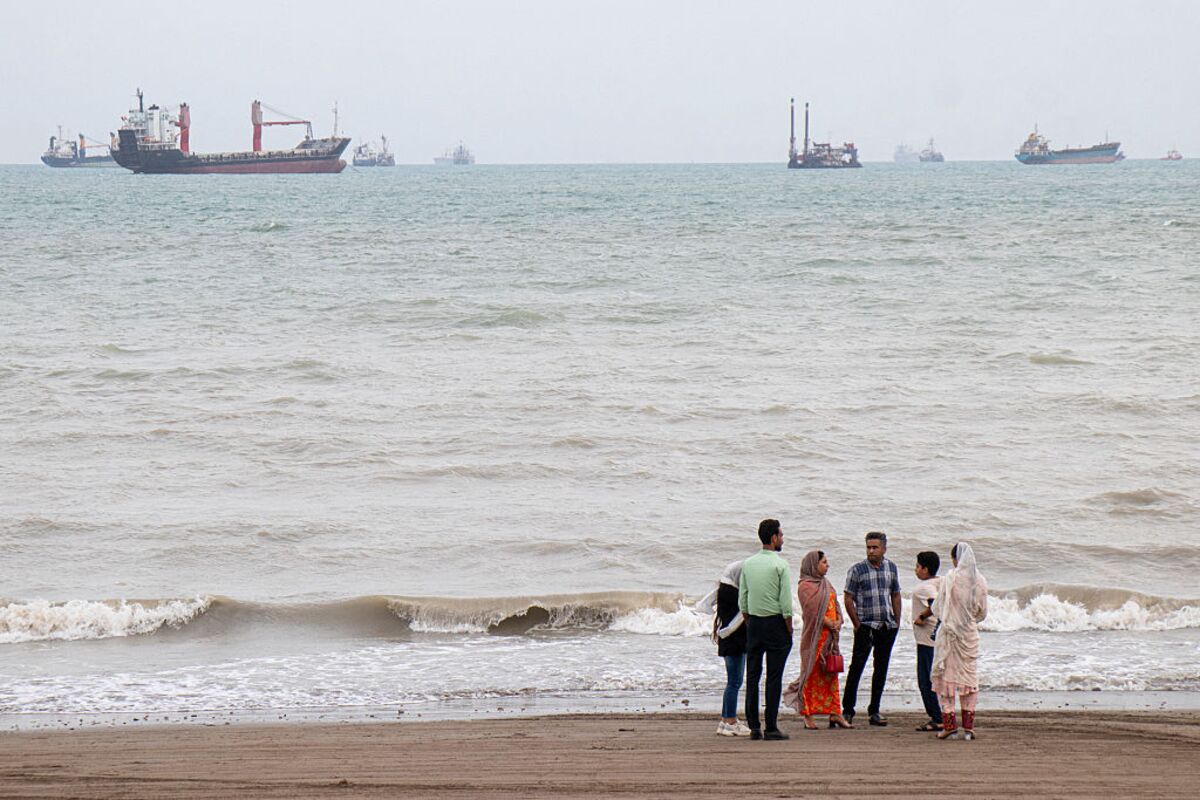
- The Strait of Hormuz is a critical chokepoint for global oil transit, impacting energy security and economies.
- Bloomberg News personnel, including Peggy Collins and Jeff Mason, were involved in discussing the broader implications.
Introduction
Global energy markets are bracing for a significant shift as an anticipated "oil shock" stemming from the Strait of Hormuz is projected to impact demand. While the immediate effects have been mitigated by strategic reserves and increased purchasing by wealthier nations, industry experts are signaling that a substantial market correction is imminent. This situation highlights the delicate balance of global oil supply and demand, particularly concerning critical chokepoints for energy transit.
The current market stability, characterized by the rich world drawing from its oil stocks and paying higher prices to secure necessary supplies, is viewed as temporary. Traders are now issuing warnings about an impending harsh adjustment, suggesting that the current approach is unsustainable and will eventually lead to a downturn in demand. The Strait of Hormuz, a vital artery for global oil shipments, remains a focal point for these concerns, underscoring its geopolitical and economic importance.
Key Facts
Both Bloomberg Markets reports consistently state that the Strait of Hormuz oil shock has not yet led to a crash in demand. This is attributed to wealthier nations actively borrowing from their existing oil stocks and increasing their expenditure to secure supply. A key consensus across both sources is that traders are now sounding the alarm, indicating that a "harsh adjustment" in the market is on the horizon. The second Bloomberg Markets report further specifies that Bloomberg News Washington Bureau Chief Peggy Collins and White House Correspondent Jeff Mason were scheduled to join David Gura and Christina Ruffini on Bloomberg This Weekend to discuss the latest political developments, a segment that would likely touch upon the broader implications of such an oil shock. This detail provides context on how Bloomberg was covering the story, integrating it into a wider political discussion.
Why This Matters
The potential for a Strait of Hormuz oil shock to crash demand carries profound implications for the global economy, energy security, and international relations. The Strait, a narrow waterway between Oman and Iran, is a critical chokepoint through which approximately one-fifth of the world's total oil consumption passes daily. Any disruption, perceived or real, in this region sends ripples across global markets, influencing everything from gasoline prices at the pump to the operational costs of industries reliant on oil.
For consumers, a demand crash driven by supply concerns or price volatility could translate into significant economic hardship. Businesses, particularly those in transportation, manufacturing, and logistics, would face increased operational costs, potentially leading to higher consumer prices, reduced production, and even job losses. Governments, especially those in oil-importing nations, would grapple with energy security challenges, necessitating a re-evaluation of strategic reserves, alternative energy sources, and diplomatic strategies to ensure stable supply routes. The current reliance on borrowing from stocks and paying premiums, as noted by Bloomberg Markets, is a short-term fix that underscores the vulnerability of the existing energy infrastructure and the urgent need for long-term solutions.
Full Report
The core assertion across both Bloomberg Markets reports is the impending nature of an oil shock's impact on demand, specifically linked to the Strait of Hormuz. Both sources unequivocally state that the demand crash has not yet occurred, attributing this temporary stability to the actions of affluent nations. These nations are reportedly utilizing their strategic oil reserves, effectively borrowing from their existing stocks to maintain supply levels. Concurrently, they are also engaging in higher-cost purchases to secure the necessary oil, indicating a willingness to absorb increased expenses to prevent immediate market disruption.
However, this current state of affairs is not expected to last. Both Bloomberg Markets articles highlight that traders within the energy sector are now vocally expressing concerns, warning of an inevitable "harsh adjustment" in the market. This phrase suggests a significant correction or downturn that will eventually force a reduction in global oil demand. The first Bloomberg Markets report focuses solely on these market dynamics and the traders' warnings. The second Bloomberg Markets report, while echoing the same market assessment, provides additional context regarding Bloomberg's internal coverage. It specifies that Bloomberg News Washington Bureau Chief Peggy Collins and White House Correspondent Jeff Mason were slated to join David Gura and Christina Ruffini on Bloomberg This Weekend. This indicates that the discussion around the Strait of Hormuz oil shock was being integrated into broader political discourse, suggesting its far-reaching implications beyond just commodity markets. No differences in framing regarding the market dynamics or the traders' warnings were noted between the two sources; both presented a unified perspective on the impending demand crash.
Context & Background
The Strait of Hormuz has historically been a flashpoint for geopolitical tensions, directly impacting global oil markets. Its strategic importance stems from its geographical position as the sole sea passage from the Persian Gulf to the open ocean, making it a critical transit route for crude oil and liquefied natural gas (LNG) from major Middle Eastern producers. Past disruptions or threats of disruption in the Strait, often linked to regional conflicts or political disputes involving Iran, have consistently triggered spikes in oil prices and heightened concerns about global energy security.
Nations worldwide, particularly those heavily reliant on imported oil, maintain strategic petroleum reserves precisely for scenarios like a potential Strait of Hormuz disruption. These reserves are designed to provide a buffer against sudden supply shocks, allowing time for markets to adjust or for diplomatic solutions to be found. The current situation, where the "rich world borrows from its stocks and pays up to secure supply," as reported by Bloomberg Markets, reflects the activation of these contingency measures. This historical context underscores why traders are now sounding the alarm, recognizing that such measures are temporary and that sustained reliance on them is unsustainable, inevitably leading to a market correction or a "harsh adjustment" in demand.
What to Watch Next
Observers should closely monitor global oil inventory levels, particularly the strategic reserves of major importing nations, as their depletion rates will indicate the sustainability of current market conditions. Any official statements or reports from international energy organizations, such as the International Energy Agency (IEA) or OPEC, regarding supply forecasts, demand projections, or emergency response measures will be crucial. Furthermore, geopolitical developments in the Middle East, especially those involving the Strait of Hormuz and surrounding maritime security, will remain a key factor influencing market sentiment and the likelihood of a "harsh adjustment." The actions and rhetoric of key political figures and military forces in the region should be carefully observed for any signs of escalation or de-escalation that could impact oil transit.
Source Attribution
This report draws on coverage from Bloomberg Markets.
Found this story useful? Share it:
Sources (2)
Bloomberg Markets
"The Billion-Barrel Hormuz Oil Shock Is About to Crash Demand"
April 25, 2026
Bloomberg Markets
"Billion-Barrel Hormuz Oil Shock Is About to Crash Demand"
April 25, 2026