
New Data Center Gas Projects Threaten Significant Greenhouse Gas Emissions
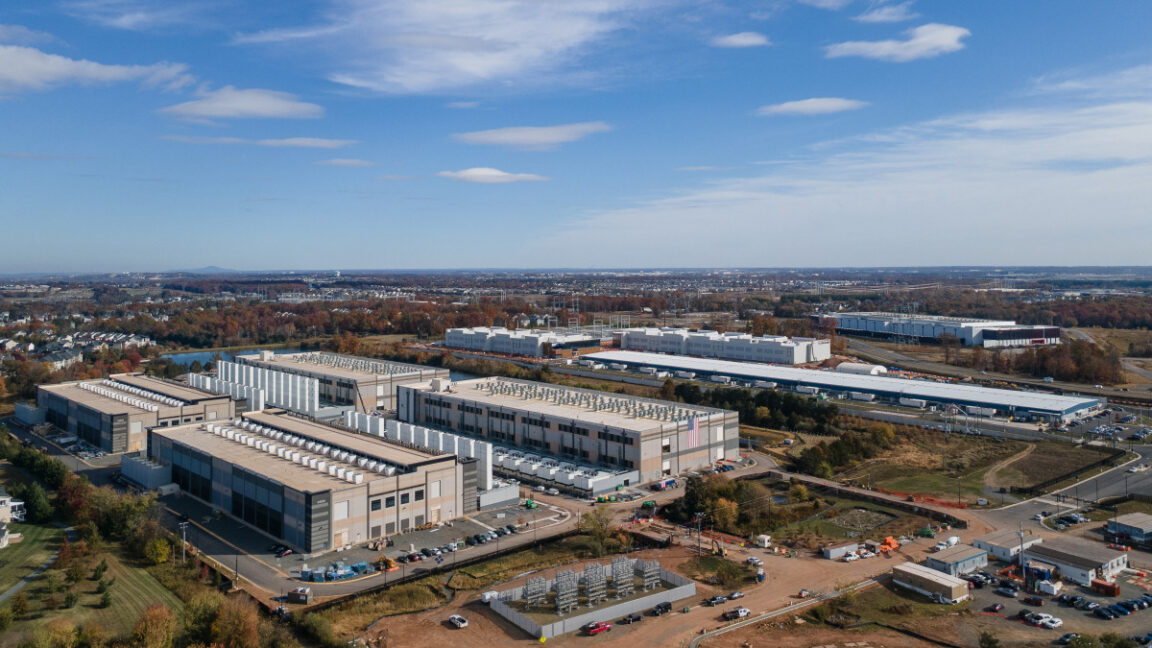
Compiled from 2 Sources
This report draws on coverage from Ars Technica, Wired and presents a structured, balanced account that notes where outlets differ in their reporting.
Key Points
- New natural gas projects for 11 US data center campuses could emit over 129 million tons of greenhouse gases annually.
- These emissions could exceed Morocco's total greenhouse gas output for 2024, according to Ars Technica.
- The data centers are intended to power major AI companies, including OpenAI, Meta, Microsoft, and xAI.
- The projects represent only a fraction of the total data center expansion, indicating a larger potential climate cost.
- Many data centers are adopting 'behind-the-meter' power generation, bypassing traditional utility grids due to delays and public resistance.
- The reliance on natural gas for AI infrastructure poses a significant challenge to global climate goals.
Introduction
The rapid expansion of data centers, driven by the burgeoning artificial intelligence industry, is poised to dramatically increase greenhouse gas emissions, potentially surpassing the annual output of entire countries. A recent examination of air permit documents reveals that new natural gas projects intended to power just a fraction of these facilities could contribute more than 129 million tons of greenhouse gases annually. This surge in energy demand, largely from major AI companies like OpenAI, Meta, Microsoft, and xAI, highlights a growing environmental concern as the tech sector races to build out its infrastructure.
This development points to a significant challenge in balancing technological advancement with climate goals. The scale of these projected emissions underscores the substantial environmental footprint of the AI boom, prompting questions about sustainable energy solutions for the industry's future. The findings suggest that the current trajectory of data center development, particularly its reliance on natural gas, could have far-reaching implications for global climate efforts.
Key Facts
A review of air permit documents, conducted by WIRED and cited by Ars Technica, indicates that natural gas projects linked to just 11 data center campuses in the United States have the potential to emit over 129 million tons of greenhouse gases per year. According to Ars Technica, this figure could exceed the total greenhouse gas emissions of Morocco in 2024. These projects are being developed to power data centers serving prominent AI companies, including OpenAI, Meta, Microsoft, and xAI, as reported by both Ars Technica and Wired.
Both sources agree that these specific projects represent only a fraction of the overall data center expansion, suggesting the broader climate cost of the AI boom could be even higher. Ars Technica further detailed that much of this infrastructure is designed for "behind-the-meter" power generation, allowing data centers to largely bypass traditional utility grids. This trend is emerging as data center developers face extended wait times for grid connections and increasing public resistance to potential energy bill increases, making self-generation an increasingly attractive option, as noted by Ars Technica.
Why This Matters
The projected emissions from these new data center gas projects carry profound implications for global climate targets and energy policy. If just 11 campuses can potentially emit more greenhouse gases than an entire nation, the cumulative impact of hundreds of planned data centers could severely undermine efforts to combat climate change. This situation directly challenges the sustainability narratives often associated with technological progress, forcing a reckoning with the physical resource demands of digital infrastructure. The environmental burden disproportionately affects communities near these facilities, which may experience increased air pollution and other health impacts, while the broader public faces the consequences of accelerated climate change.
Economically, the shift towards behind-the-meter power generation by data centers could reshape energy markets. While it offers developers independence from utility delays, it also means a significant portion of new energy demand is met outside regulated utility frameworks, potentially complicating grid planning and renewable energy integration. Furthermore, the reliance on natural gas, a fossil fuel, represents a lock-in effect, committing these facilities to carbon-intensive operations for decades, even as global efforts push for decarbonization. This trend could also lead to increased energy costs for consumers if utilities are left with less efficient infrastructure or if the environmental costs are externalized.
Socially, the rapid expansion of AI and data centers raises questions about the societal value proposition versus its environmental cost. While AI promises advancements in various fields, its foundational energy consumption demands a critical assessment. Public resistance to higher energy bills, as mentioned by Ars Technica, indicates a growing awareness and concern among citizens regarding energy infrastructure development. This situation necessitates transparent discussions about the trade-offs involved and the development of more sustainable energy solutions for the tech industry to maintain public trust and support.
Full Report
New analyses of air permit documents reveal a significant environmental concern stemming from the rapid expansion of data centers, particularly those supporting the artificial intelligence sector. According to Ars Technica, natural gas projects associated with just 11 data center campuses across the United States are projected to generate more than 129 million tons of greenhouse gases annually. This staggering figure, as detailed by Ars Technica, could surpass the entire greenhouse gas emissions of Morocco in 2024.
Both Ars Technica and Wired reported that these substantial emissions are linked to data centers being built to serve some of the most powerful AI companies, including industry giants like OpenAI, Meta, Microsoft, and xAI. Wired's review of permits specifically highlighted projects utilizing natural gas for power generation. Ars Technica emphasized that these identified projects represent merely "the tip of the iceberg" in terms of the potential climate cost associated with the broader AI boom, suggesting that the total environmental impact could be far greater as tech companies continue their race to secure massive power deals for hundreds of new data centers nationwide.
A key detail reported by Ars Technica is the emerging trend of "behind-the-meter" power generation. This involves data center infrastructure being developed to largely bypass the traditional utility grid, instead generating power solely for the data centers themselves. Ars Technica explained that this approach is becoming increasingly popular among data center developers due to long wait times for connections to conventional utilities and growing public opposition to the possibility of higher energy bills. These projects are either already announced or currently under construction, with companies having submitted the necessary air permit application materials to state agencies.
While both outlets focused on the scale of potential emissions and the involvement of major AI companies, Ars Technica provided additional context regarding the motivations behind the shift to behind-the-meter power generation and its implications for the broader energy landscape. Wired's reporting was more concise, focusing directly on the permit review and the emission figures. Both sources, however, underscored the critical environmental challenge posed by the energy demands of the expanding AI infrastructure.
Context & Background
The current surge in data center development and its associated energy demands must be understood within the broader context of the artificial intelligence revolution. The rapid advancements in AI technologies, from large language models to complex machine learning algorithms, require immense computational power. This power is supplied by vast networks of servers housed in data centers, which, in turn, consume enormous amounts of electricity. For years, the tech industry has been grappling with the energy footprint of its operations, with many companies pledging to power their facilities with renewable energy.
However, the unprecedented growth of AI has introduced new challenges. The sheer scale and speed of expansion needed to support AI infrastructure are pushing existing energy grids to their limits. Traditional utility companies often face lengthy processes for approving and constructing new transmission lines and power plants, leading to significant delays for data center developers. This bottleneck has incentivized tech companies to explore alternative power solutions, including self-generation.
The increasing public discourse around climate change and energy costs also forms a crucial backdrop. As concerns about greenhouse gas emissions intensify, and as consumers face rising utility bills, there is growing scrutiny of large-scale energy projects. This environment makes it challenging for new fossil fuel-based power plants to gain public acceptance, further pushing developers towards solutions that offer more direct control over their energy supply, even if those solutions still rely on carbon-intensive fuels like natural gas.
What to Watch Next
Moving forward, several key areas warrant close attention to understand the evolving landscape of data center energy consumption and its environmental impact. Observers should monitor the progress of air permit applications for additional data center gas projects across various states, as these will provide further insight into the scale and location of future emissions. Regulatory bodies at both state and federal levels will likely face increasing pressure to scrutinize these permits more closely, potentially leading to new environmental impact assessments or stricter emission standards.
Furthermore, the responses from major AI companies, including OpenAI, Meta, Microsoft, and xAI, regarding their energy sourcing strategies will be critical. Any announcements of commitments to renewable energy for their data centers, or investments in grid modernization and energy storage solutions, could signal a shift in industry practices. The development of innovative, low-carbon power generation technologies specifically tailored for data centers, such as small modular reactors or advanced geothermal systems, should also be closely watched for their potential to mitigate the reliance on natural gas.
Source Attribution
This report draws on coverage from Ars Technica and Wired.
Found this story useful? Share it:
Sources (2)
Ars Technica
"Greenhouse gases from data center boom could outpace entire nations"
April 23, 2026
Wired
"New Gas-Powered Data Centers Could Emit More Greenhouse Gases Than Entire Nations"
April 22, 2026