Iran-US Tensions Escalate Amid Hormuz Blockade, Oil Prices Rise
Compiled from 3 Sources
This report draws on coverage from CBS News, Al Jazeera, Bloomberg Markets and presents a structured, balanced account that notes where outlets differ in their reporting.
Key Points
- CBS News reported the firing of a Navy secretary amid the ongoing Iran war and Strait of Hormuz blockade.
- Al Jazeera questioned the sustainability of the US's Hormuz blockade for Iran and the US's ability to maintain it.
- Bloomberg Markets noted Brent crude oil prices rose above $105 a barrel for a fifth day due to the US-Iran impasse.
- The dollar was on course for its first weekly gain, while Treasuries eased, with the 10-year yield at 4.32%.
- The conflict is an eight-week stalemate between Washington and Tehran over diplomatic talks.
- Despite geopolitical risks, nearly 80% of US equity benchmark firms beat Q1 earnings estimates, per Bloomberg.
Introduction
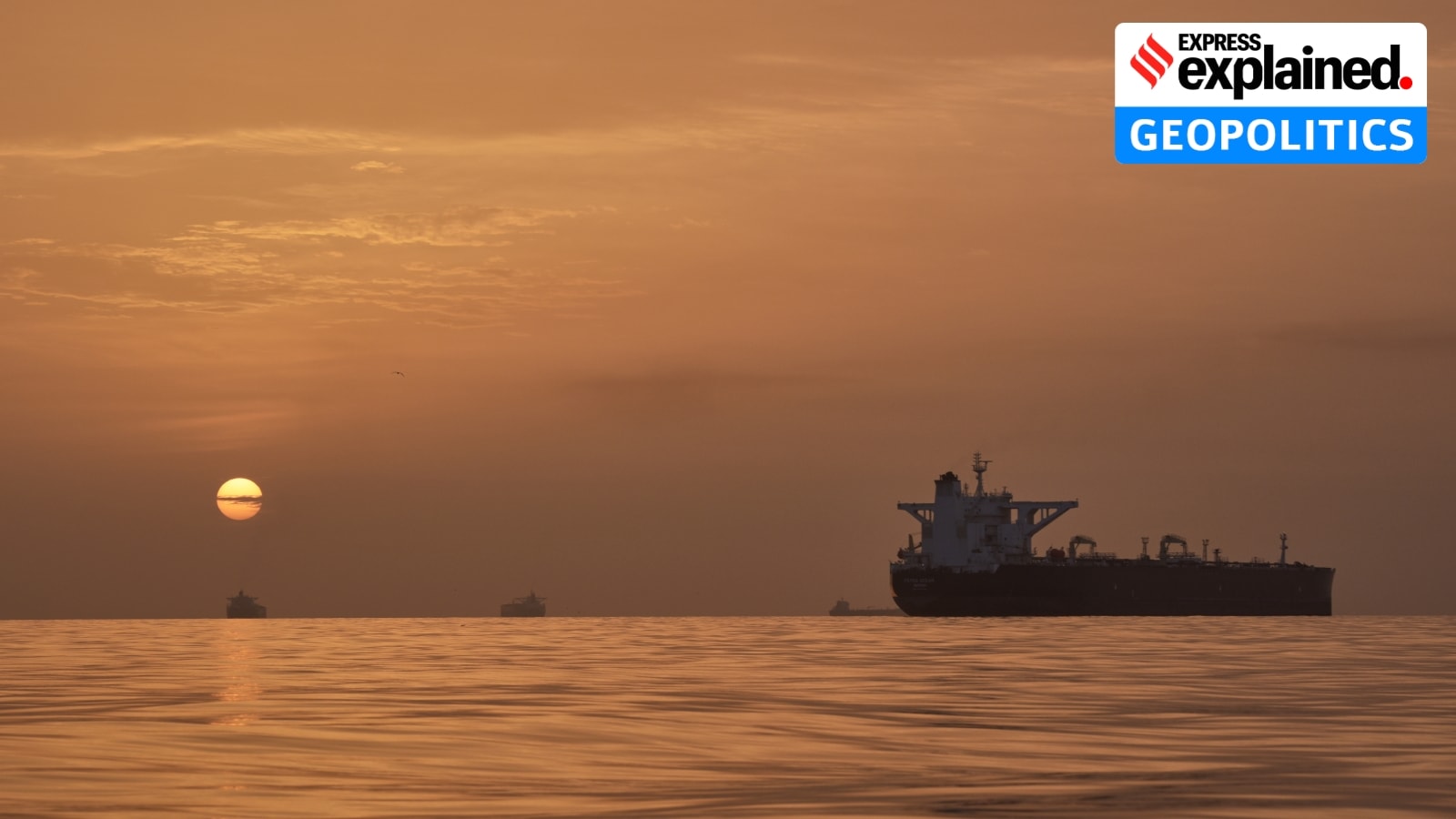
Recent developments indicate a significant escalation in tensions between the United States and Iran, centered around the Strait of Hormuz. The situation has led to a naval blockade and an ongoing eight-week conflict, prompting concerns across global markets. While details regarding a specific Navy secretary's firing remain limited, the broader geopolitical standoff is having tangible economic effects, particularly on oil prices and currency markets.
The impasse between Washington and Tehran over diplomatic talks has intensified, with both sides seemingly entrenched in their positions. This sustained conflict and the strategic importance of the Strait of Hormuz are drawing international attention, as the potential for further disruption to global trade and energy supplies looms large. The economic ramifications are already evident, with key financial indicators reacting to the prolonged uncertainty.
Key Facts
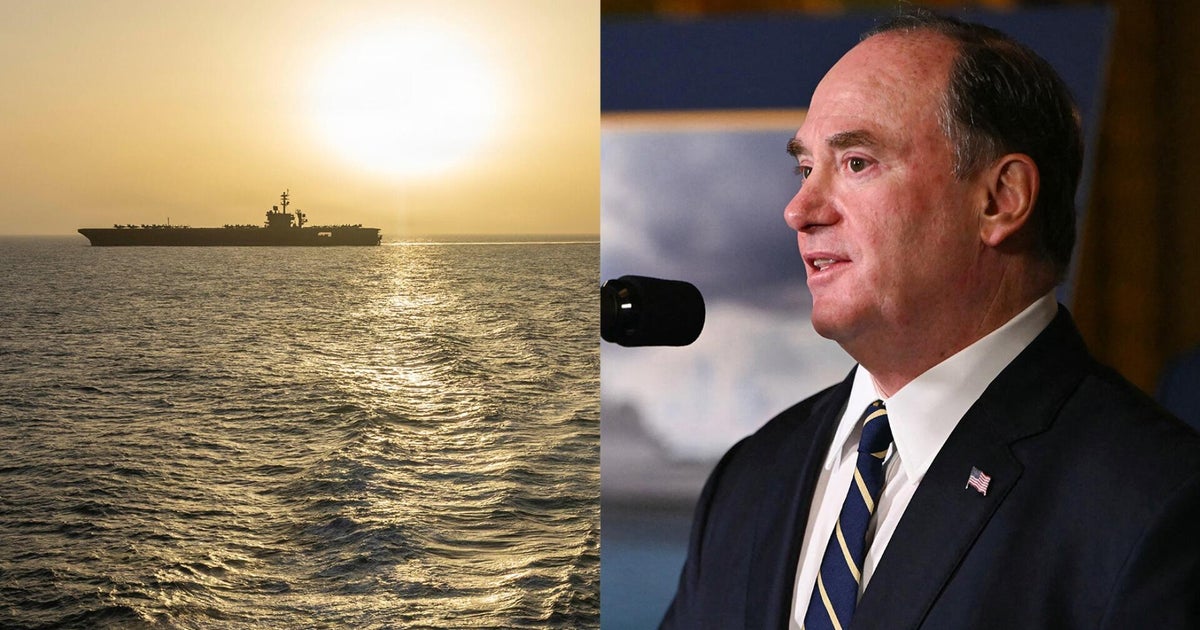
CBS News reported on the "firing of Navy secretary amid Iran war, Strait of Hormuz blockade," suggesting a significant internal development within the US military leadership tied to the ongoing conflict. Al Jazeera, from its perspective, framed the situation with questions regarding the sustainability of the blockade, asking, "How long can Iran survive the US’s Hormuz blockade?" and also posing, "And just how long can the US hold out?"
Bloomberg Markets provided specific economic data, noting that Brent crude oil advanced for a fifth consecutive day, climbing above $105 a barrel. This surge was attributed to the "impasse between Washington and Tehran over how to proceed with talks to end their eight-week conflict." Bloomberg also reported that the dollar was on course for its first weekly gain this month, while Treasuries eased, with the 10-year yield one basis point lower at 4.32%. The financial outlet further highlighted that nearly 80% of the US equity benchmark’s firms had beaten first-quarter earnings estimates so far, despite market volatility.
Why This Matters
The escalating tensions in the Strait of Hormuz carry profound real-world significance, impacting global energy security, international trade, and the stability of financial markets. The Strait is a critical chokepoint for a substantial portion of the world's oil supply, meaning any disruption directly translates into higher energy costs for consumers and businesses worldwide. This directly affects everything from transportation expenses to manufacturing costs, potentially fueling inflation and slowing economic growth in numerous countries dependent on Middle Eastern oil.
Beyond immediate economic impacts, the prolonged standoff between the US and Iran raises the specter of broader regional instability. Military actions or miscalculations in such a volatile area could draw in other regional and international actors, leading to a wider conflict with devastating humanitarian and economic consequences. The questions posed by Al Jazeera regarding the endurance of both Iran and the US in this blockade highlight the unsustainable nature of the current situation and the potential for either side to reach a breaking point, possibly leading to unpredictable outcomes.
Furthermore, the financial market reactions reported by Bloomberg Markets underscore the sensitivity of global capital to geopolitical risks. While corporate profits in the US have remained strong, sustained uncertainty can erode investor confidence, lead to capital flight, and destabilize economies. The performance of Brent crude, the dollar, and Treasuries serves as a barometer for global anxiety, indicating that even without direct military confrontation, the economic fallout of this geopolitical stalemate is substantial and far-reaching, affecting pension funds, investment portfolios, and the daily lives of citizens through commodity prices.
Full Report
The ongoing conflict between the United States and Iran, now in its eighth week, continues to center around the strategic Strait of Hormuz, a vital maritime passage. CBS News reported on a notable development within the US defense establishment, specifically mentioning the "firing of Navy secretary amid Iran war, Strait of Hormuz blockade." While CBS News did not elaborate on the specific reasons for this personnel change or the identity of the individual, its reporting indicates a direct link between this high-level dismissal and the current geopolitical crisis.
Al Jazeera offered a perspective focused on the sustainability and endurance of the blockade, raising critical questions for both sides. The outlet's headlines, "How long can Iran survive the US’s Hormuz blockade?" and "And just how long can the US hold out?", highlight the perceived stalemate and the long-term challenges faced by both nations. This framing suggests a focus on the resilience and strategic patience required from both Tehran and Washington in the face of sustained pressure and economic measures.
Bloomberg Markets provided a detailed analysis of the financial implications, noting that Brent crude oil prices have seen a significant increase, advancing for a fifth consecutive day to climb above $105 a barrel. This rise was directly attributed by Bloomberg to the "impasse between Washington and Tehran over how to proceed with talks to end their eight-week conflict." The report also indicated a strengthening US dollar, which was on track for its first weekly gain this month, alongside a slight easing in Treasuries, with the 10-year yield dropping one basis point to 4.32%. Notably, Bloomberg also reported that despite the geopolitical risks, corporate profits in the US equity benchmark remained robust, with nearly 80% of firms beating first-quarter earnings estimates.
Context & Background
The Strait of Hormuz is a narrow waterway located between the Persian Gulf and the Gulf of Oman, serving as the only sea passage from the Persian Gulf to the open ocean. It is one of the world's most strategically important chokepoints for oil transit, with approximately one-fifth of the world's total oil consumption passing through it daily. This makes any disruption to its navigation a matter of global economic and political concern.
The current eight-week conflict between the US and Iran is the latest chapter in a long history of strained relations, often characterized by economic sanctions, military posturing, and proxy conflicts in the Middle East. Tensions have frequently flared over Iran's nuclear program, its regional influence, and the presence of US military forces in the Gulf. Blockades and threats to disrupt shipping in the Strait of Hormuz have historically been used by Iran as a leverage point against international pressure.
Previous incidents involving naval confrontations, seizures of oil tankers, and accusations of sabotage have underscored the volatile nature of this region. The current stalemate regarding talks, as reported by Bloomberg Markets, suggests a breakdown in diplomatic efforts to de-escalate the situation, pushing both sides towards a prolonged period of confrontation. This historical backdrop of intermittent crises and the strategic importance of the Strait are crucial for understanding the gravity of the present situation and its potential ramifications.
What to Watch Next
Observers should closely monitor any official statements from the US Department of Defense regarding the reported firing of a Navy secretary, as further details could shed light on internal US strategies or challenges related to the Hormuz blockade. Additionally, the rhetoric from both Washington and Tehran concerning the potential for diplomatic talks will be critical. Any indications of willingness to re-engage in negotiations, or conversely, a hardening of positions, will significantly influence the trajectory of the conflict.
The global oil markets will remain a key indicator, with the price of Brent crude and other benchmarks reflecting the perceived stability or instability in the Strait of Hormuz. Analysts will be watching for sustained price increases or sudden drops, which could signal either an escalation or a de-escalation of tensions. Furthermore, the performance of the US dollar and Treasury yields, as highlighted by Bloomberg, will continue to provide insights into broader investor confidence and risk assessment in response to the geopolitical climate.
Source Attribution
This report draws on coverage from CBS News, Al Jazeera, and Bloomberg Markets.
Found this story useful? Share it:
Sources (3)
CBS News
"Details on firing of Navy secretary amid Iran war, Strait of Hormuz blockade"
April 23, 2026
Al Jazeera
"How long can Iran survive the US’s Hormuz blockade?"
April 24, 2026
Bloomberg Markets
"Iran War: Hormuz Stalemate Lifts Oil for a 5th Day | The Opening Trade 4/24/2026"
April 24, 2026