NFL Draft Set to Commence with Focus on Top Prospects, Trades, and Team Strategies
Structured Editorial Report
This report is based on coverage from RTE and has been structured for clarity, context, and depth.
Key Points
- The NFL Draft is set to begin tonight in Pittsburgh, featuring 32 teams selecting college talent.
- Quarterback Mendoza is a highly anticipated prospect, widely projected as a top pick in this year's draft.
- The New York Giants and Jets are under scrutiny for their draft strategies and potential impact selections.
- Trades are expected to be a significant element, with teams maneuvering to secure players or acquire additional picks.
- The draft is a critical event for team building, talent acquisition, and shaping the competitive balance of the NFL.
Introduction
Tonight marks the commencement of the annual National Football League Draft, an event that reshapes team rosters and ignites fan anticipation across the league. Following the Seattle Seahawks' victory in Super Bowl LX just under three months ago, all 32 NFL franchises will converge in Pittsburgh to select the next generation of professional football talent. This pivotal three-day event is where college stars realize their dreams and franchises lay the groundwork for future success, often involving complex strategic maneuvers.
The draft is not merely a selection process but a high-stakes chess match involving general managers, coaches, and scouts. Teams will make critical decisions that can impact their trajectory for years, balancing immediate needs with long-term vision. The atmosphere is charged with speculation, as analysts and fans alike dissect potential picks, trade scenarios, and the overall impact on the competitive landscape of the NFL.
Key Facts
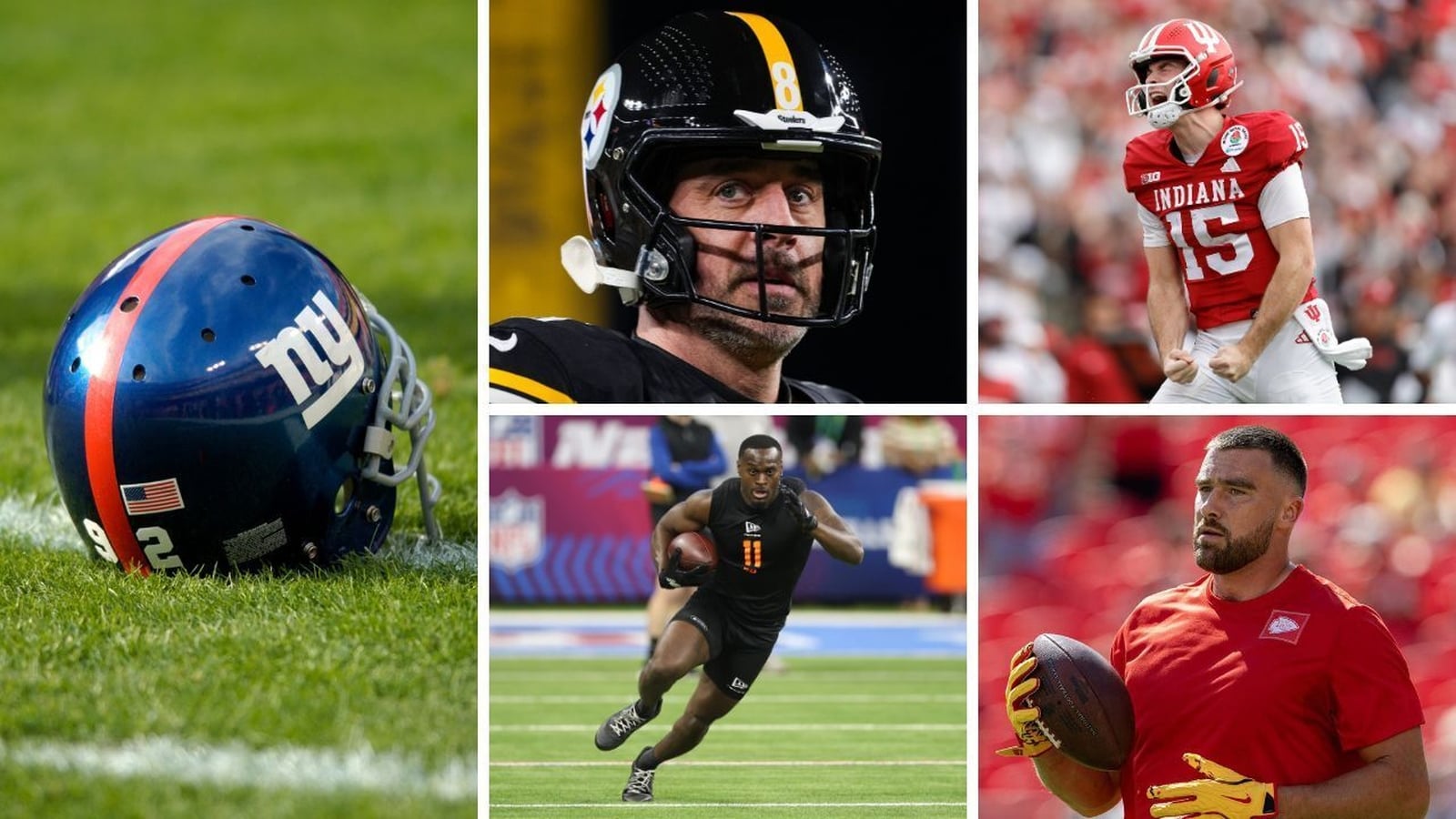
The NFL Draft is scheduled to take place in Pittsburgh, commencing tonight. This event follows the Seattle Seahawks' recent Super Bowl LX victory in Santa Clara. A primary focus for this year's draft includes the highly anticipated selection of quarterback Mendoza, who is widely projected as a top pick. Another significant storyline revolves around the New York teams, specifically the Giants and the Jets, and their respective draft strategies and potential selections.
Trades are expected to be a prominent feature of the draft, as teams look to move up or down the draft order to secure specific players or accumulate additional draft capital. The strategic implications of these trades can significantly alter the landscape of the first round and beyond. These key elements – top prospects like Mendoza, the New York teams' approaches, and the prevalence of trades – form the core narratives driving this year's draft coverage.
Why This Matters
The NFL Draft holds immense significance for several reasons, impacting not only the teams themselves but also the broader sports economy and fan engagement. For franchises, the draft is the primary mechanism for acquiring new talent, particularly cost-controlled young players who can form the core of a competitive roster for years. A successful draft class can elevate a struggling team into a contender, while a series of missteps can prolong periods of mediocrity or decline, directly affecting team valuations and ownership interests.
Economically, the draft generates substantial revenue through media rights, sponsorships, and merchandise sales, contributing to the NFL's multi-billion dollar enterprise. The influx of new talent rejuvenates fan bases, driving ticket sales, viewership figures, and the consumption of sports-related content. Furthermore, the draft provides a crucial pipeline for college athletes to transition into professional careers, offering life-changing financial opportunities and career paths for hundreds of young men each year, influencing their personal and financial futures.
Beyond the immediate impact, the draft shapes the competitive balance of the league. Strategic selections and trades can shift power dynamics, creating new rivalries and altering the playoff picture for upcoming seasons. This constant renewal of talent and strategic maneuvering ensures the league remains dynamic and engaging, maintaining its position as a dominant force in American sports culture and entertainment.
Full Report
The NFL Draft is poised to begin tonight in Pittsburgh, marking a pivotal moment for all 32 franchises just under three months after the Seattle Seahawks secured the Super Bowl LX title in Santa Clara. The event is structured to unfold over three days, with teams meticulously planning their selections and potential trade scenarios. A central figure in this year's draft narrative is quarterback Mendoza, whose exceptional collegiate performance has positioned him as a consensus top-tier prospect, with many analysts predicting he will be one of the first players off the board. His potential landing spot is a subject of intense debate and will significantly impact the trajectory of the team that drafts him.
Attention is also heavily focused on the New York market, specifically the strategies of both the New York Giants and the New York Jets. Both teams hold significant draft capital and have distinct needs, leading to widespread speculation about their potential picks and whether they might engage in trades. The Giants, for instance, might be looking to bolster their offensive line or add playmakers, while the Jets could be targeting defensive talent or another offensive weapon to complement their existing roster. Their decisions will be closely scrutinized by a passionate New York fan base and the broader NFL community.
Trades are anticipated to be a defining characteristic of this year's draft. General managers are known for their willingness to move up to secure a coveted prospect or trade down to accumulate additional selections, thereby increasing their chances of finding future contributors. These negotiations can be complex, often involving multiple draft picks and sometimes even current players, creating a dynamic and unpredictable environment during the event. The strategic implications of these trades extend beyond the immediate draft, influencing team building for several seasons to come.
Beyond Mendoza and the New York teams, other storylines include the depth of talent at various positions, particularly wide receiver and offensive tackle, and how teams will address these areas. The draft also serves as a critical opportunity for teams to fill immediate roster holes, find future starters, and add depth, all while managing salary cap implications and long-term team vision. The choices made tonight and over the weekend will resonate throughout the upcoming NFL season and beyond.
Context & Background
The NFL Draft has evolved from a relatively simple selection process into a major media spectacle and a cornerstone of the league's annual calendar. Historically, the draft was a more localized affair, but with the growth of professional football's popularity, it transformed into a nationally televised event, drawing millions of viewers. This evolution reflects the increasing professionalization of sports scouting and player evaluation, with teams investing heavily in analytics, pro days, and combine performances to inform their decisions.
Prior to the draft, college players undergo a rigorous evaluation process, including the NFL Scouting Combine, individual pro days at their respective universities, and extensive interviews with team personnel. This comprehensive assessment aims to identify not only athletic prowess but also character, intelligence, and adaptability to the professional game. The months leading up to the draft are filled with mock drafts and expert analyses, creating a continuous narrative that builds anticipation for the event itself.
The draft order is determined by the previous season's standings, with the team holding the worst record receiving the first overall pick, a system designed to promote competitive balance. However, this order is frequently altered by trades, as teams strategically position themselves to acquire specific players or gain additional draft capital. This intricate dance of evaluations, projections, and negotiations sets the stage for the drama and excitement that defines each NFL Draft, making it a crucial event for team rebuilding and sustained success.
What to Watch Next
Following the conclusion of the NFL Draft, immediate attention will shift to the integration of the newly drafted players into their respective teams. Rookie mini-camps, typically held in May, will provide the first glimpse of how these prospects perform in a professional setting and begin to learn their team's systems. These camps are crucial for coaches to assess the physical and mental readiness of their new talent.
Subsequently, Organized Team Activities (OTAs) and mandatory mini-camps throughout late spring and early summer will offer further opportunities for rookies to compete alongside veteran players. These sessions are vital for establishing depth charts and identifying potential starters. The performance of key draftees, particularly high-round picks like Mendoza, will be closely monitored, as their early progress will set expectations for the upcoming training camp in late July and the preseason games that follow.
Source Attribution
This report draws on coverage from RTE.
Found this story useful? Share it:
Sources (1)
RTE
"Mendoza, New York and trades - 5 NFL Draft storylines"
April 22, 2026


