Utah Officials Plan Massive Water Release to Support Hydropower Generation Amid Drought Conditions
Structured Editorial Report
This report is based on coverage from Fortune and has been structured for clarity, context, and depth.
Key Points
- Utah plans a massive water release this spring, equivalent to 50,000 toilets flushing, to support hydroelectric power generation.
- The operation aims to maintain electricity supply amidst severe drought conditions and critically low reservoir levels in the region.
- The initiative highlights the complex challenges of balancing water conservation with energy demands in the Western United States.
- This measure underscores the vulnerability of hydroelectric power to climate change and the urgent need for diversified energy solutions.
- The event will have significant implications for energy security, environmental management, and regional water resource allocation.
- Future monitoring will focus on the release's timing, environmental impacts, and subsequent policy discussions on water and energy.
Introduction
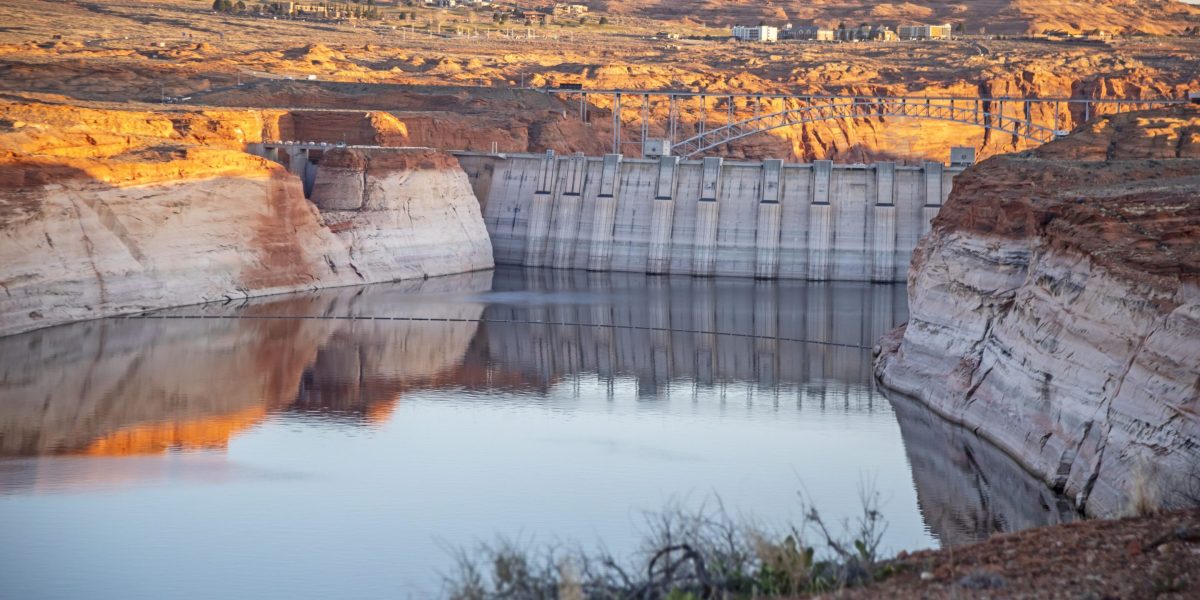
Utah officials are preparing for an unprecedented water release event this spring, equivalent to the continuous flushing of 50,000 toilets, aimed at bolstering electricity generation. This significant operation will involve channeling vast volumes of water through canyons in eastern Utah. The initiative underscores a critical effort to maintain the stability of the state's power supply, particularly as water levels in key reservoirs have reached concerning lows, impacting hydroelectric capabilities. The decision highlights the complex challenges faced by western states in balancing water conservation with energy demands amidst persistent drought conditions.
The scale of this water movement is designed to ensure sufficient flow to power hydroelectric turbines downstream. This proactive measure is a direct response to the diminishing water resources that threaten the operational capacity of vital power infrastructure. The upcoming release is not merely about maintaining current power output but also about safeguarding future energy security in a region heavily reliant on hydroelectric power.
Key Facts
The planned water release in eastern Utah is projected to be equivalent to the continuous flow of 50,000 toilets. This substantial volume of water is intended to support electricity generation, specifically for hydroelectric power plants. The operation is scheduled to commence this spring, indicating a narrow window for intervention before critical energy demands potentially outstrip supply. The primary objective is to maintain adequate water levels and flow rates necessary for the efficient functioning of power-generating turbines. This initiative directly addresses the challenges posed by reduced water availability, which has significantly impacted the region's capacity for hydroelectric power production.
Why This Matters
This planned water release in Utah carries profound implications for energy security, environmental management, and regional resource allocation. The immediate impact is on the stability of the electrical grid, as hydroelectric power constitutes a significant portion of Utah's energy mix. A failure to generate sufficient power could lead to rolling blackouts or increased reliance on more expensive and less sustainable energy sources, directly affecting residents' daily lives and economic activities. Businesses, industries, and households all depend on a reliable power supply, making this intervention crucial for maintaining economic stability and public welfare.
Beyond immediate energy concerns, this situation highlights the escalating pressure on water resources in the American West. The decision to use such a massive volume of water for power generation underscores the dire state of regional water reservoirs, which are being depleted by prolonged drought and increased demand. This creates a complex dilemma: using water for power generation might further strain supplies for agriculture, municipal use, and ecological needs. The broader implications include potential conflicts over water rights, increased costs for water management, and long-term environmental degradation if sustainable solutions are not found.
Furthermore, this event serves as a stark reminder of the interconnectedness of natural resources and infrastructure. The reliance on hydroelectric power, while clean, is vulnerable to climatic shifts and water availability. This necessitates a reevaluation of energy portfolios and investment in diversified, resilient power sources. The choices made today regarding water and energy management in Utah will set precedents for other drought-stricken regions, influencing future policy and resource allocation strategies across the Western United States. The public and private sectors are deeply affected, requiring coordinated efforts to navigate these complex challenges.
Full Report
Officials in Utah are gearing up for an extraordinary measure this spring: a massive water release through the canyons of eastern Utah, specifically designed to sustain hydroelectric power generation. This operation involves moving a volume of water comparable to 50,000 toilets flushing continuously, a testament to the critical state of the region's water resources and energy infrastructure. The primary goal is to ensure that downstream power plants receive sufficient water flow to operate their turbines effectively, thereby preventing potential electricity shortages.
The necessity for such a large-scale intervention stems from persistent drought conditions that have severely depleted water levels in key reservoirs across the state. These reservoirs are vital not only for municipal and agricultural use but also for providing the head pressure required for hydroelectric power generation. As water levels drop, the efficiency and capacity of these power plants diminish, posing a direct threat to the regional power supply.
This proactive strategy aims to mitigate the risk of power outages and ensure continued energy reliability for Utah's residents and industries. The decision reflects a calculated effort to balance immediate energy needs with long-term water conservation challenges. While the exact duration and precise timing of the release will be contingent on environmental factors and operational readiness, the commitment to this measure highlights the urgency of the situation.
The engineering and logistical challenges of orchestrating such a massive water transfer are considerable, requiring careful coordination among various state and federal agencies. Environmental impact assessments and downstream considerations, including potential effects on ecosystems and other water users, are integral to the planning process. The operation underscores the intricate relationship between water management, energy production, and environmental stewardship in the arid Western United States.
Context & Background
The current predicament in Utah is deeply rooted in a prolonged period of drought that has gripped the Western United States for over two decades. This megadrought, exacerbated by climate change, has led to historically low water levels in major river systems and reservoirs, including those critical for Utah's hydroelectric power. Lakes Mead and Powell, key indicators of the region's water health, have seen their levels plummet to unprecedented lows, significantly impacting their capacity to generate power and supply water.
Utah, like many western states, relies heavily on hydroelectric power as a clean and renewable energy source. However, the efficacy of this power generation is directly tied to the availability and flow of water. As snowpacks diminish and precipitation patterns become more erratic, the natural replenishment of these water bodies has been insufficient to meet both ecological and human demands, including energy production.
Previous years have seen various conservation efforts and water management strategies implemented, but the severity of the drought has often outpaced these measures. The decision to undertake such a large-scale water release for electricity generation is a reflection of the escalating crisis, indicating that conventional methods are no longer sufficient to guarantee energy stability. This situation is a culmination of years of environmental stress, population growth, and increasing energy demands, all converging to create a critical resource management challenge.
What to Watch Next
As Utah officials prepare for this significant water release, several key developments will warrant close monitoring. The exact timing and duration of the water flush, which is expected to commence this spring, will be crucial. Observers should watch for official announcements regarding the specific dates and volumes of water to be released, as these details will impact downstream communities and ecosystems. The operational success of the hydroelectric power plants following the release will also be a critical indicator of the measure's effectiveness.
Furthermore, attention should be paid to any immediate or long-term environmental impacts resulting from the massive water transfer. Ecologists and environmental groups will likely be assessing effects on riverine habitats, water quality, and aquatic species. Any subsequent reports or studies on these impacts will provide valuable insights into the broader consequences of such interventions. Policy discussions at both state and federal levels regarding future water allocation, energy diversification, and drought mitigation strategies will also be important to follow, as this event may catalyze new legislative or regulatory actions.
Source Attribution
This report draws on coverage from Fortune.
Found this story useful? Share it:
Sources (1)
Fortune
"Officials will flush 50,000 toilets to flood a Utah lake in order to generate electricity"
April 22, 2026