Mexican President States Military Unaware of CIA Presence in Fatal Accident During Anti-Drug Operation
Structured Editorial Report
This report is based on coverage from CBS News and has been structured for clarity, context, and depth.
Key Points
- Mexican President Claudia Sheinbaum stated the military was unaware of U.S. agents' presence in a fatal car accident.
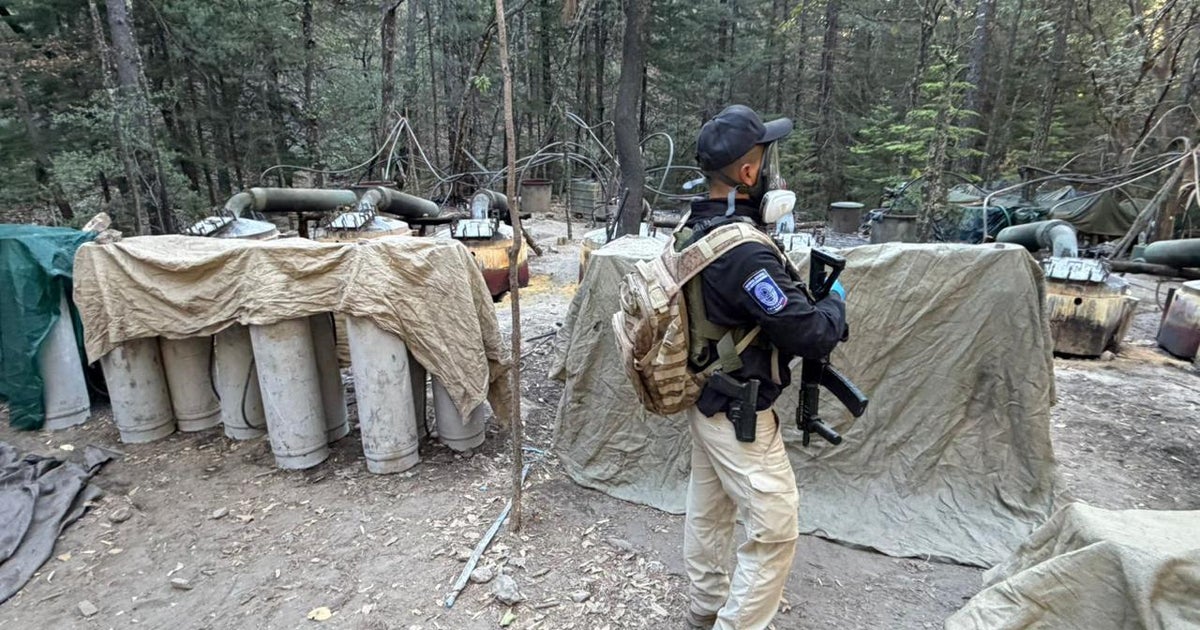
- The U.S. agents died following an anti-drug operation near the border, specifically after a raid on a drug lab.
- The incident highlights potential communication and coordination gaps between U.S. and Mexican security forces.
- The revelation raises questions about national sovereignty and the protocols for foreign intelligence operations in Mexico.
- This event could prompt reviews of intelligence sharing mechanisms and operational integration between the two nations.
Introduction
Mexican President Claudia Sheinbaum announced on Wednesday that the nation's military was not informed about the presence of U.S. agents who tragically died in a car accident. This incident occurred during an anti-drug operation near the border, specifically following a raid on a suspected drug laboratory. The revelation underscores potential communication gaps and coordination challenges between Mexican and U.S. security forces operating within Mexican territory, particularly concerning sensitive intelligence personnel.
The accident, which claimed the lives of U.S. agents, has brought renewed scrutiny to the operational protocols and intelligence sharing mechanisms between the two countries in their joint efforts against drug trafficking. President Sheinbaum's statement emphasizes a significant disconnect regarding the awareness of foreign agents' involvement in domestic security operations, raising questions about oversight and accountability in cross-border anti-narcotics initiatives.
Key Facts
President Claudia Sheinbaum confirmed on Wednesday that the Mexican military was unaware of the U.S. agents' presence. The agents died in a car accident that took place after an anti-drug operation near the border. This operation involved a raid on a suspected drug laboratory, suggesting a high-stakes environment. The incident highlights potential issues in intelligence sharing and operational coordination between the U.S. and Mexican security forces.
Sheinbaum's declaration was made to reporters, indicating a public acknowledgment of the situation. The lack of awareness on the part of the Mexican military regarding foreign agents operating within its borders points to a complex and potentially fragmented approach to bilateral security efforts. The specific details of the anti-drug operation and the circumstances of the accident remain under investigation, but the presidential statement provides a crucial insight into the Mexican government's perspective.
Why This Matters
This incident carries significant implications for the delicate balance of sovereignty and cooperation in the ongoing fight against transnational organized crime. The Mexican military's reported unawareness of U.S. agents operating within its borders during a sensitive anti-drug raid could strain diplomatic relations and undermine trust between two key allies. Effective intelligence sharing and operational transparency are paramount for successful joint security endeavors, and a perceived breakdown in these areas can lead to operational inefficiencies and increased risks for personnel on both sides.
Furthermore, the situation raises critical questions about the legal and jurisdictional frameworks governing foreign intelligence operations within sovereign nations. If U.S. agents were operating without the explicit knowledge or approval of Mexican military command, it could spark domestic political controversy in Mexico regarding national sovereignty and the extent of foreign involvement in internal security matters. For the United States, it underscores the complexities of deploying personnel in foreign territories, particularly in high-risk environments where local coordination is essential for safety and mission success. The incident could prompt a reevaluation of protocols for intelligence sharing and operational integration to prevent future misunderstandings and ensure the safety of all personnel involved in these critical missions.
Full Report
Mexican President Claudia Sheinbaum addressed reporters on Wednesday, stating unequivocally that the Mexican military had no knowledge of the U.S. agents who perished in a car accident following an anti-drug operation. The incident occurred near the U.S.-Mexico border, specifically after a raid on a suspected drug laboratory. This declaration from the highest office in Mexico brings to light a potential significant gap in communication and coordination between the security agencies of both nations, particularly concerning sensitive operations involving foreign personnel on Mexican soil.
The anti-drug operation itself was focused on dismantling a drug laboratory, an activity frequently associated with cartel operations and a priority target for both Mexican and U.S. counter-narcotics efforts. The involvement of U.S. agents, reportedly from the CIA, in such an operation underscores the deep level of engagement the United States maintains in assisting Mexico with its drug war. However, the lack of awareness by the Mexican military, as stated by President Sheinbaum, suggests that this engagement might not always be fully integrated or transparent at all operational levels within Mexico's security apparatus.
The tragic car accident that claimed the lives of these U.S. agents occurred in the aftermath of the raid, though specific details regarding the circumstances of the crash, such as its exact location, time, and contributing factors, have not been fully disclosed in the provided information. The focus of President Sheinbaum's statement was primarily on the Mexican military's lack of prior knowledge regarding the agents' presence, rather than the specifics of the accident itself. This emphasis points to a governmental concern about jurisdictional oversight and the operational independence of foreign entities within Mexican territory.
This incident is likely to prompt internal reviews within both Mexican and U.S. security and intelligence agencies. For Mexico, it raises questions about the command and control structure, and how information regarding foreign intelligence support is disseminated and coordinated across different branches of its military and law enforcement. For the U.S., it may necessitate a reevaluation of how its agents operate in foreign countries, particularly regarding the protocols for informing and coordinating with host nation security forces to ensure both operational effectiveness and the safety of its personnel.
Context & Background
The U.S. and Mexico share a long and complex history of cooperation and tension in the fight against drug trafficking. For decades, the two nations have engaged in various forms of collaboration, from intelligence sharing and training to joint operations, primarily aimed at disrupting drug cartels and stemming the flow of illicit narcotics across their shared border. This partnership has often been characterized by differing priorities, operational sensitivities, and occasional diplomatic friction, particularly concerning issues of sovereignty and the presence of foreign agents.
U.S. intelligence agencies, including the CIA, have historically maintained a presence in Mexico, providing support, intelligence, and sometimes direct involvement in counter-narcotics efforts. These operations are typically conducted under bilateral agreements and memoranda of understanding, which are designed to delineate roles, responsibilities, and protocols for information sharing. However, the operational realities on the ground can often be more nuanced, with varying levels of coordination and transparency depending on the specific agencies involved and the political climate.
The current political landscape in Mexico, under President Sheinbaum, follows a period where previous administrations have also navigated the complexities of U.S. security assistance. There have been instances where the extent of U.S. involvement has been a point of contention within Mexico, with some political factions advocating for stricter controls over foreign operations to protect national sovereignty. This incident, therefore, is not an isolated event but rather fits into a broader pattern of ongoing discussions and adjustments in the bilateral security relationship, highlighting the persistent challenges in achieving seamless integration and full transparency in such sensitive cross-border endeavors.
What to Watch Next
Moving forward, observers should monitor the official investigations launched by both Mexican and U.S. authorities into the circumstances surrounding the fatal car accident and, crucially, the communication breakdown. Any joint statements or detailed reports from either government regarding the findings of these investigations will be critical in understanding the full scope of the incident and identifying accountability. Attention will also be on potential policy adjustments or new agreements that might emerge to formalize or clarify protocols for U.S. intelligence presence and operations within Mexico.
Furthermore, diplomatic exchanges between Washington D.C. and Mexico City will be key indicators of the incident's impact on bilateral relations. Any high-level meetings or public comments from U.S. officials regarding the incident, particularly concerning the future of intelligence cooperation, should be closely watched. The Mexican government may face domestic pressure to assert greater control over foreign security operations, potentially leading to new legislative or executive directives that could alter the operational environment for U.S. agents in the country. The long-term implications for the Merida Initiative or any successor security cooperation frameworks will also be a significant development to follow.
Source Attribution
This report draws on coverage from CBS News.
Found this story useful? Share it:
Sources (1)
CBS News
"Mexico's military unaware of presence of CIA agents who died in crash following drug lab raid, president says"
April 22, 2026