
Analysis Explores Utility and Necessity of Spark Plug Testers for Vehicle Maintenance
Structured Editorial Report
This report is based on coverage from Jalopnik and has been structured for clarity, context, and depth.
Key Points
- Spark plug testers, from simple inline devices to more advanced bench testers, confirm the presence and quality of an electrical spark.
- Inline testers provide basic spark presence confirmation but do not assess spark intensity or consistency under engine load.
- Modern vehicles with OBD-II systems often use diagnostic trouble codes (DTCs) to pinpoint misfires, reducing reliance on manual spark testing.
- Visual inspection of spark plugs for wear, fouling, or damage remains a crucial and often sufficient diagnostic method.
- The necessity of spark plug testers has evolved with vehicle technology, becoming more specialized as OBD-II scanners gain prominence.
- Future diagnostic trends, including AI and non-invasive testing, may further alter the role of traditional spark plug testing tools.
Introduction
Vehicle maintenance often involves diagnosing issues with critical components, and spark plugs are fundamental to an internal combustion engine's operation. While various tools exist for assessing spark plug function, their actual necessity for the average vehicle owner or even some professional mechanics is a subject of ongoing discussion. This report delves into the different types of spark plug testers available, their operational principles, and the contexts in which they prove most useful, aiming to clarify whether these devices are an indispensable part of a diagnostic toolkit or a specialized instrument for particular scenarios.
The core function of a spark plug is to ignite the air-fuel mixture within the engine's cylinders, a process vital for combustion. A malfunctioning spark plug can lead to misfires, reduced fuel efficiency, and overall diminished engine performance. Consequently, ensuring their proper operation is a key aspect of vehicle upkeep. This article will explore the practical applications and limitations of spark plug testers, providing a comprehensive overview for both automotive enthusiasts and those seeking to understand modern vehicle diagnostics.
Key Facts
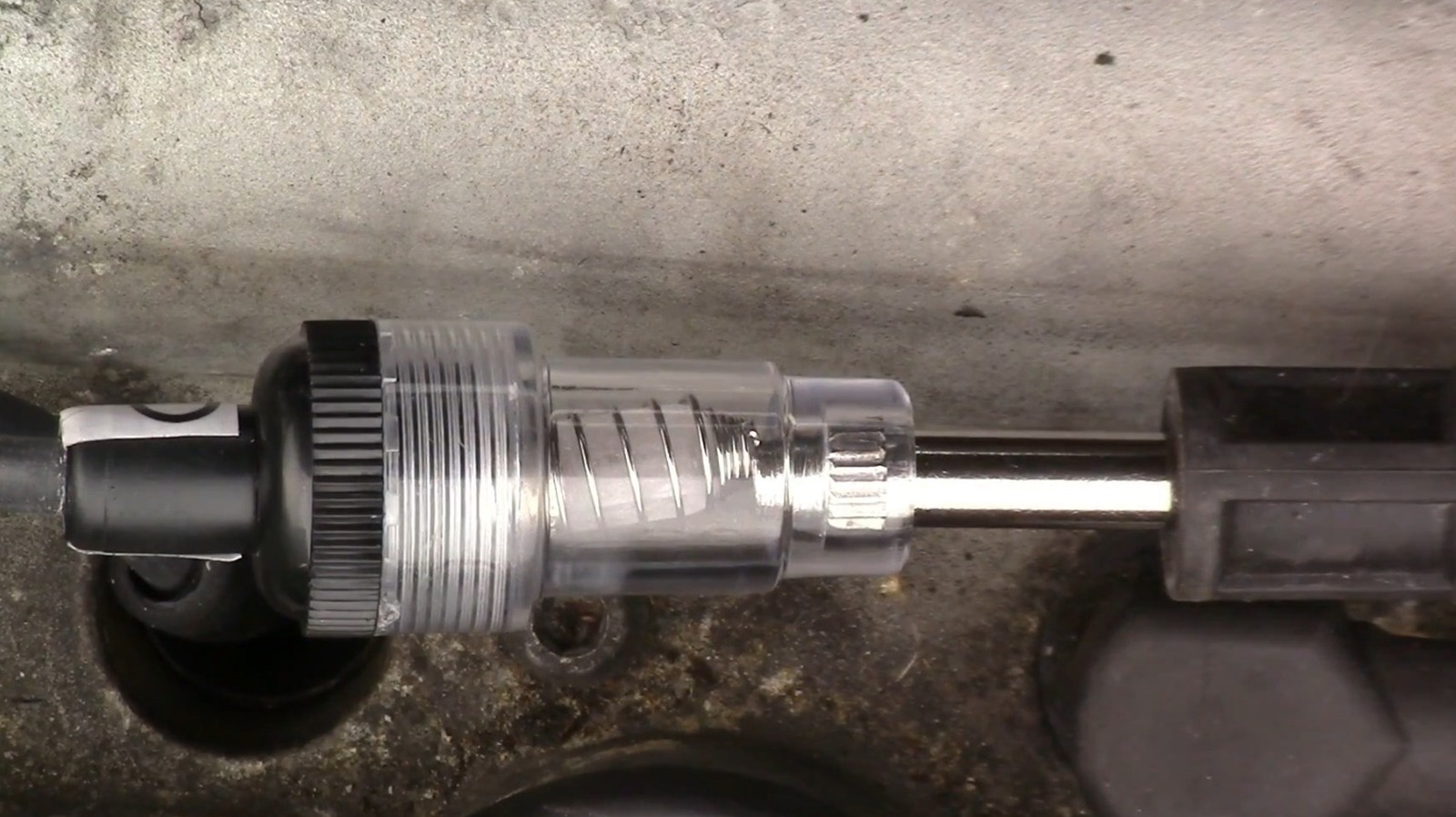
Spark plug testers come in several forms, with the inline tester being the simplest and most common. This device connects between the spark plug and its power source (coil pack or cable) and typically features a bulb or LED that illuminates if a spark is successfully generated when the engine is cranked. Another type is the in-cylinder compression tester, which measures the pressure within a cylinder, indirectly indicating spark plug health by confirming proper engine function.
More advanced testers exist, including those that can simulate engine conditions to test spark plugs outside the engine, often displaying the spark's intensity and consistency. These tools are designed to provide a more detailed assessment than basic inline testers. The utility of any tester largely depends on the specific diagnostic task and the user's level of expertise, ranging from a quick check for spark presence to a comprehensive analysis of ignition system integrity.
Why This Matters
The question of whether spark plug testers are necessary extends beyond mere convenience; it touches upon economic efficiency, diagnostic accuracy, and environmental impact. For vehicle owners, understanding the utility of these tools can prevent unnecessary expenses on parts or professional services. If a simple inline tester can confirm a lack of spark, it directs troubleshooting efforts efficiently, potentially saving time and money on more complex diagnostics.
From a broader perspective, accurate and timely diagnosis of ignition system issues contributes to better fuel economy and reduced emissions. A misfiring engine not only consumes more fuel but also releases higher levels of pollutants. Therefore, effective tools that aid in identifying and resolving spark plug problems support both individual financial well-being and collective environmental health. The proliferation of advanced vehicle technologies also means that traditional diagnostic methods are evolving, making it crucial to assess the continued relevance of specialized tools like spark plug testers in a rapidly changing automotive landscape.
Full Report
The simplest spark plug tester, an inline device, operates by being placed in the ignition circuit. One end attaches to the spark plug, and the other connects to the coil pack or ignition cable. When the engine is cranked, if the spark plug is firing correctly, a visible light or spark will be generated within the tester. This immediate visual feedback confirms the presence of an electrical spark, indicating that the ignition coil and associated wiring are delivering power to the plug.
While effective for confirming spark presence, inline testers do not provide information on the spark's quality, intensity, or consistency under load. For instance, a weak spark might still illuminate the tester but could fail to ignite the air-fuel mixture efficiently within the engine. More sophisticated bench testers can simulate engine conditions, allowing mechanics to observe the spark's characteristics, such as its color and strength, which can be indicative of the plug's overall health and potential issues like fouling or excessive gap.
However, in many modern vehicles, especially those with individual coil-on-plug ignition systems, a simple inline tester might be less practical or even misleading. The engine control unit (ECU) in these vehicles constantly monitors misfires, and a diagnostic trouble code (DTC) will often be stored, indicating which cylinder is experiencing issues. In such cases, an OBD-II scanner can often pinpoint the problem cylinder more efficiently than manually testing each spark plug.
Furthermore, a common method for diagnosing spark plug issues involves simply removing the plug and visually inspecting it for signs of wear, fouling, or damage. The color and condition of the electrode and insulator can reveal much about the engine's combustion process, including fuel mixture richness/leaness, oil burning, or carbon buildup. This visual inspection, combined with an OBD-II scanner's data, often provides sufficient information for diagnosis without needing a dedicated spark plug tester.
Context & Background
The evolution of automotive ignition systems has significantly influenced diagnostic practices. Early vehicles with distributor-based ignition systems often required more hands-on testing, as misfires were harder to pinpoint without dedicated tools. The advent of electronic ignition and subsequently, individual coil-on-plug systems, revolutionized how engines are managed and diagnosed. These advancements led to more precise spark timing and energy, but also introduced new complexities in troubleshooting.
Before the widespread adoption of OBD-II (On-Board Diagnostics, second generation) systems in the mid-1990s, mechanics relied heavily on specialized tools and their experience to diagnose engine problems. Spark plug testers were among these essential tools, providing a direct way to observe ignition events. However, with OBD-II, vehicles became capable of self-diagnosing many issues and reporting them via standardized diagnostic trouble codes, accessible through a simple scanner.
This shift means that while spark plug testers still have their place, particularly for older vehicles or specific diagnostic scenarios where an OBD-II scanner might not provide sufficient detail (e.g., confirming spark presence when no misfire code is thrown), their role has become more specialized. Modern diagnostic approaches often prioritize reading DTCs, analyzing live data streams from the ECU, and then performing targeted physical inspections or tests based on that initial electronic diagnosis.
What to Watch Next
As vehicle technology continues to advance, particularly with the increasing prevalence of electric and hybrid vehicles, the role of traditional internal combustion engine diagnostic tools will further evolve. Future developments in engine management systems may incorporate even more sophisticated self-diagnostic capabilities, potentially rendering basic inline spark plug testers obsolete for mainstream applications. Technicians and DIY enthusiasts should monitor advancements in OBD-III or future diagnostic protocols, which promise even more comprehensive real-time monitoring and remote diagnostic capabilities.
Attention should also be paid to the integration of artificial intelligence and machine learning into automotive diagnostics. These technologies could predict potential spark plug failures based on engine performance data before they lead to noticeable symptoms or misfire codes. Furthermore, the development of more specialized, non-invasive diagnostic tools that can assess spark plug health without removal or direct electrical intervention could emerge, offering safer and more efficient testing methods for complex engine designs.
Source Attribution
This report draws on coverage from Jalopnik, specifically their article titled "Are Spark Plug Testers Even Remotely Necessary?" for foundational information regarding spark plug testers and their applications.
Found this story useful? Share it:
Sources (1)
Jalopnik
"Are Spark Plug Testers Even Remotely Necessary?"
April 18, 2026