
Automotive Experts Discuss Utility and Necessity of Spark Plug Testers for Engine Diagnostics
Structured Editorial Report
This report is based on coverage from Jalopnik and has been structured for clarity, context, and depth.
Key Points
- Spark plug testers, from simple inline to advanced bench units, verify spark presence and quality in ignition systems.
- These tools are crucial for diagnosing engine misfires and other ignition-related performance issues efficiently.
- Inline testers provide quick spark confirmation, while advanced testers simulate engine conditions for thorough evaluation.
- Their necessity is debated against modern OBD-II systems and oscilloscopes but remains valuable for quick checks and older vehicles.
- Effective use of testers can reduce diagnostic time and prevent unnecessary replacement of costly ignition components.
- Future automotive advancements, including AI diagnostics and EV growth, may reshape the role of traditional spark plug testing.
Introduction
In the realm of automotive maintenance and diagnostics, the utility of spark plug testers has become a topic of discussion among mechanics and vehicle owners. These devices, ranging from simple inline testers to more sophisticated units, are designed to assess the functionality of a vehicle's ignition system by verifying if spark plugs are generating a proper spark. While their role in pinpointing ignition issues is acknowledged, the extent of their necessity in a modern diagnostic workflow, especially with advancements in vehicle technology, warrants a closer examination.
The core function of a spark plug tester is to confirm the presence and quality of an electrical spark, which is crucial for engine combustion. A malfunctioning spark plug can lead to various engine performance problems, including misfires, reduced fuel efficiency, and increased emissions. Understanding the different types of testers available and their practical applications is key to determining their value in contemporary vehicle repair and maintenance practices.
Key Facts
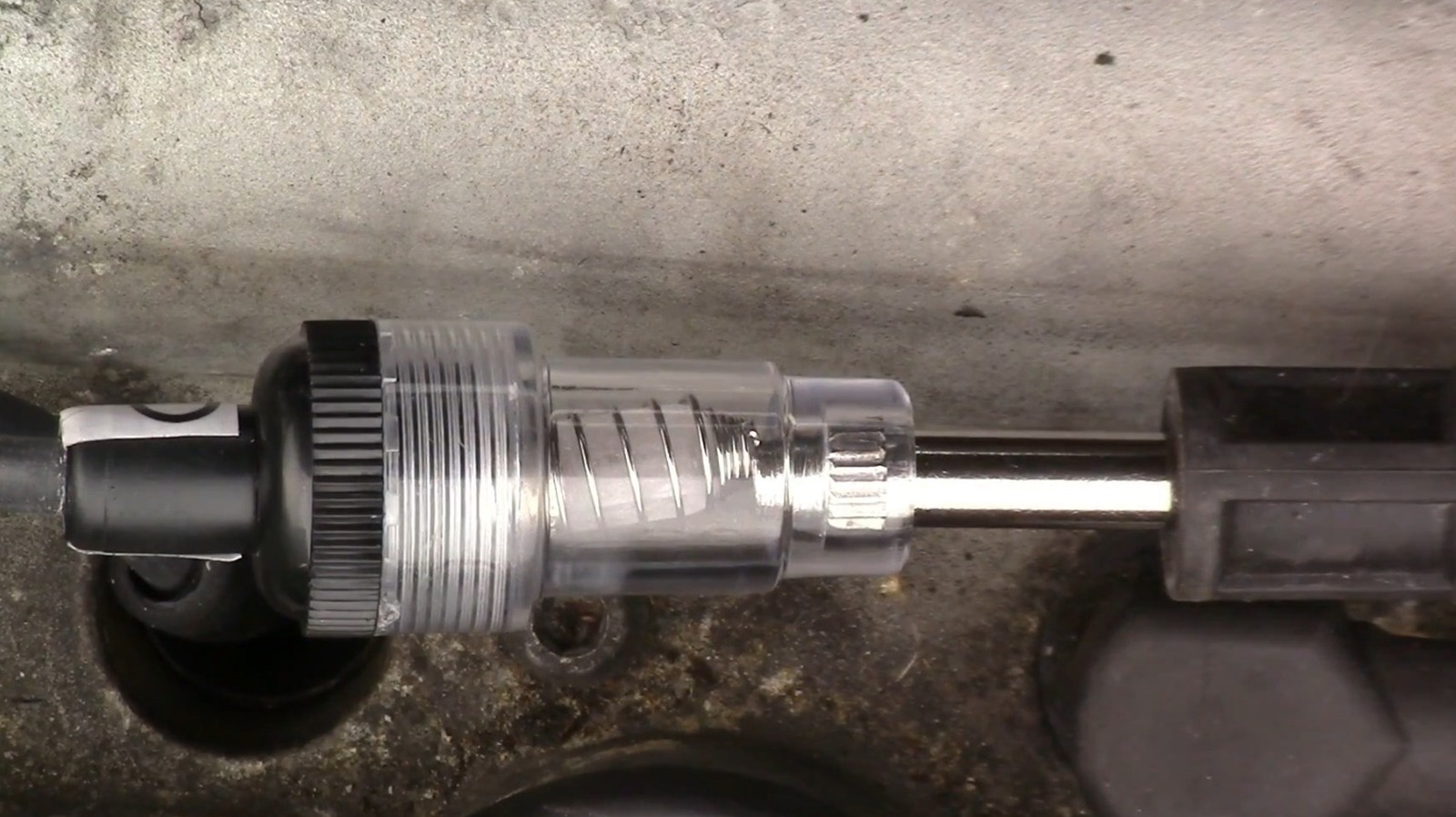
Spark plug testers are broadly categorized into several types, with the most basic being the inline tester. This device connects between the spark plug and its power source (coil pack or cable) and illuminates a bulb or LED if a spark is detected when the engine is cranked. More advanced testers include those that can simulate engine compression, allowing for a more accurate assessment of spark under load conditions, and units that test spark plugs out of the engine using a dedicated power source.
The primary purpose of these tools is to diagnose ignition system failures. If an engine is experiencing a misfire, a spark plug tester can quickly confirm whether a specific cylinder is failing to produce a spark. This immediate feedback helps narrow down the potential causes of an engine issue, distinguishing between a faulty spark plug, a problem with the ignition coil, or wiring issues, without requiring extensive disassembly of the engine.
Why This Matters
The discussion surrounding spark plug testers holds significant implications for both professional mechanics and DIY enthusiasts. For mechanics, efficient diagnostic tools translate directly into reduced labor times and more accurate repairs, enhancing customer satisfaction and workshop profitability. The ability to quickly isolate an ignition problem can prevent unnecessary replacement of expensive components, such as entire coil packs, when only a single spark plug or wire is at fault.
For vehicle owners, understanding the function and limitations of these testers can empower them to perform basic diagnostics, potentially saving money on professional diagnostic fees. It also helps in making informed decisions about vehicle maintenance, ensuring that problems are addressed promptly before they escalate into more severe and costly repairs. In an era where vehicle systems are increasingly complex, simple, effective diagnostic tools like spark plug testers retain their relevance by providing foundational insights into engine health, impacting vehicle reliability and longevity.
Full Report
The simplest form of spark plug tester, the inline tester, operates by being placed directly in the electrical path to the spark plug. When the engine is cranked, if electricity flows and creates a spark, the tester indicates this visually, typically with a flashing light. This method is effective for quickly identifying if a spark is reaching the plug. However, it does not assess the quality or strength of the spark, nor does it simulate the high-pressure environment inside an engine cylinder, where a weak spark might fail to ignite the air-fuel mixture.
More comprehensive testers are available that allow for out-of-engine testing. These devices often include features to adjust the spark gap and sometimes even simulate varying compression levels, providing a more rigorous test of the spark plug's performance. Such testers can reveal issues like carbon fouling or electrode wear that might not be apparent with a simple inline check, as these conditions can impede spark generation under operational pressures.
While spark plug testers are valuable for diagnosing ignition system faults, their necessity is often weighed against other diagnostic methods. Modern vehicles are equipped with sophisticated engine control units (ECUs) that can log misfire codes, providing specific information about which cylinder is failing. This data, combined with oscilloscopes that can analyze ignition waveforms, offers a more detailed diagnostic picture than a simple spark presence test. Nonetheless, for a quick, on-the-spot verification, especially in older vehicles or when more advanced tools are unavailable, spark plug testers remain a practical option.
The choice of tester depends on the specific diagnostic need and the resources available. For basic troubleshooting, an inline tester offers a cost-effective and straightforward solution. For more in-depth analysis or for testing spark plugs prior to installation, a bench-top tester capable of simulating engine conditions provides a more thorough evaluation of the spark plug's integrity and performance.
Context & Background
The concept of testing spark plugs dates back to the early days of internal combustion engines, where ignition systems were relatively simple and spark plug failures were common. Early diagnostic methods often involved physically removing the spark plug and observing the spark while cranking the engine, a method that carried risks and was not always reliable. The development of dedicated spark plug testers aimed to make this process safer, more efficient, and more accurate.
Over the decades, as ignition systems evolved from distributor-based systems to coil-on-plug designs, the methods for testing spark plugs also adapted. The core principle, however, remained the same: verifying the presence and quality of the spark. The increasing complexity of modern engines, with their integrated electronic controls and precise timing, has led to a greater reliance on onboard diagnostics (OBD-II systems) and specialized scan tools. Despite these advancements, the fundamental need to confirm spark plug function persists, positioning spark plug testers as foundational tools in the automotive repair toolkit, complementing newer technologies rather than being entirely superseded by them.
What to Watch Next
As automotive technology continues its rapid evolution, particularly with the rise of electric vehicles and increasingly complex hybrid systems, the role of traditional diagnostic tools like spark plug testers may further shift. Industry observers will be monitoring how manufacturers integrate diagnostic capabilities directly into vehicle systems, potentially reducing the need for standalone physical testers for certain components. Additionally, advancements in artificial intelligence and machine learning applied to vehicle diagnostics could offer predictive maintenance insights, preempting spark plug failures before they occur.
For internal combustion engine vehicles, ongoing developments in spark plug design, such as longer-lasting materials and multi-electrode configurations, could alter the frequency and nature of spark plug testing. The aftermarket tool industry will likely continue to innovate, offering more sophisticated and integrated diagnostic solutions that combine traditional testing capabilities with digital data analysis, catering to both professional technicians and the growing segment of advanced DIYers.
Source Attribution
This report draws on coverage from Jalopnik regarding the utility and necessity of spark plug testers in automotive diagnostics.
Found this story useful? Share it:
Sources (1)
Jalopnik
"Are Spark Plug Testers Even Remotely Necessary?"
April 18, 2026