
CNN Analyst Brian Stelter Examines Trump's Strategic Approach to Joe Rogan Versus Other MAGA Influencers
Structured Editorial Report
This report is based on coverage from HuffPost and has been structured for clarity, context, and depth.
Key Points
- CNN analyst Brian Stelter noted former President Trump's friendly stance with podcaster Joe Rogan, despite Rogan's criticisms.
- Trump's approach to Rogan contrasted with his attacks on other critical MAGA influencers, indicating a strategic differentiation.
- Stelter suggests Trump valued Rogan's vast, diverse audience, which transcends traditional political divides.
- This strategy highlights a pragmatic approach to media engagement, prioritizing reach and influence over strict ideological alignment.
- The analysis underscores the evolving role of independent media figures like Rogan in contemporary political communication.
- Future political campaigns may adopt similar nuanced strategies to engage with non-traditional media platforms and their audiences.
Introduction
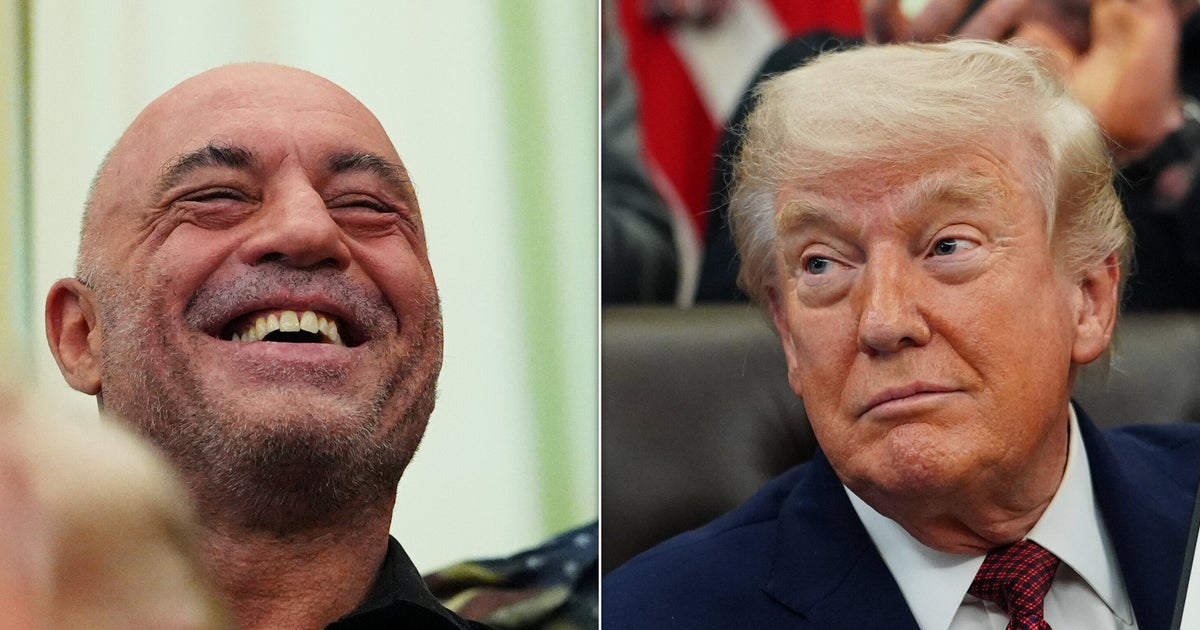
Brian Stelter, CNN's chief media analyst, has offered an explanation for former President Donald Trump's perceived dichotomy in his interactions with public figures. Stelter suggests that Trump maintained a cordial relationship with podcaster Joe Rogan, despite Rogan's occasional criticisms, while simultaneously launching attacks against other prominent figures within the Make America Great Again (MAGA) movement who also voiced dissent. This observation highlights a nuanced approach by Trump to media personalities and political allies, indicating a strategic calculation behind his public engagements.
The analysis delves into the underlying motivations for Trump's selective engagement, particularly focusing on the unique position Rogan occupies within the media landscape. Unlike traditional political commentators or staunch MAGA loyalists, Rogan commands a vast, diverse audience that transcends conventional political divides. Stelter's commentary points to a deliberate strategy by Trump to leverage or neutralize influential voices based on their reach and potential impact, rather than solely on their unwavering allegiance or criticism.
Key Facts
CNN's chief media analyst, Brian Stelter, identified a distinct pattern in former President Donald Trump's public relations strategy. Stelter noted that Trump consistently remained friendly with popular podcaster Joe Rogan, even when Rogan expressed critical views. Conversely, Trump reportedly attacked other influencers within the MAGA movement who also voiced criticisms, suggesting a differential treatment based on specific criteria.
This observation from Stelter underscores a strategic differentiation in Trump's handling of public figures. The core of Stelter's argument is that Trump's approach to Rogan was not arbitrary but rather a calculated move to maintain access to or influence over Rogan's significant and ideologically diverse audience. The contrast with how other MAGA critics were treated highlights a deliberate and selective engagement strategy.
Why This Matters
This analysis by Brian Stelter is significant because it sheds light on the sophisticated and often counter-intuitive media strategies employed by high-profile political figures like former President Trump. Understanding these dynamics is crucial for deciphering how political narratives are shaped and disseminated in an increasingly fragmented media environment. It demonstrates that political engagement is not always about ideological alignment but can be heavily influenced by reach, audience demographics, and perceived utility.
For the public, this insight is vital for media literacy. It encourages a deeper examination of why certain figures are elevated or attacked, moving beyond simplistic interpretations of political loyalty or opposition. It reveals that even within a seemingly unified political movement, there are internal power dynamics and strategic considerations that dictate public interactions. This understanding helps citizens critically evaluate political messaging and the relationships between politicians and influential media personalities.
The broader implications extend to the future of political communication and the role of non-traditional media. As podcasts and independent content creators gain immense influence, politicians are adapting their strategies to engage with these new gatekeepers of public opinion. Trump's approach to Rogan, as analyzed by Stelter, serves as a case study in how political figures navigate this evolving landscape, prioritizing access to broad, engaged audiences over strict ideological purity or unwavering support from all allies. This trend suggests a continued shift in how political messaging is crafted and delivered, with significant ramifications for electoral politics and public discourse.
Full Report
Brian Stelter, a prominent voice in media analysis, articulated his perspective on what he perceives as a calculated approach by former President Donald Trump towards different media personalities. Stelter's central argument posits that Trump deliberately maintained a friendly stance with Joe Rogan, the host of the widely popular podcast "The Joe Rogan Experience," even in instances where Rogan expressed critical opinions regarding Trump or his policies. This contrasts sharply, according to Stelter, with Trump's public attacks on other influencers who are generally aligned with the MAGA movement but who also voiced criticisms.
Stelter's explanation hinges on the unique nature of Rogan's platform. "The Joe Rogan Experience" boasts an enormous and diverse listenership that spans various political spectrums, including many who do not typically consume traditional news media. This broad appeal, Stelter suggests, makes Rogan an invaluable, albeit sometimes unpredictable, conduit for reaching a segment of the population that might otherwise be inaccessible through conventional political channels. Trump's strategy, therefore, would be to avoid alienating this influential figure and, by extension, his vast audience, even if it meant tolerating occasional dissent.
The CNN analyst highlighted that Trump's treatment of other MAGA-aligned figures who deviated from the party line was markedly different. These individuals, often more directly involved in political activism or traditional conservative media, faced swift and often harsh public condemnation from Trump. Stelter implied that for these figures, Trump expected unwavering loyalty, and any criticism was met with a punitive response. This distinction underscores a strategic calculus where the perceived value of an influencer's reach and independence dictated the nature of Trump's engagement.
This selective engagement strategy reflects a sophisticated understanding of media influence and audience segmentation. By maintaining a relationship with Rogan, Trump could potentially benefit from the podcaster's massive platform without necessarily endorsing all of Rogan's views or expecting complete ideological alignment. It suggests a pragmatic approach to media relations, prioritizing access and potential influence over strict adherence to a political narrative, particularly when dealing with figures who operate outside the conventional political echo chamber.
Context & Background
To fully appreciate Brian Stelter's analysis, it is essential to understand the broader context of Donald Trump's relationship with media and his strategic use of public platforms. Throughout his political career, Trump has demonstrated a distinctive and often unconventional approach to media engagement, frequently bypassing traditional news outlets in favor of direct communication channels like social media and, increasingly, podcasts. This strategy allowed him to control his message and appeal directly to his base, often framing mainstream media as biased or 'fake news.'
Joe Rogan, on the other hand, built his media empire outside the traditional structures, cultivating a reputation for long-form, unedited conversations with a wide array of guests, from scientists and comedians to politicians and controversial figures. His appeal lies in his perceived authenticity and willingness to explore diverse viewpoints, which has garnered him an audience unparalleled in size and demographic breadth. This independent status, coupled with his massive reach, positions Rogan as a unique and powerful voice in contemporary media, distinct from partisan commentators or political operatives.
Prior to Stelter's observations, there have been numerous instances where Trump has publicly praised or criticized media figures, political allies, and even former members of his administration based on their perceived loyalty or opposition. This history establishes a pattern of transactional relationships, where support is rewarded and dissent is often met with public rebuke. Stelter's analysis specifically highlights how Rogan, despite not being an unwavering supporter, managed to avoid the typical backlash, suggesting a strategic exception to Trump's usual modus operandi.
What to Watch Next
Moving forward, observers will be keen to see if this pattern of selective engagement continues to define political figures' interactions with influential independent media personalities. As the 2024 election cycle progresses, the role of platforms like "The Joe Rogan Experience" in shaping public opinion will be a critical area of focus. Political campaigns are likely to refine their strategies for engaging with non-traditional media, potentially mirroring Trump's nuanced approach to Rogan.
Specific attention should be paid to how other high-profile politicians, across the political spectrum, choose to interact with podcasters and independent content creators who command large, diverse audiences. Will they attempt to cultivate relationships despite ideological differences, or will they adhere to more conventional, partisan media strategies? The evolving landscape of political communication will be a continuous point of analysis, particularly as digital platforms continue to fragment and diversify news consumption habits.
Source Attribution
This report draws on coverage from HuffPost, which detailed CNN analyst Brian Stelter's observations regarding former President Donald Trump's interactions with Joe Rogan and other MAGA influencers.
Found this story useful? Share it:
Sources (1)
HuffPost
"CNN Analyst Says This Is Why Trump Keeps Joe Rogan ‘Close,’ But Attacks Other MAGA Influencers"
April 18, 2026