
Zimbabwean Stone Birds Return Home After 137 Years Following Exchange Deal
AI-Summarized Article
ClearWire's AI summarized this story from BBC News into a neutral, comprehensive article.
Key Points
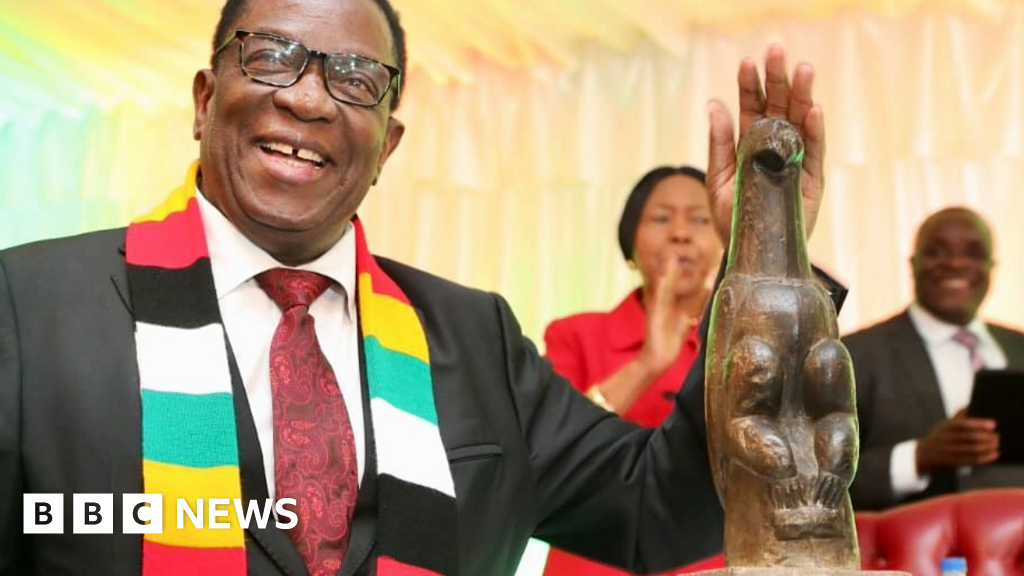
- Four Zimbabwean stone bird sculptures have returned to Zimbabwe after 137 years, completing their repatriation.
- Their return was facilitated by a unique 1981 agreement with apartheid South Africa, exchanging the birds for insects.
- The birds are iconic symbols of Zimbabwean heritage, originally looted from the Great Zimbabwe ancient city.
- Other birds were previously returned by Germany (2003) and Britain (1981), marking a gradual repatriation process.
- The return signifies a major cultural victory for Zimbabwe, restoring national pride and historical connection.
- This event highlights the global movement for artifact repatriation and addressing colonial-era injustices.
Overview
Four iconic Zimbabwean stone bird sculptures, held in a South African museum, have finally returned to Zimbabwe after 137 years. Their repatriation was part of a unique 1981 agreement where South Africa's apartheid government exchanged the birds for a substantial collection of insects. This exchange marked a significant moment in the cultural heritage of Zimbabwe, bringing these historically and symbolically important artifacts back to their country of origin. The birds are now considered to be fully reunited with their cultural home, concluding a long-standing saga of their displacement.
Background & Context
The stone birds, believed to represent ancestral spirits and symbols of royalty, were originally looted from the ancient city of Great Zimbabwe, a UNESCO World Heritage site. Their removal occurred during the colonial era, with Cecil Rhodes reportedly taking several of them in the late 19th century. These artifacts hold immense cultural and spiritual significance for the people of Zimbabwe, embodying their history and identity. The journey to reclaim these birds has been a sustained effort by the Zimbabwean government and cultural institutions over many decades.
The 1981 agreement with apartheid South Africa was a pivotal moment in this repatriation process. The exchange involved South Africa releasing the four birds it possessed in return for a large collection of bees, wasps, and ants. This unusual transaction highlights the complex and often unconventional methods employed in the restitution of cultural artifacts, particularly during politically charged periods in Southern African history.
Key Developments
While the 1981 exchange secured the return of four birds from South Africa, other Zimbabwean birds had been previously returned or were located elsewhere. One bird was returned by Germany in 2003, and another was sent back by Britain in 1981. These piecemeal returns underscore the fragmented nature of colonial-era looting and the subsequent challenges in fully reuniting dispersed cultural heritage. The recent development signifies the completion of the repatriation efforts for these specific iconic sculptures.
The artifacts are now housed in Zimbabwean institutions, ensuring their preservation and accessibility to the nation's people. Their return is not merely a physical transfer but a symbolic restoration of national pride and cultural integrity. This event adds to a growing global movement for the repatriation of cultural artifacts to their countries of origin, addressing historical injustices and promoting cultural self-determination.
Perspectives
The return of the birds is widely celebrated in Zimbabwe as a triumph for cultural heritage and national identity. It reinforces the importance of reclaiming artifacts that were taken during colonial rule, allowing communities to reconnect with their past. For many, these sculptures are more than just objects; they are living symbols of the nation's history and spiritual connection. The successful repatriation sets a precedent and encourages further efforts in the restitution of other African artifacts held in foreign museums.
What to Watch
Future developments may include increased international pressure on other museums and private collectors to return African artifacts. Zimbabwe's success could inspire similar repatriation campaigns across the continent. Additionally, there may be further initiatives to educate the public about the history and significance of these returned artifacts, integrating them more deeply into national narratives and educational curricula.
Found this story useful? Share it:
Sources (1)
BBC News
"Zimbabwe Birds: The iconic stone sculptures are all finally home after 137 years"
April 17, 2026