
German Rescuers Initiate Operation to Save Stranded Humpback Whale Off Baltic Coast
AI-Summarized Article
ClearWire's AI summarized this story from Abcnews.com into a neutral, comprehensive article.
Key Points
- German rescuers initiated an operation to save a sick humpback whale repeatedly stranded off the Baltic Sea coast.
- The rescue plan involves using specialized air cushions to aid in moving and potentially re-floating the large marine mammal.
- The whale, nicknamed 'Timmy' by some, has drawn significant public attention due to its unusual presence and poor health.
- The operation, which began Thursday, is a collaborative effort involving various experts and resources.
- The humpback's repeated strandings suggest underlying health issues, requiring careful assessment and intervention.
Overview
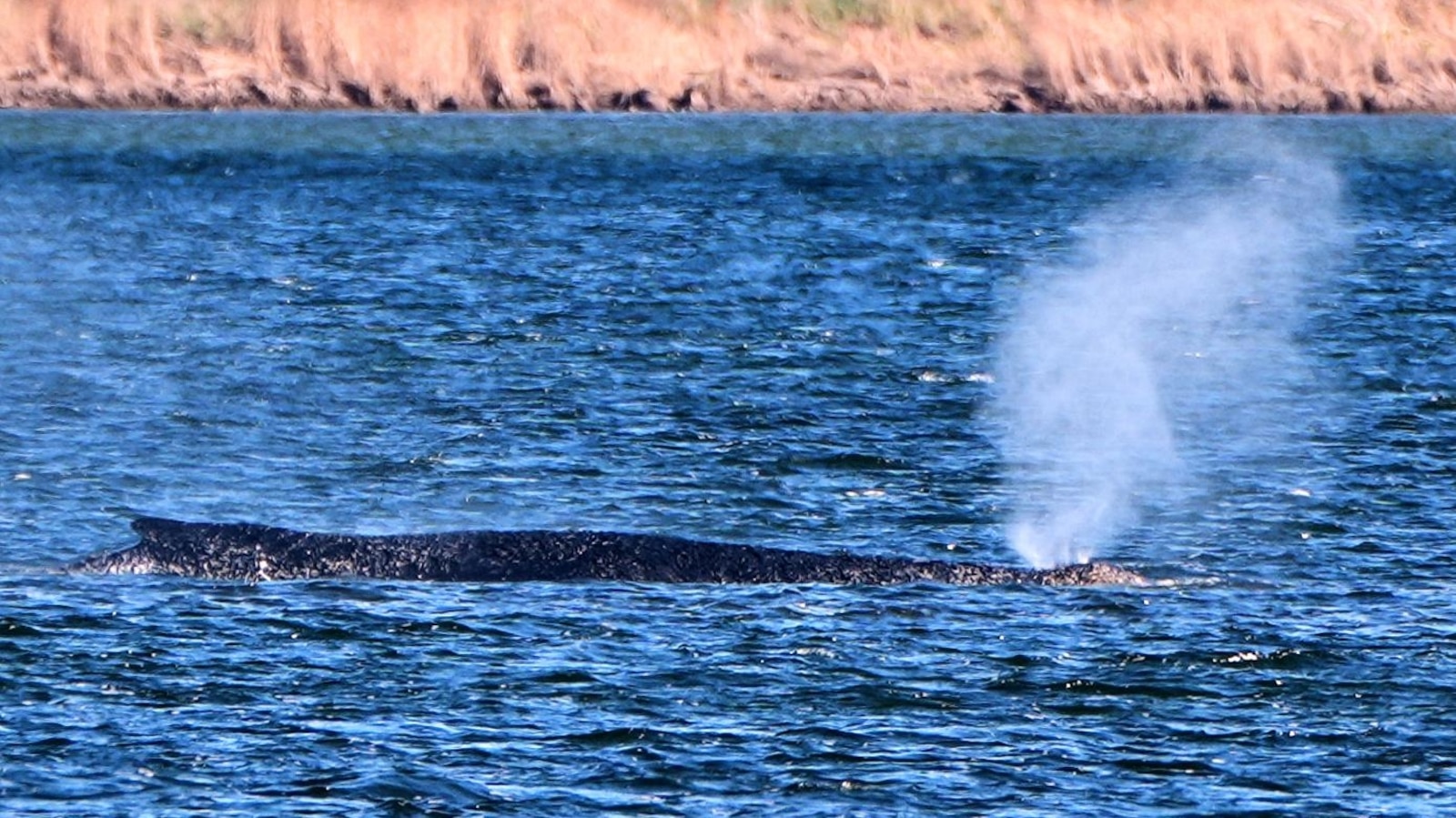
Rescuers in Germany have commenced a complex operation aimed at saving a sick humpback whale that has repeatedly become stranded off the Baltic Sea coast. The initiative, which began on Thursday, seeks to address the animal's deteriorating health and its recurrent beaching incidents. The whale, which has garnered significant public attention, is reportedly in poor condition, prompting the urgent intervention from environmental and rescue organizations.
The rescue plan involves the use of specialized air cushions to facilitate the whale's movement and potential re-flotation. This method is being employed due to the whale's large size and the delicate nature of its health, requiring careful handling to avoid further injury. The operation is a collaborative effort, bringing together various experts and resources to maximize the chances of a successful rescue and ensure the animal's welfare.
Background & Context
The humpback whale's repeated strandings have drawn considerable public and media interest across Germany and beyond. Its presence in the shallow waters of the Baltic Sea is unusual, as humpbacks typically prefer deeper ocean environments. This atypical behavior, coupled with the whale's visible distress, has elevated the situation to a high-profile environmental concern, prompting a swift and coordinated response from authorities and conservationists.
Key Developments
The rescue operation launched on Thursday involves a multi-pronged approach. Specialized equipment, including large air cushions, has been deployed to assist in maneuvering the whale. These cushions are designed to provide buoyancy and support, allowing rescuers to gently guide the animal back into deeper waters or to a location where its health can be further assessed and treated. The logistical challenges of moving such a large marine mammal in shallow coastal areas are significant, requiring precise coordination and expert knowledge.
Teams of marine biologists, veterinarians, and experienced rescue personnel are on site, monitoring the whale's vital signs and overall condition throughout the process. Their immediate goal is to stabilize the animal and prevent further physical stress. The repeated strandings suggest underlying health issues, which will need to be addressed if the rescue operation is successful in returning it to the open sea. The extensive resources committed underscore the gravity of the situation and the commitment to wildlife preservation.
Perspectives
The plight of the stranded humpback whale has evoked widespread public sympathy and concern, highlighting the broader issue of marine wildlife conservation. Environmental groups have emphasized the importance of such rescue efforts, not only for the individual animal but also as a demonstration of commitment to protecting vulnerable species. The incident also prompts discussions among experts regarding the potential causes of such strandings, including illness, navigational errors, or environmental factors, though no definitive cause has been publicly stated for this specific whale.
What to Watch
Ongoing monitoring of the whale's condition and the progress of the rescue operation will be crucial in the coming days. Observers will be watching for updates on the effectiveness of the air cushion method and any subsequent plans for the whale's long-term care or release. Further assessments by marine veterinarians will determine the extent of its illness and the viability of its return to the wild, making the next steps in its treatment and rehabilitation critical to its survival.
Found this story useful? Share it:
Sources (1)
Abcnews.com
"German rescuers plan to use air cushions to save Timmy the stranded whale"
April 16, 2026